
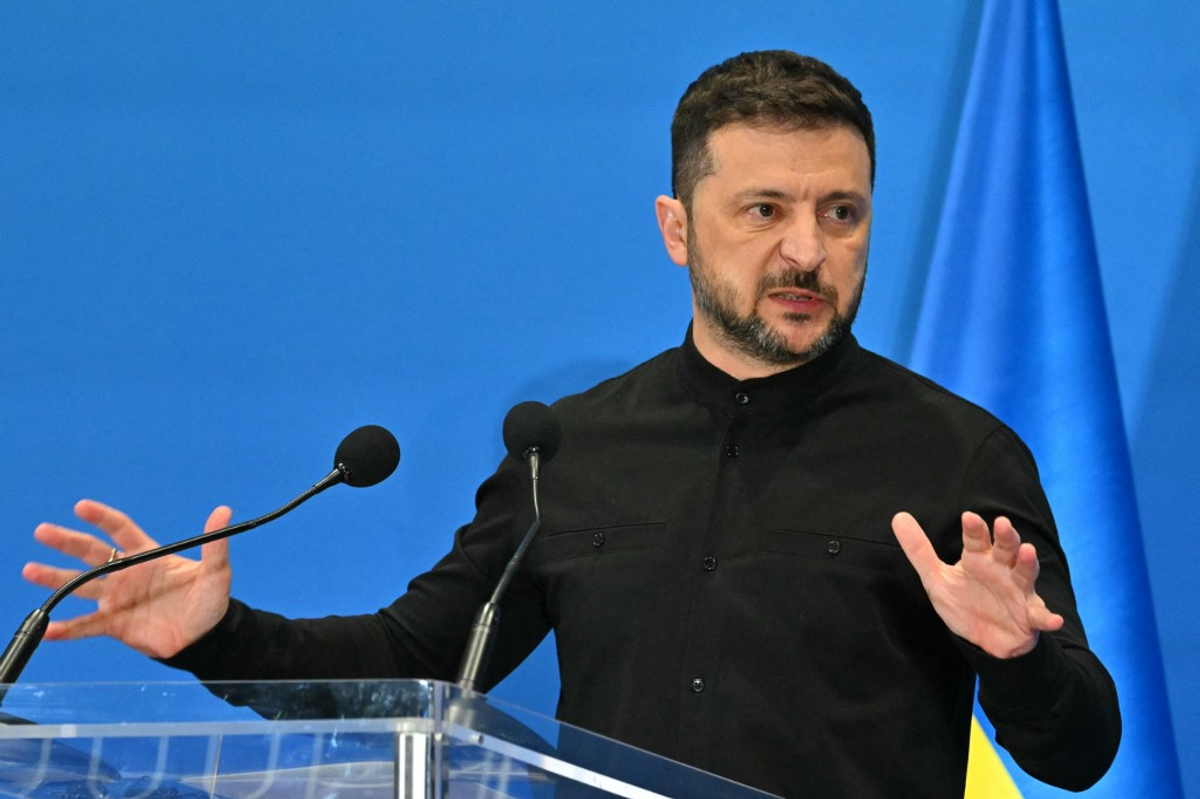
In a high-stakes meeting that could define the future of US-Ukraine relations, President Volodymyr Zelensky demonstrated a masterclass in diplomatic finesse. As the two leaders faced the press in the Oval Office, Zelensky appeared to have learned the unwritten rules of engaging with the unconventional US president.
According to Andrew D’Anieri, associate director of the Atlantic Council’s Eurasia Center, Zelensky “did really well.”
JOIN US ON TELEGRAM
Follow our coverage of the war on the @Kyivpost_official.
Speaking to Kyiv Post, D’Anieri praised the Ukrainian leader’s strategy, noting that he “let President Trump do most of the talking, which is always step one for success at these kinds of public press sprays.”
Zelensky’s strategic approach didn’t end there. He wisely thanked the US for its military support, but with a crucial caveat – he pointed out that European countries would be footing the bill. This move aligns with the Trump administration’s “America First” posture while still securing vital aid.
Perhaps most importantly, Zelensky chose his moments carefully, saving the nitty-gritty details for a private session with the US delegation.
As D’Anieri explained, this was a “savvy move this time around,” allowing Zelensky to get into the specifics of Ukraine’s conditions without airing them in a public forum.
In a political landscape where every public word is scrutinized, Zelensky’s performance was a testament to his evolving diplomatic skill. He secured a win for Ukraine while appearing to give the US president exactly what he wanted: a public display of support and a clear path for European nations to carry the financial burden.
Other Topics of Interest
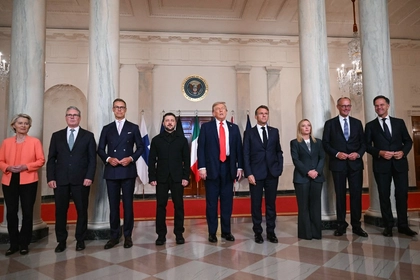
At the White House, Trump, Zelensky, and European leaders unite – with Russia now accepting Ukraine’s push for security guarantees, as discussions turn to “war lines” and possible concessions.