
Your support helps us to tell the story
From reproductive rights to climate change to Big Tech, The Independent is on the ground when the story is developing. Whether it’s investigating the financials of Elon Musk’s pro-Trump PAC or producing our latest documentary, ‘The A Word’, which shines a light on the American women fighting for reproductive rights, we know how important it is to parse out the facts from the messaging.
At such a critical moment in US history, we need reporters on the ground. Your donation allows us to keep sending journalists to speak to both sides of the story.
The Independent is trusted by Americans across the entire political spectrum. And unlike many other quality news outlets, we choose not to lock Americans out of our reporting and analysis with paywalls. We believe quality journalism should be available to everyone, paid for by those who can afford it.
Your support makes all the difference.Read more
President Donald Trump’s Iran war has reportedly cost the U.S. military about one-quarter of the drones that a top general recently likened to “the most valuable player” in America’s weapons lineup.
At least 45 MQ-9 Reaper drones have been shot down or crashed, leaving no more than 145 remaining in dwindling defense stockpiles, The Washington Post said Tuesday, citing three unidentified officials familiar with the matter.
Each drone costs from $30 million to $50 million, depending on its sensors and missiles, which puts the loss to taxpayers at more than $1.3 billion, the Post said.
The lost Reapers are among the weapons and munitions that have been used up by the Iran war and years of U.S. support for Ukraine’s defense against Russia.
The situation is reportedly limiting Trump’s military options as a key figure in Iran’s Islamic Revolutionary Guard Corps threatened this week to prolong the fighting until Trump leaves office.
In response to an inquiry from The Independent, a Pentagon spokesperson declined to comment, but a White House spokesperson denied any shortages.
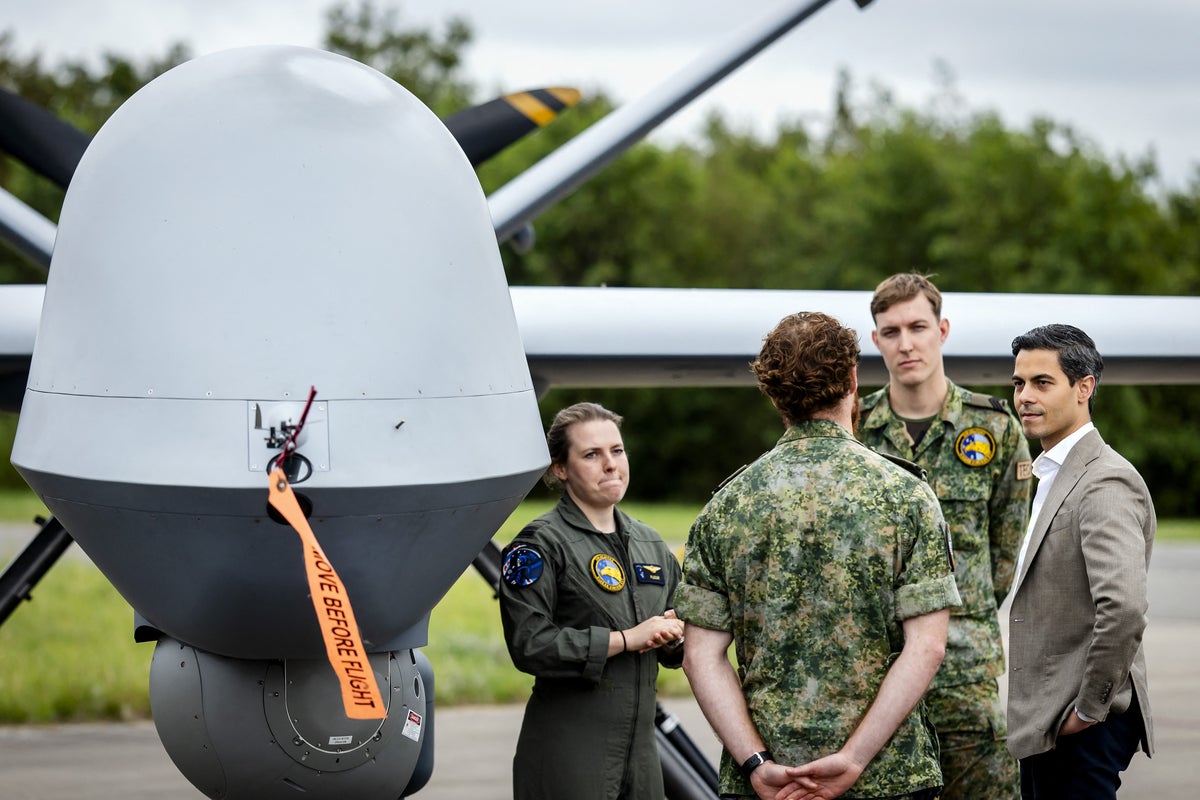
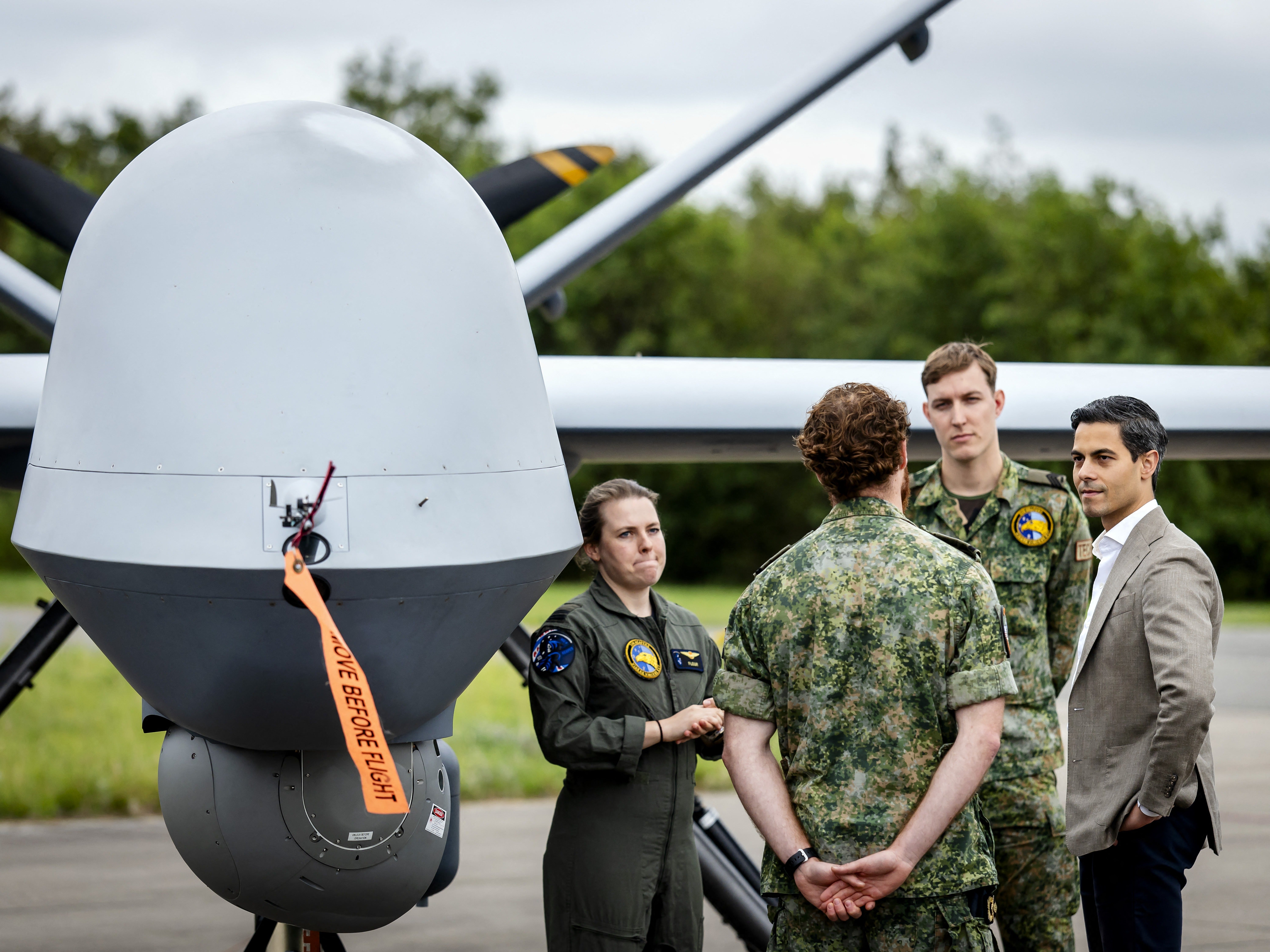 Dutch Prime Minister Rob Jetten, right, and three soldiers stand next to an MQ-9 Reaper drone at Leeuwarden Air Base in the Netherlands last month (AFP/Getty)
“The United States Military has more than enough munitions, ammo, and stockpiles to serve all of President Trump’s strategic goals and beyond, and Operation Epic Fury has exposed what happens when you mess with the United States,” spokesperson Anna Kelly said in a prepared statement.
Last week, the Post reported that Trump had angrily confronted Secretary of Defense Pete Hegseth about dwindling supplies of long-range missiles and interceptors, which the White House denied.
During May testimony to the House Armed Services Committee, General Kenneth Wilsbach, the Air Force chief of staff, credited Reapers with making “many, many strikes” against Iran, Air & Space Forces Magazine reported at the time.
“For Epic Fury, perhaps the most valuable player was unmanned: the MQ-9,” he said.
Wilsbach said that because Reapers are operated remotely, “we get a lot of utility out of them, and don’t put our folks at risk.”
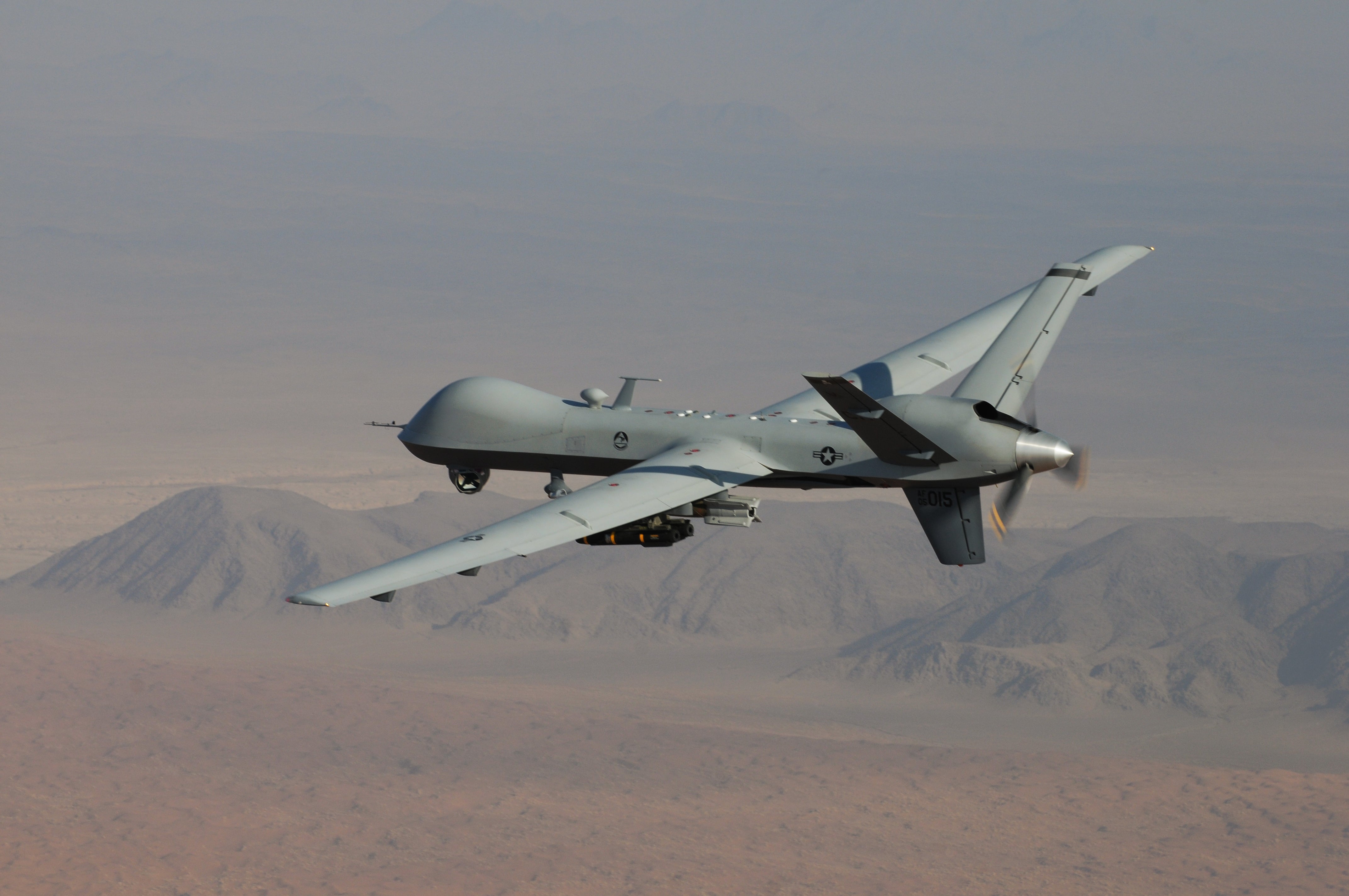 General Kenneth Wilsbach, the Air Force chief of staff, describes the Reaper as ‘perhaps the most valuable player’ in the war against Iran (Lt. Col. Leslie Pratt/US Air Force)
Before the February 28 start of the war, the military had a fleet of about 185 Reapers, divided between the Air Force, which had 165, and the Marines, which had 20, according to the Post.
Early last month, ABC News said Iran had shot down about 30 Reapers, citing an unidentified official.
An unidentified official told the Post that not all of the 45 lost Reapers were downed by Iran, with an unspecified number having crashed after losing contact with their operators.
Lieutenant General David Tabor, the Air Force deputy chief of staff for plans and programs, told a Senate subcommittee in May that about 135 Reapers remained in the Air Force fleet, and that officials were “concerned” about the attrition, the Air Force Times reported at the time.
Tabor also said the Air Force was “looking at options to buy back as many of the MQ-9As as we possibly can right now,” but reports didn’t make clear from whom they could be purchased.
Reaper manufacturer General Atomics Aeronautical Systems Inc. stopped producing the drones last year after the Air Force said it didn’t plan to buy any more, according to Air and Space Forces Magazine.