
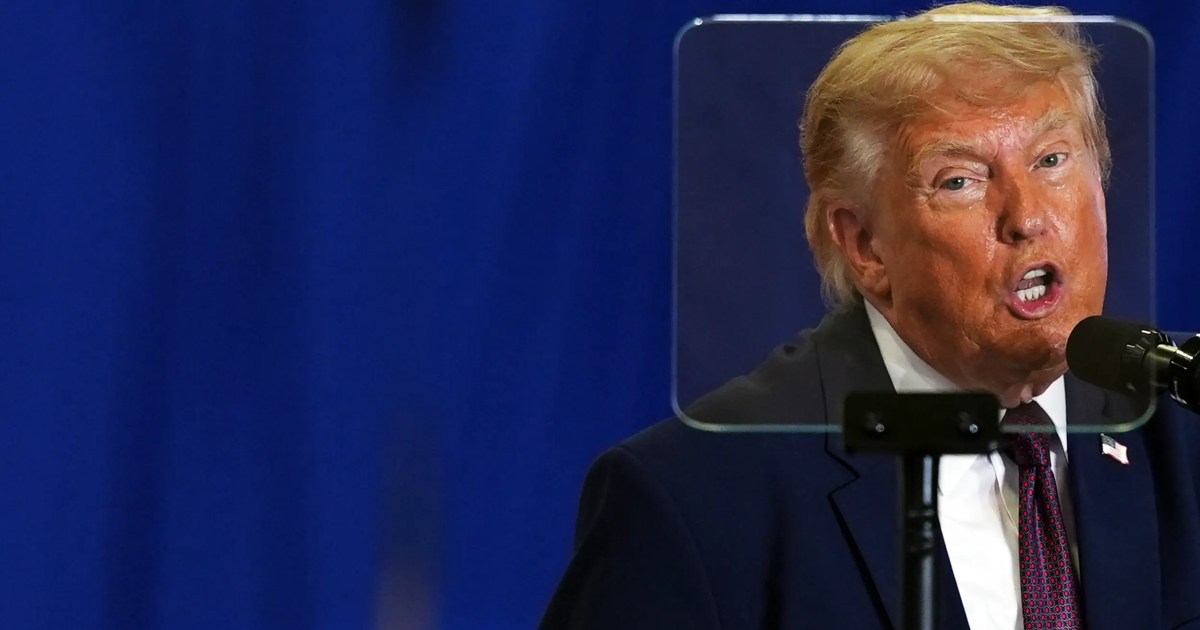
President Donald Trump thumped his chest about his purported dominance of Iran on Wednesday, boasting on Truth Social that “the U.S.A. has total control over the Strait of Hormuz,” and that “there is nothing Iran can do about it.” That’s because, he claimed, “they have no Navy, they have no Air Force, their remaining soldiers are unpaid, the IRGC is decimated and fleeing, and their ‘Leadership’ is uncertain, at best!”
You may not be surprised to hear that Trump’s swaggering declaration is nonsense. Maritime traffic through the Strait of Hormuz remains a fraction of what it was before the war precisely because the U.S. cannot guarantee safe passage for merchant vessels, and Iran’s missiles, drones and boats are still a threat.
Trump might have thought it was particularly important to peddle the fiction that he controls the war in light of news this week that Iran is looking as strong as it ever has.
Iran seems to be mastering asymmetrical warfare.
After attending a NATO summit in Turkey in July, Trump reportedly covertly sneaked off a legacy Air Force One aircraft and flew out instead in an alternate military aircraft due to a reported Iranian assassination threat. Notably, journalists and some White House staff members who boarded the plane were not notified that Trump had been removed and effectively flew out on a decoy plane, according to The Washington Post.
It isn’t unprecedented for presidents to fly in alternate aircraft or for the president’s location to be kept secret in light of an emergency. But the Post notes that Trump’s decision to deceive the public about his location — and not disclose it afterward — highlighted “the depth of concern that U.S. security officials had about his safety leaving Turkey amid hostilities with Iran.” This elaborate move clearly contradicts Trump’s narrative that Iran’s capabilities have been obliterated. And his declining to inform the public is likely precisely because he knew the whole maneuver made him look weak, and Iran fearsome.
Play
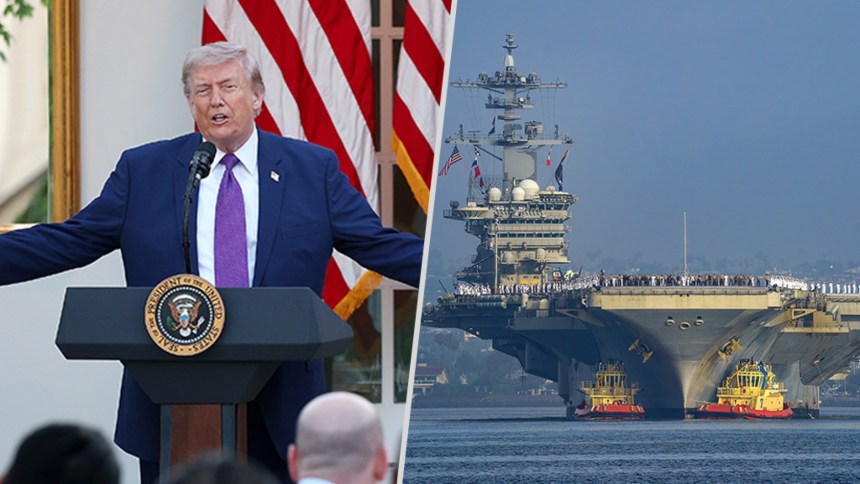
There’s increasing evidence that Iran is learning how to wear down U.S. munitions and break through defenses of U.S. bases in the Middle East. The New York Times published a report this week describing how Iran in July targeted three U.S. bases in Jordan for five days using advanced missiles. While almost all of the missiles were shot down, at least one broke through. Three U.S. soldiers were killed, more than 100 were injured, and several aircraft were damaged.

Zeeshan Aleem is a writer and editor for MS NOW. He primarily writes about politics and foreign policy.

© 2026 Versant Media, LLC
