
Government borrowing costs pushed higher on Monday as the interest rate demanded by the market on 30-year bonds rose to within a whisker of its highest in 27 years.
Thirty-year gilt yields — which move inversely to prices — climbed 0.05 percentage points to 5.61 per cent.
Continuing worries about government borrowing and stubborn inflation appear to have unsettled traders amid expectations that the base rate will not be cut any further for a while after the quarter-point reduction to 4 per cent on August 7.
The cost of 30-year borrowing is almost 1 percentage point higher than during the chaos under Liz Truss of October 2022, when the yield spiked to 4.78 per cent.
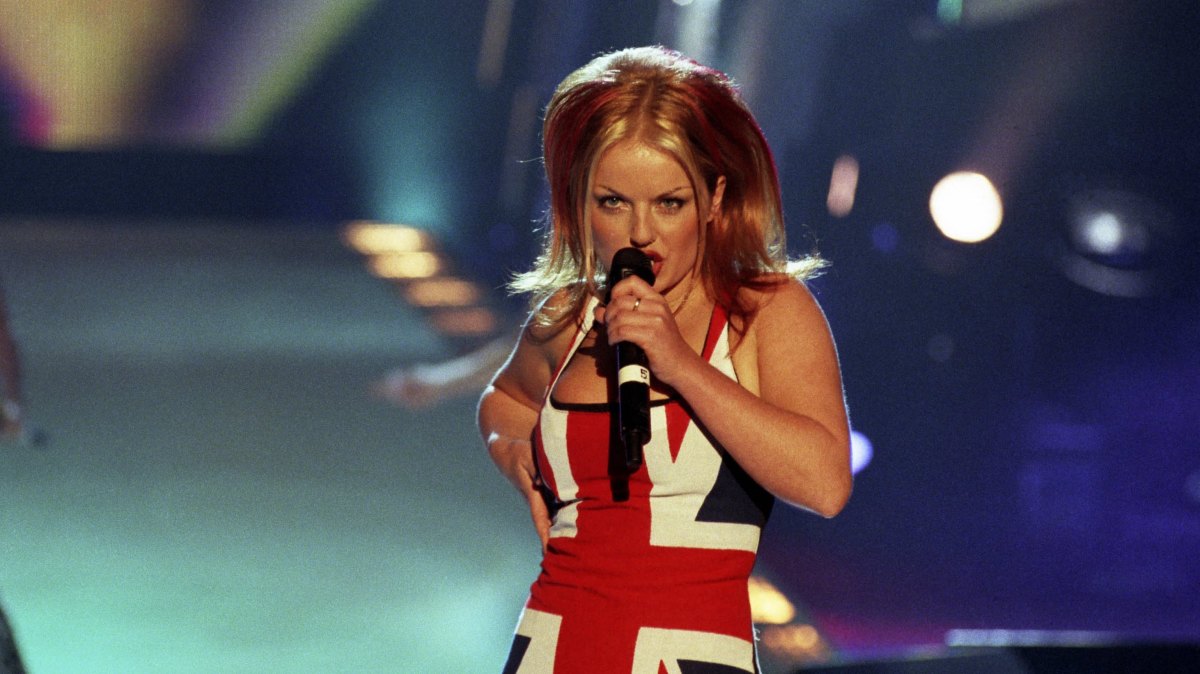
The yield on Monday was about the same level as reached in April, when President Trump’s “liberation day” tariff threats spooked markets. Before then, the yield was last at these levels in May 1998, when Geri Halliwell walked away from the Spice Girls.
Benchmark ten-year gilts were also sold off, pushing yields up by 0.05 percentage points to 4.74 per cent.
Traders will be closely watching the latest inflation figures on Wednesday. The consumer prices index is expected to edge higher from 3.6 per cent in June to 3.7 or 3.8 per cent in July. Then come the public finance figures for July on Thursday. Any disappointment there could weigh on bond market sentiment and shorten the odds still further on Rachel Reeves having to raise taxes in the autumn budget.
• What are bonds and gilts? The market explained
Simon French, chief economist at Panmure Liberum, said there was no obvious catalyst for the gilt market changes. However, the gradual closure of defined benefit pension funds — one of the biggest buyers of long-dated gilts — continued to shrink demand, he said.
The rising cost of 30-year government borrowing is less of a burden than it was because the Debt Management Office, which issues bonds on behalf of the Treasury, is shifting borrowing to shorter durations.
The rise in UK long-dated yields was in contrast to euro-area prices. The German 30-year bond yield was down 0.01 of a percentage point to 3.33 per cent, though still close to a 14-year high.