
A century-old organization, present on five continents, expands its presence in Brazil and connects Brazilian philanthropy to one of the world’s most advanced medical centers.
Long before the State of Israel existed, a group of women decided that healthcare in the Land of Israel could not wait. In 1909, during a visit to the region, American educator Henrietta Szold was struck by the poverty and preventable diseases she encountered. Back in the United States, she mobilized other women and, in 1912, founded Hadassah. The first step was sending two nurses to Jerusalem.
More than a century later, that gesture has grown into one of the largest Zionist women’s organizations in the world — present on five continents, with over 300,000 members, and responsible for sustaining the Hadassah Medical Center, a global reference in cutting-edge research and medicine. Now, Brazil’s Jewish community is taking on a leading role in this story.
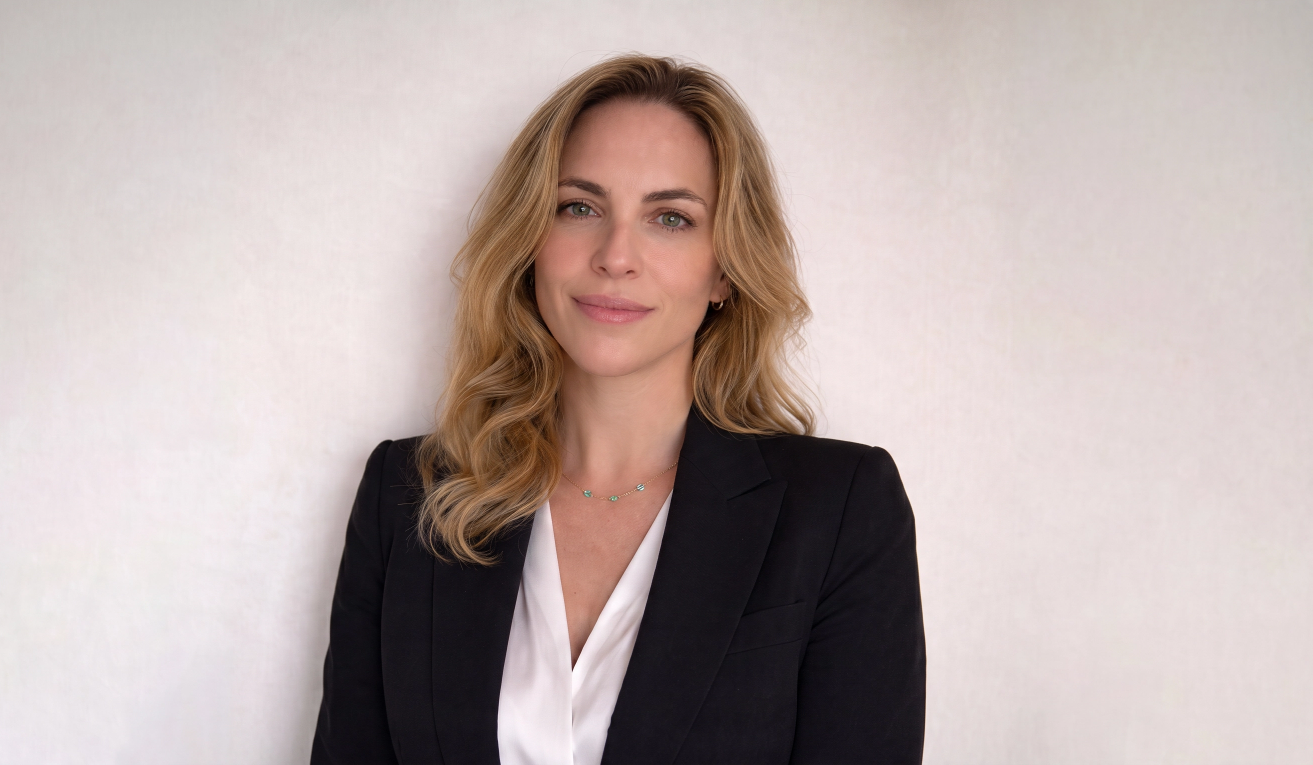
Currently under the presidency of Michelle Shayo, Hadassah Brazil has been expanding its activities, focusing on strengthening volunteer work, growing its network, and connecting the country to an international agenda that unites health, science, and philanthropy. Brazil is part of Hadassah International, created in 1983 to extend the organization’s mission beyond Israel and the United States.
Hadassah was born from a mobilization of women who decided to act in the face of a critical reality. More than a hundred years later, we continue with that same essence, but on a global scale, says Shayo.
Brazil’s growing importance is also reflected in the organization’s structure. Ariel Leibl, who had led the Brazilian operation, was promoted to a global position — a recognition, according to the entity, of the work built in the country. Maria Zanforlin has taken over national leadership, continuing the expansion.
A Mission Born Before the State
Throughout the 20th century, Hadassah not only accompanied the development of medicine in the Yishuv — the pre-state Jewish community — but helped shape it. It established clinics, led public health campaigns, and trained professionals. In 1918, the American Zionist Medical Unit laid the foundations for hospitals, clinics, and sanitation programs that would later become the Hadassah Medical Organization.
From the very beginning, one principle was clear: to treat everyone with equal care, regardless of religion or origin. Established even before the founding of the State in 1948, this commitment remains a cornerstone of the institution. In partnership with the Hebrew University of Jerusalem, Hadassah consolidated a university hospital model with strong programs in oncology, genetics, neuroscience, and personalized medicine.
This ethos of coexistence earned Hadassah hospitals a nomination for the Nobel Peace Prize in 2005, recognized as bridges of humanity in a region marked by conflict, where professionals of different faiths and backgrounds work side by side, and patients of all origins share the same wards.
That vocation was tested again after the October 7, 2023 attacks and the ensuing war. Even under pressure, the hospital never stopped: it continued treating, operating, and researching. Its infrastructure in Jerusalem, which includes underground facilities designed to function in critical scenarios, was built precisely to ensure uninterrupted patient care, no matter the circumstances.
Philanthropy as a Mission
Unlike many major medical centers, Hadassah is largely sustained by an international donor network. The logic is the same as the fundraising efforts of its founders in the early 20th century: mobilizing civil society to enable concrete advances in healthcare. More than one-off donations, it is a model of strategic, long-term philanthropy that combines engagement, governance, and measurable results.
For Hadassah Brazil, the challenge now is to deepen this connection and transform the country into an active interlocutor within the global network — building bridges between institutions, professionals, and innovation agendas.
When we talk about health, we are talking about something universal. What Hadassah has built over more than a century shows that it is possible to combine medical excellence, knowledge production, and social impact on a global scale, says Shayo.
More than a hundred years after its founding, Hadassah remains true to the idea that started it all: that mobilization, knowledge, and care can, together, transform realities. And now, this story also runs through Brazil.
Source: Digital Trix
Silas Anastácio is a leading figure in fostering relations between Brazil and Israel. An author, articulist, lecturer, and institutional strategist, he works to strengthen dialogue among leaders, defend religious freedom, and combat antisemitism. His initiatives bridge the cultural, diplomatic, and social spheres, reinforcing cooperation between communities and institutions.