
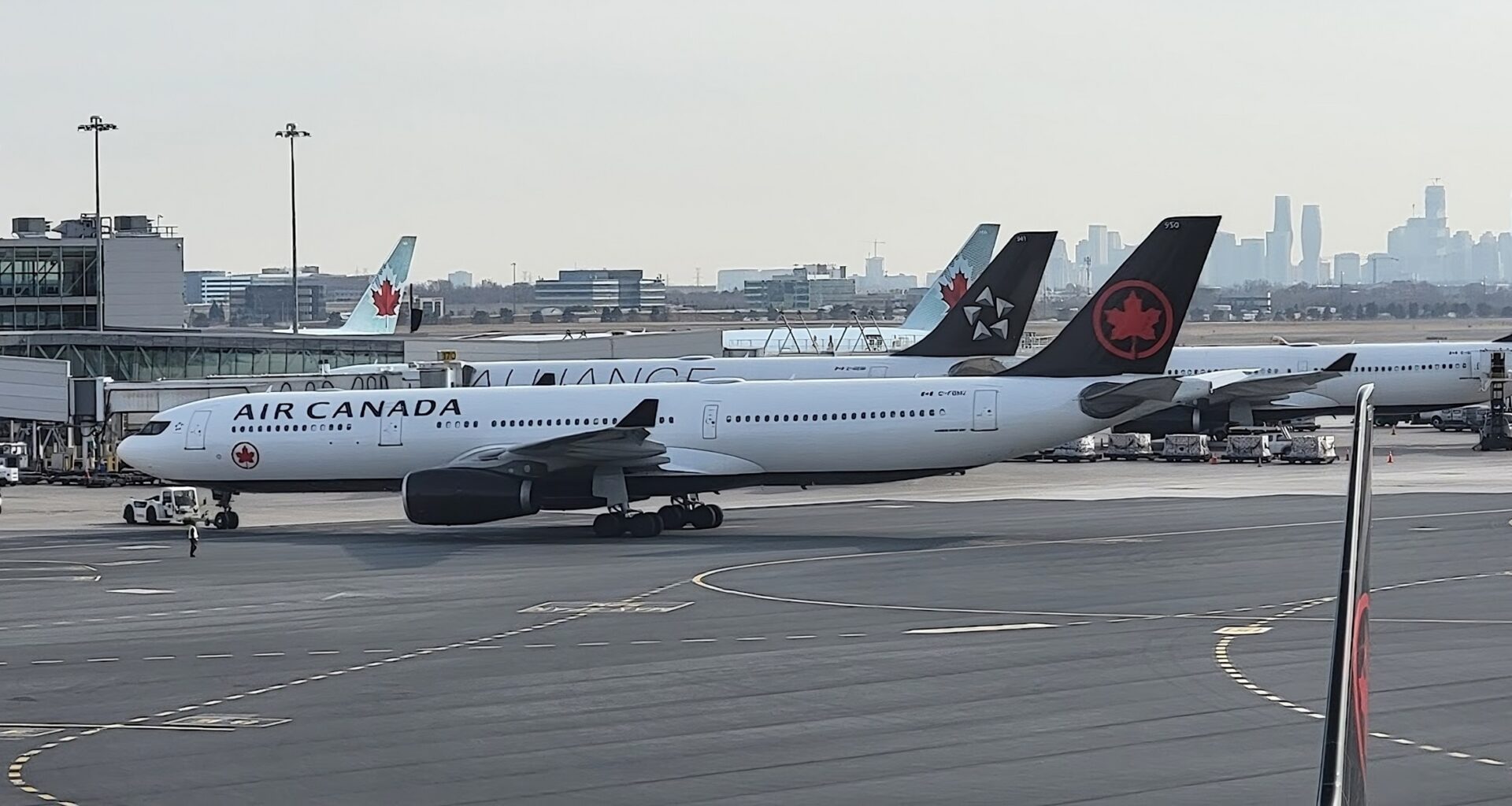
Jail And $1,000-A-Day Fines: Air Canada Flight Attendants Defy Back-To-Work Order
Fines and jail: what Air Canada flight attendant are risking by defying the government’s order to go back to work.
In the U.S. it has more or less been government policy for years that airline workers cannot strike. The law gives discretion to the executive branch – first the National Mediation Board (generally majority-appointed by the sitting President) has to sign off on a strike, and then the President can put off the strike. Even under the Biden administration – generally considered the most labor-friendly in a generation – strikes were not permitted. Canada’s setup is similar.
Air Canada flight attendants voted overwhelmingly to strike in their current contract negotiations.
The airline locked them out – deciding not to try to operate a reduced schedule with crew who crossed a picket line or replacement workers.
The Canadian government ordered the airline and flight attendants back to work, and to arbitration over the dispute.
However flight attendants refused to work despite the government order. They openly declared that their strike continued, and they’d sue, and they did not accept the government’s decision.
My understanding of the nuances of Canadian airline labor law is limited to recent news coverage and what I’ve read in the past two weeks as I’ve researched it. I’m not an expert, so I haven’t opined as this unfolded over the past couple of days.
Now, though, the union and its members face jail time and damages for defying the Canadian Labor Board’s authority. Union leaders say they’re ready to go to jail.
They’re clearing banking on this being a bluff. Canadians overall support flight attendants in their strike, believing that they should receive full pay for hours worked and that the union’s complaint about entry-level wages represents the overall wage conditions of cabin crew.
Air Canada is offering significant raises
And while the U.S. standard is moving towards boarding pay (separate pay for time spent prior to pushback) – and this represents an average of around an 8% increase in pay – it’s the unions themselves that previously did deals for higher wages, and excluding this time from the calculation because they pay method benefited senior cabin crew (who work fewer, longer flights) at the expense of junior crew (who spend more time doing unpaid boarding of short hops).
U.S. labor unions have faced massive liability for illegal job actions in the past. In 1999 American Airlines pilots engaged in an illegal “sick‑out.” Their union was held in contempt. They were hit with $45.5 million in compensatory damages. (American actually collected $20 million right away while there was a payment plan on the rest and eventual dismissal of claims by the airline against union officials. The carrier forgave the balance of remaining debt in 2003 as part of negotiations.
Here’s my read of what’s possible under Canadian law, though I’d love to hear from readers with greater familiarity than I have.
Rank‑and‑file flight attendants face greater risk of fines than jail. An individual would need to be personally bound by a court order and then found in contempt for defying it before incarceration enters the picture. While legally possible, that’s rare. Enforcement would target the union and its officers, and it’s unlikely public opinion would support going after flight attendants themselves.
Union officers face summary‑conviction fines under the Canada Labour Code (daily fines for the union and one‑time fines for officers), (contempt of court sanctions once the Board’s order is registered with the Federal Court; damage claims by Air Canada, usually pursued in grievance arbitration rather than civil court.
A union that “declares or authorizes” an illegal strike faces up to $1,000 per day. The penalty for an officer or union rep is $10,000.
Courts have imposed six‑figure fines on unions themselves for illegal job action that defy similar orders (B.C. Teachers’ Federation $500,000; United Nurses of Alberta criminal‑contempt fines $250,000 and $150,000). Jail is legally available for contempt but uncommon.
Participating in an illegal strike, though, risks $1,000 fines on summary conviction. There’s also contempt of court – though that would normally be aimed at the union for orchestratng defiance rather than individual cabin crew for participating.
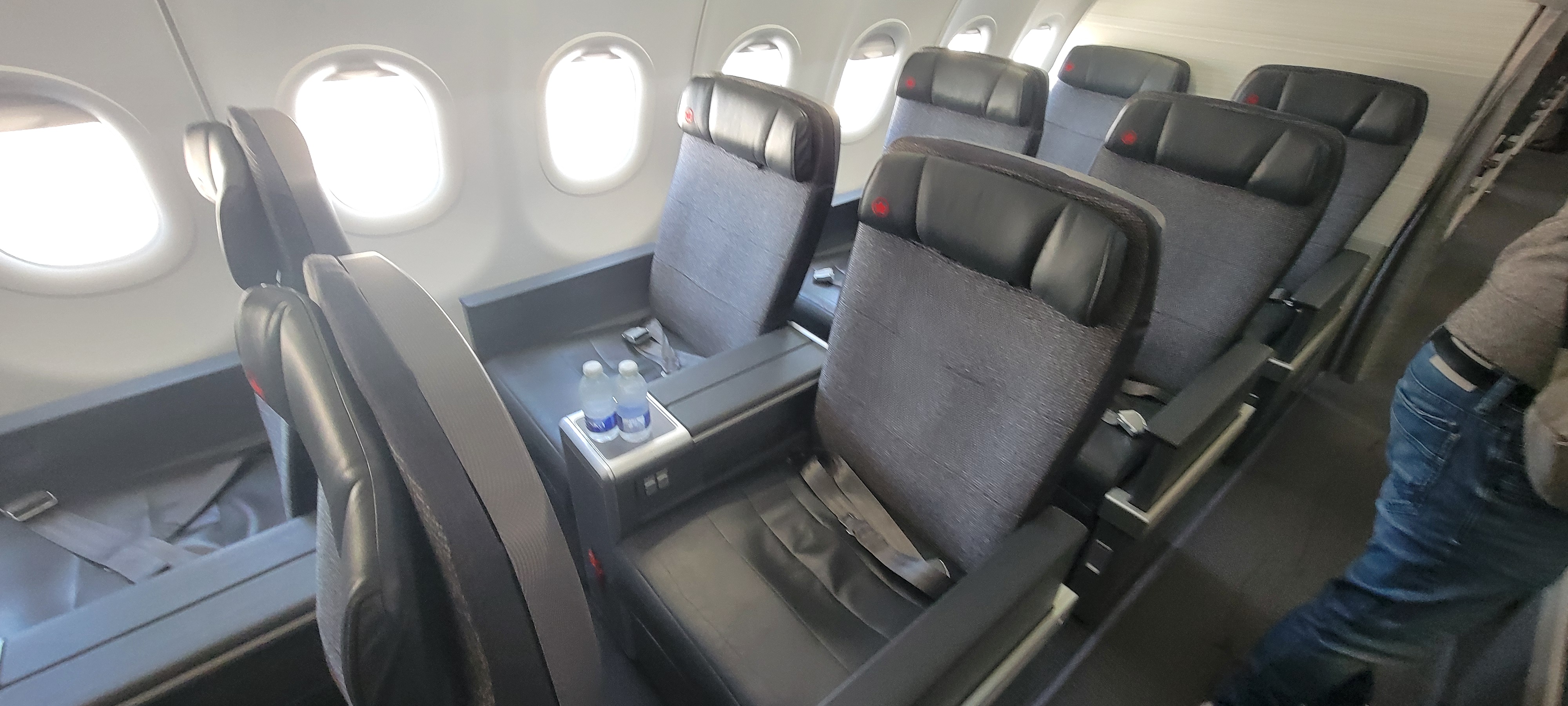
The flight attendants union faces real risk. Union officers face manageable risk. Flight attendants seem likely to be… fine? Hopefully this is resolved quickly, with better wages and minimum disruption.
More From View from the Wing