
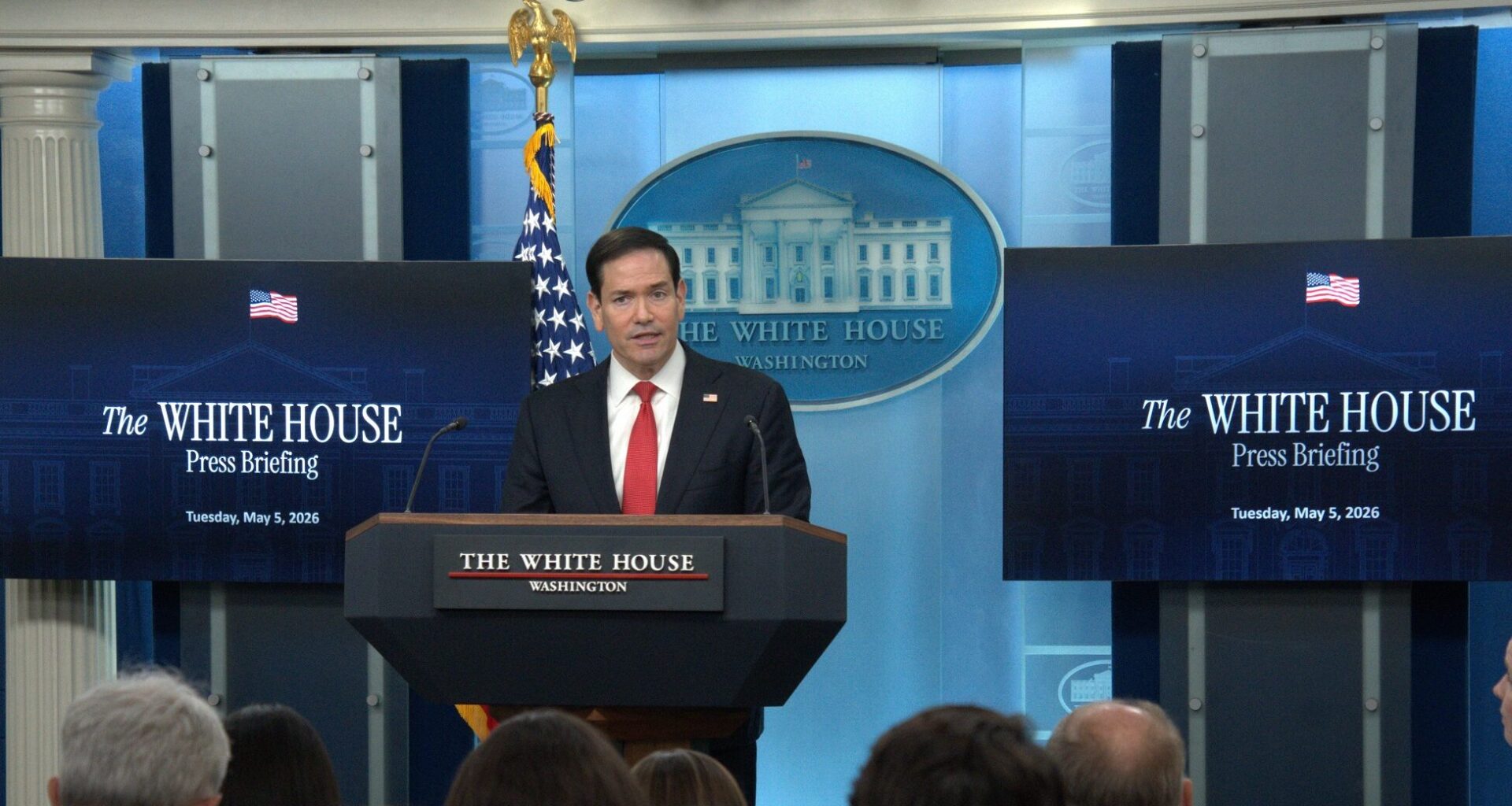
US Secretary of State Marco Rubio announced financial sanctions against International Criminal Court (ICC) President Tomoko Akane of Japan and ICC Senior Trial Lawyer Abdoulaye Seye of Senegal, expanding the Trump administration’s campaign against a court it accuses of improperly asserting jurisdiction over officials from countries that have not accepted its authority.
The measures freeze US assets, block financial transactions, and prevent Americans or entities connected to the US financial system from conducting business with the two officials. The administration has now sanctioned at least 11 ICC officials, including nine judges and the chief prosecutor.
Rubio accused the ICC of being “a corrupt and fatally politicized supranational court that has maliciously abused its authority and exceeded its mandate. We will not tolerate its assault on state sovereignty.”
The State Department said the court’s efforts to exercise jurisdiction over nonmember countries, including the United States and Israel, amount to “illegitimate judicial overreach” and pose a threat to national sovereignty.
The ICC rejected the US measures, saying it stands behind its personnel and that the sanctions “undermine the rule of law.”
Rubio has also pursued efforts to weaken the 125-member court and to encourage other countries to sever ties with it. In a July Wall Street Journal op-ed, he raised the prospect of US Border Patrol agents and elected officials being prosecuted by an international tribunal.
“If we stand idle, all of them will be at the mercy of foreign judges, thousands of miles away – facing the constant risk of prosecution and even imprisonment for the so-called ‘crime’ of defending their own country,” Rubio wrote.
Rubio has also criticized the ICC’s 2024 arrest warrants for Israeli Prime Minister Benjamin Netanyahu and former Defense Minister Yoav Gallant over alleged war crimes in Gaza.
Netanyahu welcomed the latest US action, accusing the ICC of disguising abuses of its authority as international law and praising Rubio for confronting what he called the court’s illegitimate overreach.
Human rights organizations have condemned the US sanctions, while legal challenges against the measures are proceeding in US courts.