
In Syria’s crowded skies, legitimacy matters less than radar range. Majdi Halabi examines why Israel is using the same military instrument—airstrikes—against Turkey’s expanding partnership with Damascus that it previously employed against Iran’s network of armed groups and irregular supply routes.
The distinction between the Turkish and Iranian models is substantial. Tehran worked through armed proxies, clandestine logistics and demographic pressure, weakening the Syrian state while operating across its territory. Ankara needs a functioning Syrian government through which it can provide air cover, train the new army and rehabilitate bases. Yet both models can restrict Israel’s freedom to operate overhead.
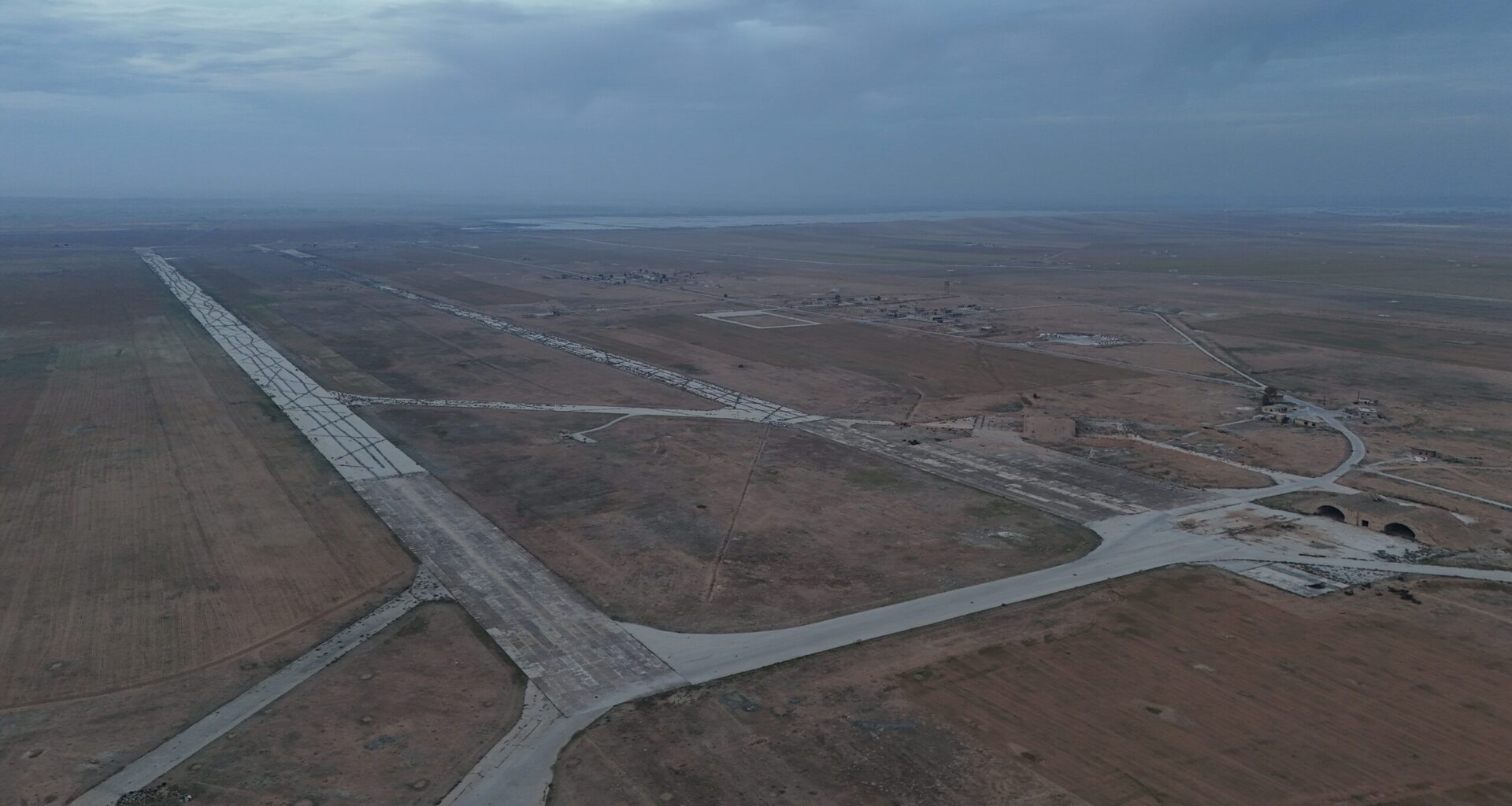
That calculation helps explain the attack on Abu al-Duhur shortly after a Turkish military delegation inspected a runway under repair. Similar strikes had already targeted Palmyra, T4 Airbase and Hama Military Airport. Israel was not destroying a completed military capability; it was preventing one from becoming operational.
Turkey is hardly acting out of charity. Ankara wants strategic depth, influence over the Kurdish question and opportunities for its defense industry. Its method differs from Tehran’s, but Damascus still pays much of the price. Turkey accumulates influence through formal partnership, while Iran gained it through penetration by armed groups.
The contradiction grows sharper because Syria and Israel are not formally at war. US-sponsored negotiations continue, including discussion of a security arrangement or renewed adherence to the 1974 disengagement framework. Damascus negotiates over sovereignty while Israeli aircraft demonstrate how little control it exercises over its own airspace. Washington’s criticism of the strikes has not translated into restraint.
A direct Turkish-Israeli confrontation remains unlikely. Turkey’s North Atlantic Treaty Organization membership, military deconfliction channels and preference for gradual expansion all discourage escalation. A grinding exchange of construction and destruction is more plausible, with Turkish-backed rehabilitation followed by periodic Israeli attacks.
The balance could shift if Turkey installs an operational air-defense system, abandons reconstruction or suffers military casualties. Halabi’s full column offers a sharp examination of the emerging contest and the uncomfortable reality at its center: Syria remains the arena, but it has little power to choose the players or set the rules.