
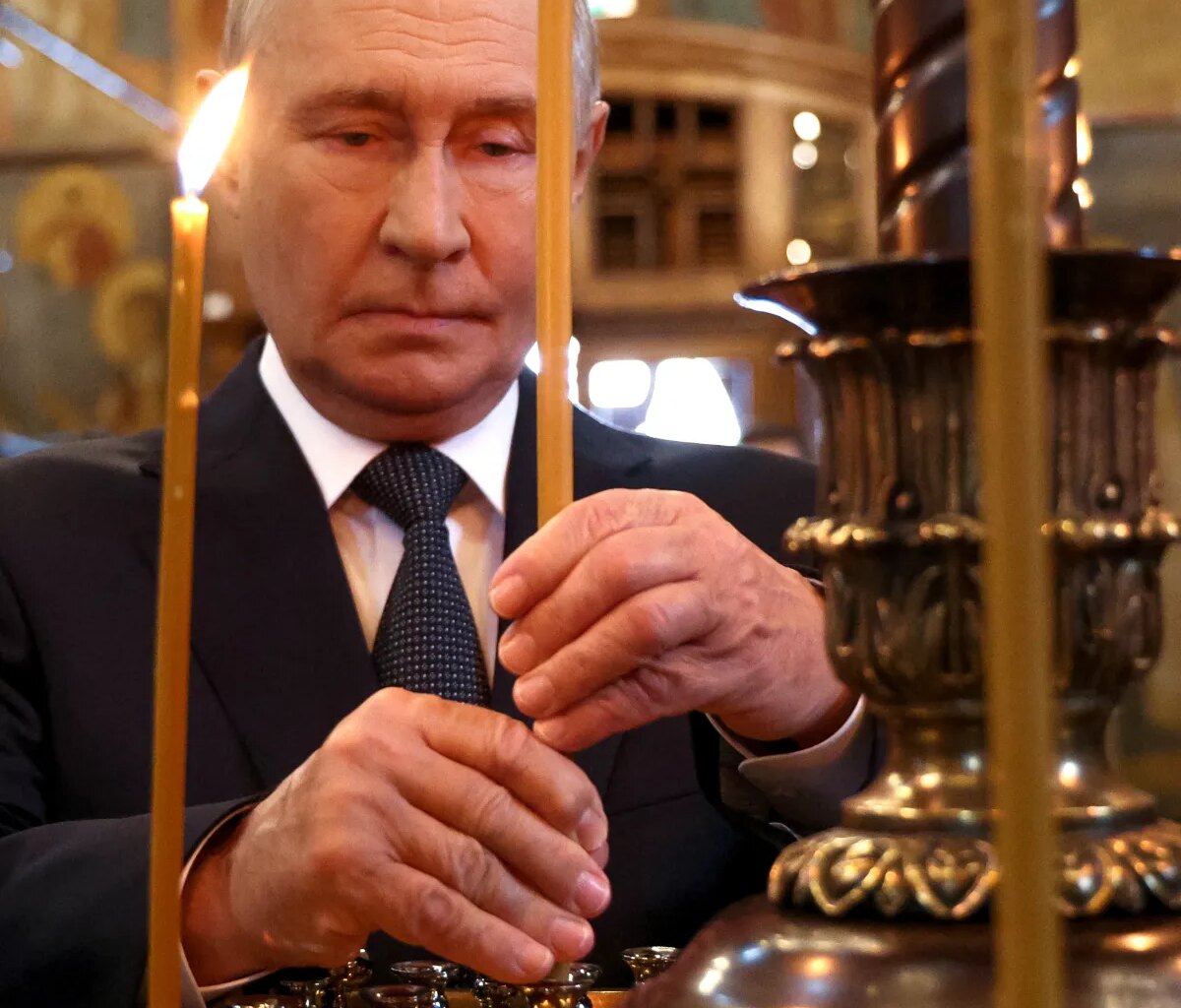
Vladimir Putin is struggling to quell growing unhappiness at the state of Russia’s economy left reeling by the war he started, a prominent Russian economist told Newsweek.
The Russian president accentuated the positive about nation’s economy during a speech to lawmakers Wednesday in which he said GDP growth of 1 percent was “modest,” even as the sanctions-hit country faces stubborn inflation and a growing labor shortage amid record military spending.
But repeated Ukrainian drone strikes on e-commerce retailer Wildberries, known as Russia’s Amazon, have choked deliveries of everything from clothing, electronics, groceries and household goods to millions of Russians.
Read More on News
Also, strikes on oil infrastructure have caused gasoline shortages, long lines and angry motorists fighting with each other to get to the pump, are proving hard for Putin to play down weeks before a parliamentary election.
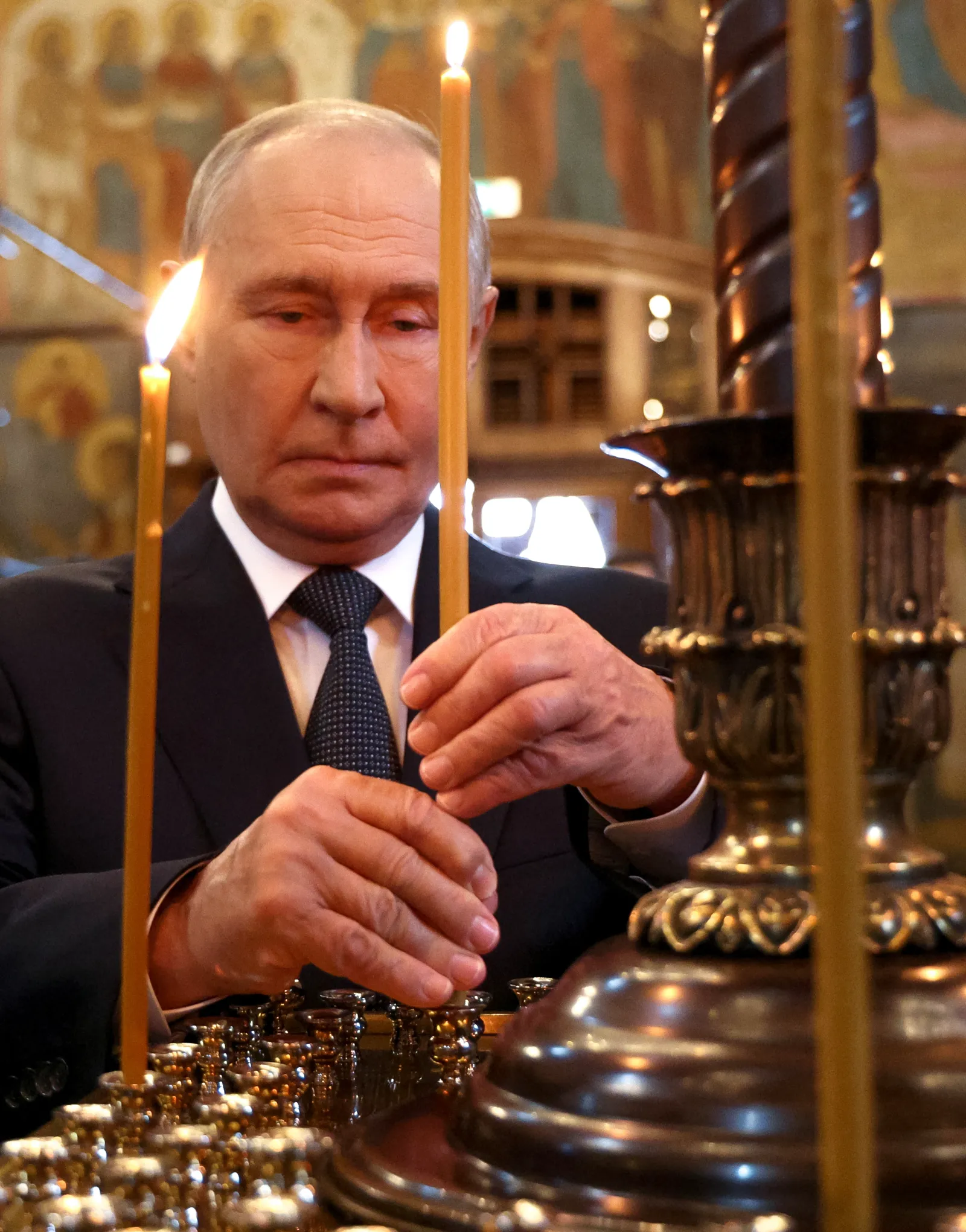
The worsening state of Russia’s economy is now a “liability” for Putin as he deals with the public and his officials, according to Sergei Guriev, who during his stint as rector at Moscow’s New Economic School (NES) between 2004 and 2013, was an informal adviser to ex-President Dmitry Medvedev and also sat on Russian government advisory boards.
He is now the dean of London Business School and, as a critic of the Kremlin, was placed on a Russian government wanted list in 2023.
“This is all very hard to conceal now. State media doesn’t report as much as you would think about all those problems, but Putin already has to talk about this,” he told Newsweek. “Putin now has to say ‘yes, we have hits and impacts and explosions, but it’s all under control’—this is very costly for him.”
Pressure on Putin Ahead of Election
September’s Duma elections will be tightly controlled in favor of the ruling United Party, but they take place amid war fatigue throughout the country reeling from the battlefield deaths of 450,000 Russian troops since Moscow invaded Ukraine on February 24, 2022, according to the Center for Strategic and International Studies (CSIS) think tank—roughly the population of the Russian city of Kursk.
This week, Russia’s Supreme Court rejected an appeal by the anti-war party Yabloko against a ban on it taking part in September’s choreographed election that Guriev said is “a very strong signal that Putin’s worried.”
“His message ahead of this election is, ‘we’ll get through it, it’s very important not to lose this war,’” Guriev said. “He will say ‘the whole West is against us, so we need to defend Donbas.’ But the biggest uncertainty is whether he’s waiting for the elections to run a new draft afterwards.
“To what extent will there be tangible civil unrest, we don’t know because Russia has a lot of cops, but everybody knows it’s going to be unpopular and that’s why it’s not been done since 2022.”
The Kremlin has rejected reports that Putin is planning a post-election mobilization drive to replenish the losses in Ukraine. Lawmakers in the State Duma have also raised a mobilization-based economic model that was criticized by a Putin ally, Moscow Mayor Sergei Sobyanin, who said it could “kill the country altogether.”
“That was a very interesting statement in public,” said Guriev, noting how German Gref, the head of Russia’s biggest bank, Sberbank, has also repeatedly warned of the country’s stagnating wartime economy. “Probably they speak openly because they cannot get to Putin and talk to Putin in a closed-door setting. There is some split at the very top.”
Andrei Klepach, chief economist at the Russian state development bank VEB, was fired for his unvarnished view of the Russian economy when reports emerged that he said in May that the country is falling behind not only China and the United States, but also to Ukraine, which gets financial support from the West.
“Putin doesn’t like the fact that somebody working for the government says ‘we are on the wrong track,’” Guriev said.
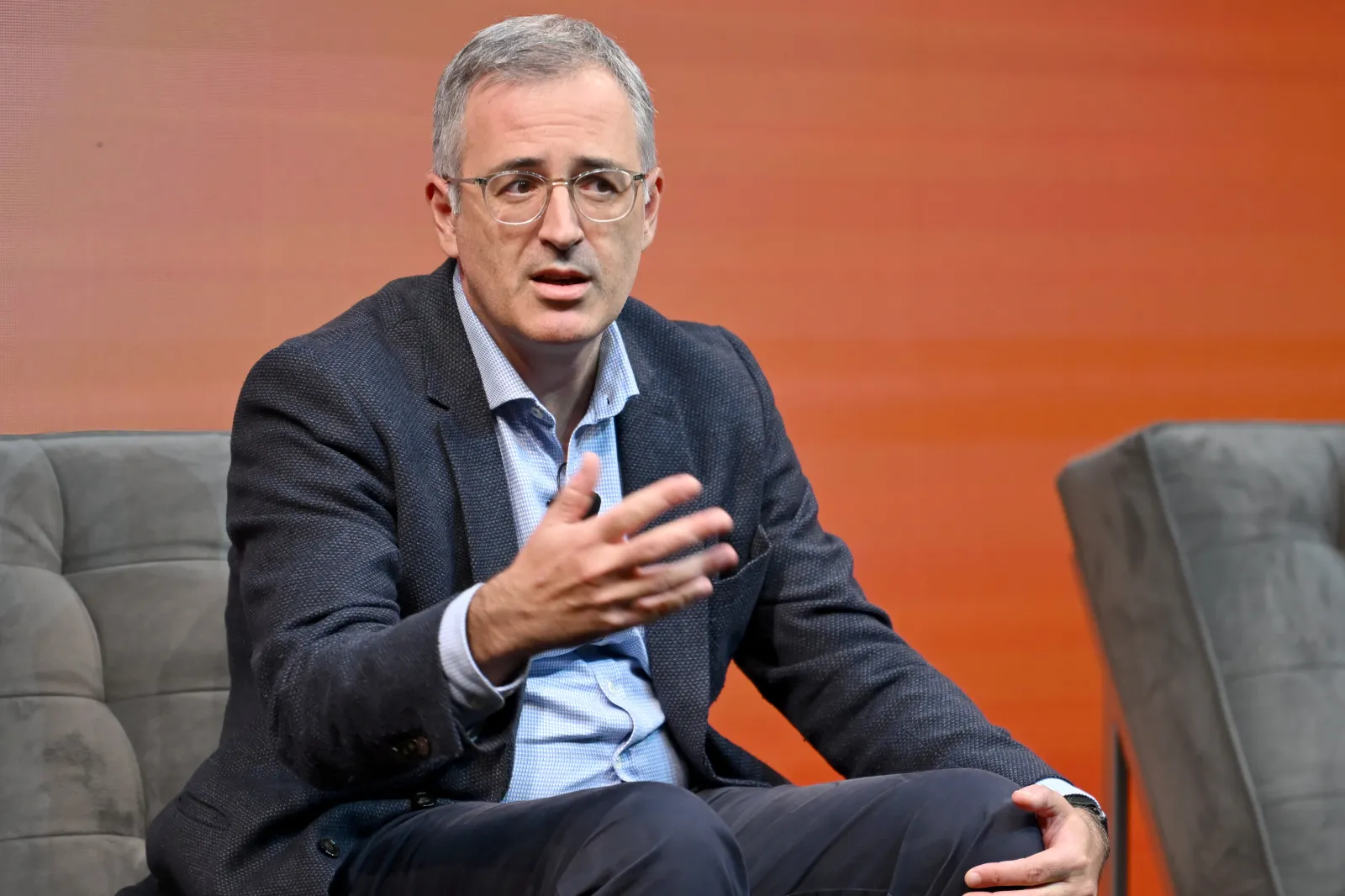
Such negative talk might undermine the image that Putin wants to present to U.S. President Donald Trump that Moscow is winning.
“Putin’s calculus now is he will get something else from Trump—he believes that time is on his side,” Guriev said. “He believes Ukrainians will not survive next winter.”
But ahead of the winter is the prospect of more unrest throughout Russia as the gas shortages continue to bite. There were reports this week that Russian National Guard (Rosgvardia) troops have been deployed to gas stations.
Meanwhile, the Institute for the Study of War said Putin’s comments this week shows him prioritizing quality-of-life issues for Russian citizens, even as the Kremlin readies society to make more sacrifices for his war.
“Russia cannot win the war of attrition against the West,” Guriev said. “Putin’s take on this is, ‘yes, the Western economy is bigger, but the West is soft, and Western citizens are not prepared for hardship—Russians are prepared for hardship.’”
Contact Newsweek editors on this story: Matthew Cannon and Dave Siminoff.