
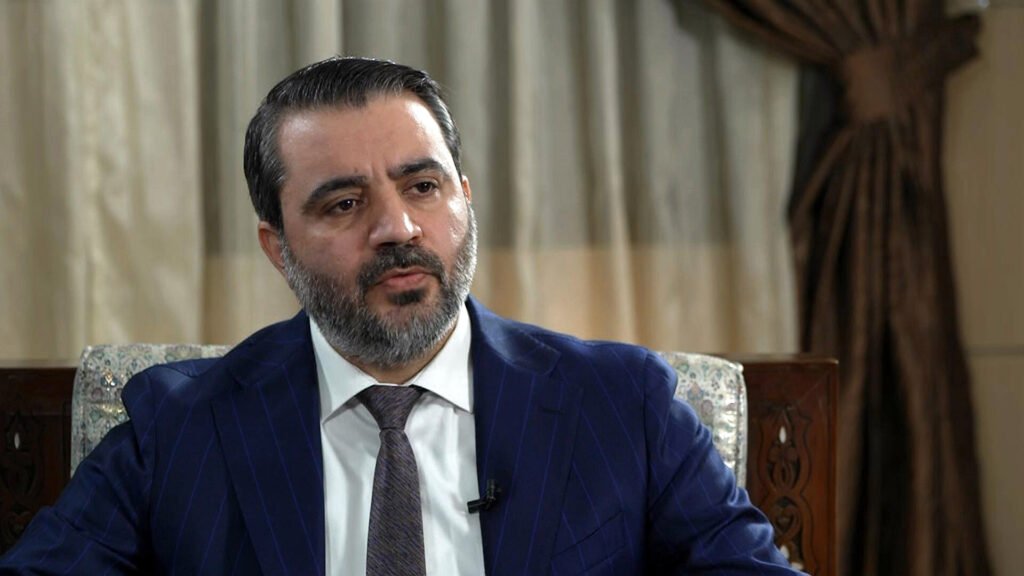
De-escalation meeting in Jordan
Axios said the meeting took place in Jordan, and it came days after Israeli warplanes dropped at least eight bombs on runways and hangars at the base, about 72 km from the Turkish border.
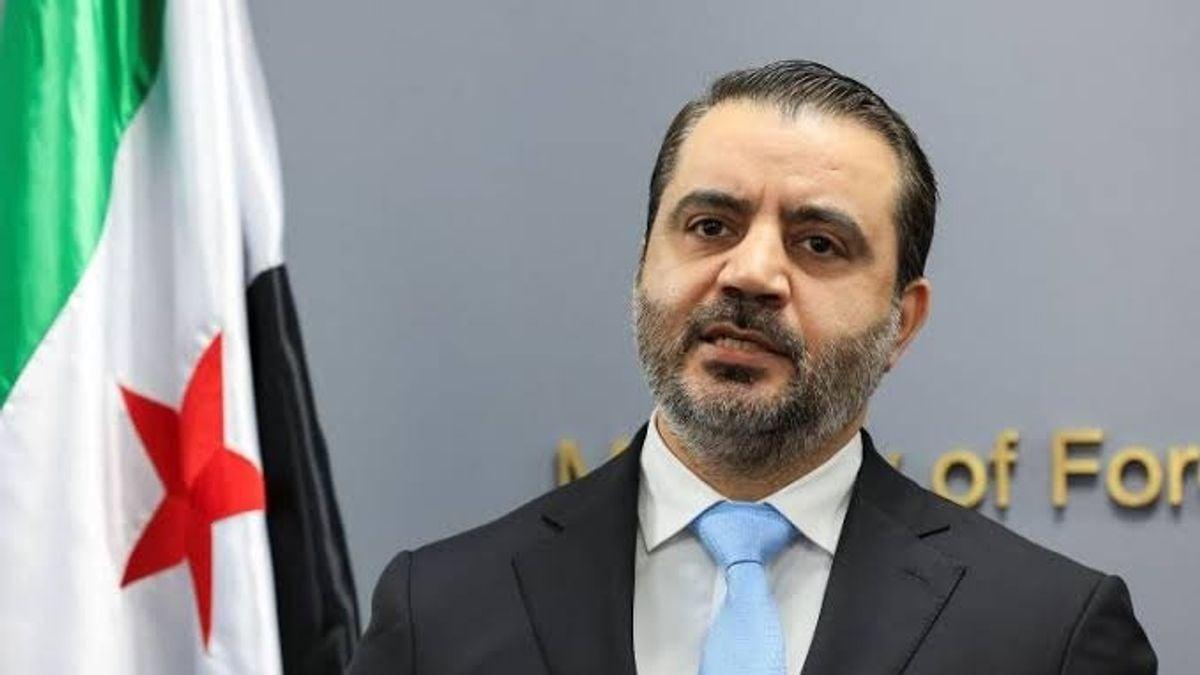
 Aajil
AajilThe Reuters account of the same period said Syria expected negotiations to resume soon with Israel over a security deal that Syria hopes will lead to Israel’s withdrawal from Syrian land, with contact cut after the airbase strike.
In Damascus on Saturday, Asaad al-Shaibani told Reuters that “We believe there should be contact, especially with a party that constantly threatens the security of Syria,” while also stressing Damascus’ priority to halt Israeli attacks.
Reuters also reported that the U.S. has been seeking a security deal between Israel and the government of Syrian President Ahmed al-Sharaa for over a year, but that it has proven elusive as Israel sent troops into Syrian territory and attacked government assets.
Trust, warnings, and disputed motives
Asaad al-Shaibani told Reuters that “We do not trust Israel currently,” framing Syria’s position around the need for confidence-building steps before diplomacy can advance.
The Jerusalem Post said a source familiar with the Sunday meeting told the outlet it “went well,” and it identified the attendees as Mossad chief Roman Gofman and Syrian Foreign Minister Asaad al-Shaibani.

In the same Reuters reporting, the Syrian foreign minister said negotiations over the security agreement had been frozen since the start of the Iran war and that contact between Syria and Israel was cut after the airbase strike.
The Jerusalem Post also reported that two sources told the paper on Saturday that the strike was intended to prevent the placement of a Turkish radar and air defense system, while a spokesperson from Prime Minister Benjamin Netanyahu’s office claimed Syria “chose to ignore” warnings from Israel.
Reuters added that the Israeli prime minister’s office did not respond to a request for comment about the Sunday meeting, and it said a spokesperson for Al-Shaibani did not immediately respond to a request for comment.
What’s at stake next
The AP report cited Tom Barrack, the U.S. special envoy to Syria, saying Israel did not warn the United States before it struck the Abu Duhur base, and Barrack said the attack could have been Israel “baiting the Turks … that was the serious and worrying part.”
Barrack told AP that the Abu Duhur base lies around 80 kilometers (50 miles) east of the Turkish border, and he described how Turkey’s response could be triggered when Turkish forces see jets coming toward the border without knowing their purpose.
Reuters said Washington was working to establish a mechanism to prevent conflict among Israel, Turkey and Syria, but that Asaad al-Shaibani said there was no agreement yet on the mechanism and that it must stop attacks rather than “entrenching … Israeli occupation.”
In the Reuters interview, Asaad al-Shaibani also said Syria conveyed to Israel that Abu al-Duhur would not be a Turkish base, but that Israel bombed the airbase even after that message, while Syria said it draws on Turkish support in military training and cooperation.