
Emilie Reuchlin was just 6 years old when a visit to a seal rescue center in the Netherlands changed the course of her life. Faced with an orphaned pup the center didn’t have room to save, the Dutch schoolgirl made a quiet, fierce vow: she would devote her life to protecting the creatures of the sea.
That vow has carried her from childhood advocacy to the front lines of marine conservation.
By age 9, Reuchlin had a paper route and every bit of her earnings went to nonprofits protecting marine life. Driven by “a deep sense of justice,” she studied political science to understand who holds power and how environmental decisions are made, then went on to earn degrees in environmental science and marine biology. Her interdisciplinary training has fueled nearly two decades of advocacy for the North Sea.
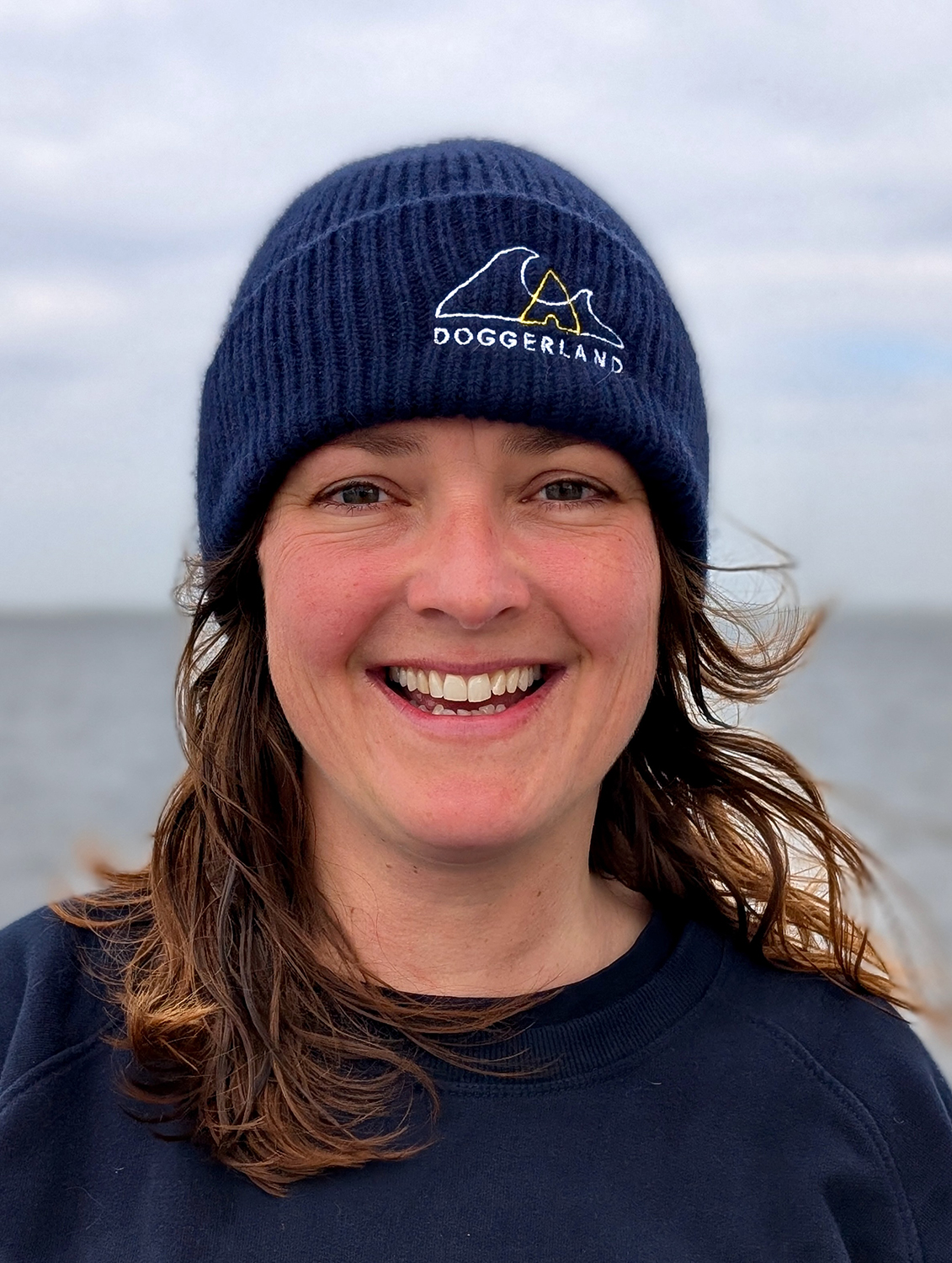
Since 2022, Reuchlin has co-led the nonprofit Doggerland Foundation, which she co-founded with environmental lawyer Thomas Rammelt to restore nature and biodiversity in the North Sea region – especially the Dogger Bank, a nutrient-rich submerged sandbank she calls “the ecological heart of the North Sea.” This vital habitat and marine life spawning ground lies at the center of one of Europe’s most industrialized and overexploited marine regions.
In recognition of her advocacy for the North Sea, Reuchlin was selected as the 2025 winner of Stanford University’s highest environmental prize, the Bright Award for Environmental Sustainability. The annual award was established by a gift from Stanford Law School alumnus and lifelong conservationist Raymond E. Bright, JD ’59, who passed away in 2011. The winner is selected annually from one of 10 rotating regions worldwide based on recommendations from regional consultants and a nominating committee composed of Stanford Law students and faculty members, including Barton H. Thompson, Jr., the Robert E. Paradise Professor in Natural Resources Law, senior fellow at the Woods Institute for the Environment, and a professor in the Doerr School of Sustainability.
Reuchlin will receive the award at an Oct. 8, 2025, ceremony at Stanford Law School.
“Emilie exemplifies the kind of bold, wide-ranging thinking the Bright Award was created to honor,” said George Triantis, JSD ’89, the Richard E. Lang Professor of Law and Dean of Stanford Law School. “She brings together legal action, scientific expertise, and a deep commitment to giving nature a voice. We are delighted to present her with the Bright Award in recognition of her efforts to protect and restore the North Sea’s fragile ecosystems and to push for meaningful, enforceable conservation.”
Restoration, resistance, and representation
For Reuchlin, reimagining humans’ relationship with the natural world means more than preserving what’s left – it means actively restoring what’s been lost, holding governments accountable to the laws they’ve made, and ensuring that the “voices of ecosystems” are considered in the decisions that shape their future.
Although the Dutch, German, and U.K. governments each designated their sections of the Dogger Bank as marine protected areas starting in 2007, the protections have proved weak, Reuchlin said. Bottom trawling, oil and gas drilling, shipping, cable-laying, and other industrial activities have continued virtually unchecked, she said. “The North Sea has been treated like an industrial wasteland. We’re supposed to have protections, but in reality, we’ve been fighting for years just to enforce the bare minimum.”
+1
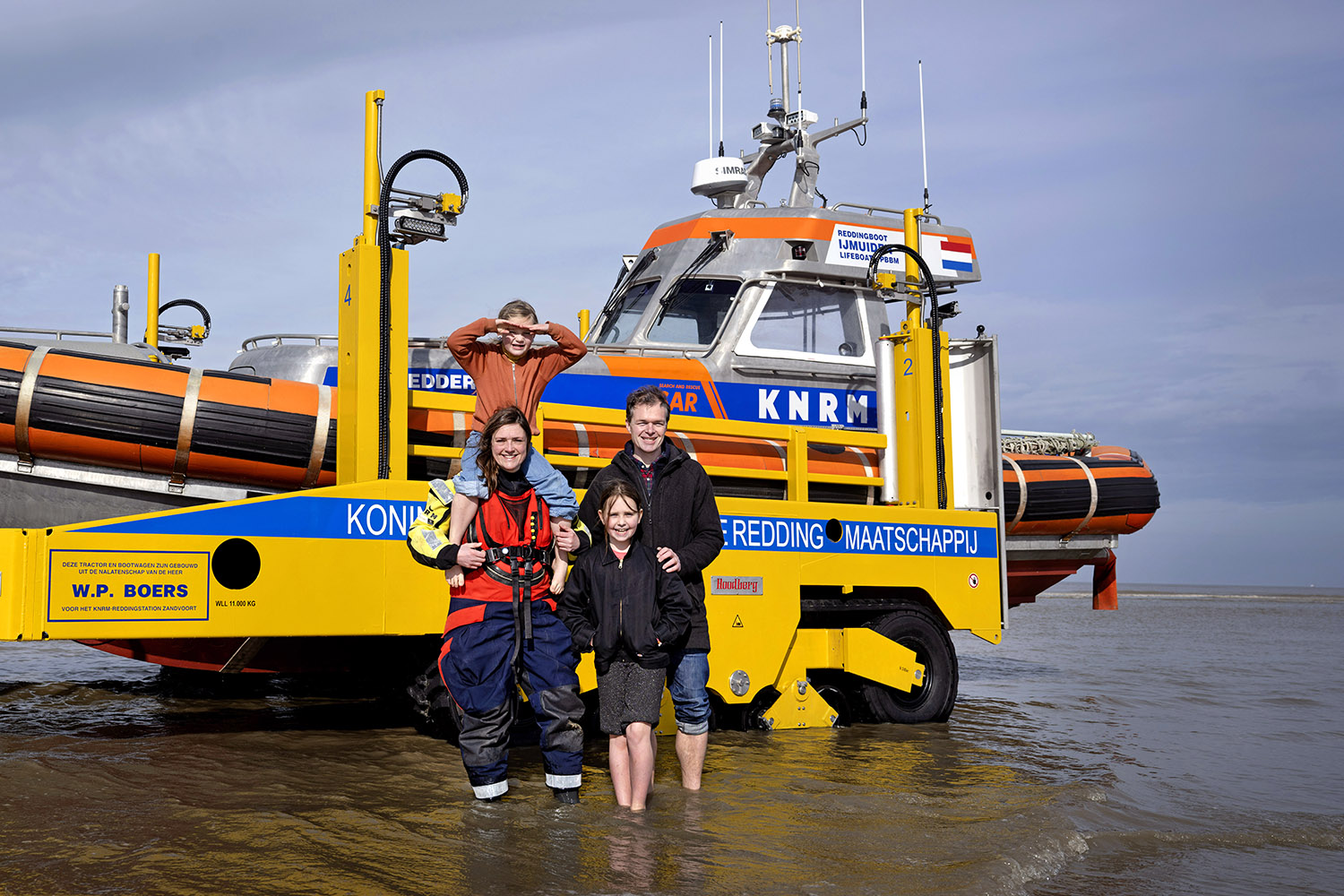
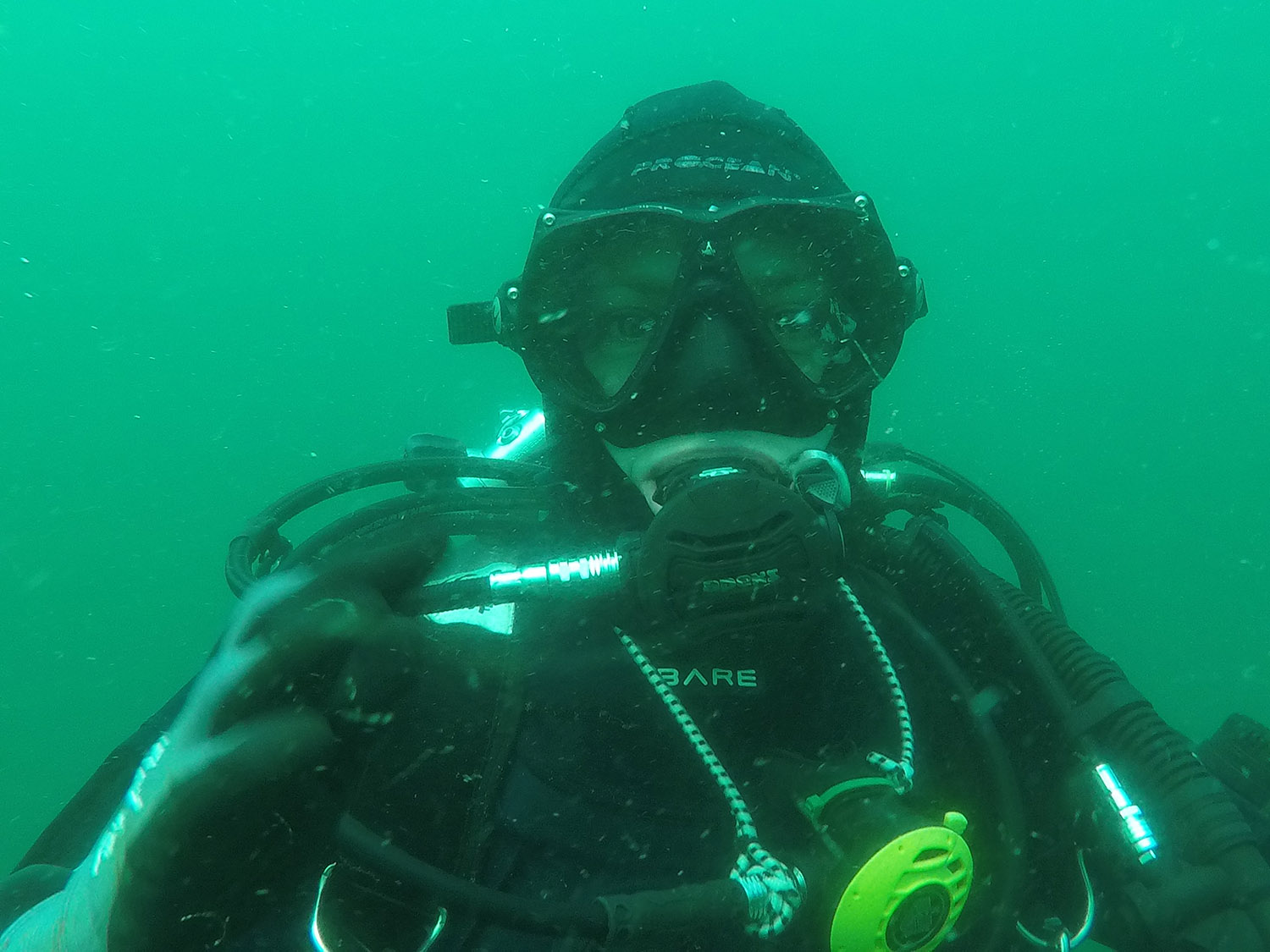
Courtesy Doggerland Foundation
In recent years, the Doggerland Foundation has successfully pushed back against plans to construct a massive offshore energy platform on the Dogger Bank and partnered with U.K.-based conservation groups to help end trawling by the United Kingdom. Through its “Guard the Red Line” strategy, the foundation is also pressing the Dutch government to enforce protections more fully. It has filed lawsuits demanding the closure of the entire Dutch portion of the Dogger Bank to bottom trawling and other industrial activities. A major case set for this fall in Amsterdam challenges the government’s marine protected area management plans – plans that, according to Reuchlin, disregard scientific evidence and allow continued damage within supposedly protected zones.
But litigation alone isn’t enough, she added. “We don’t want to just do damage control. We need to unleash nature’s potential.”
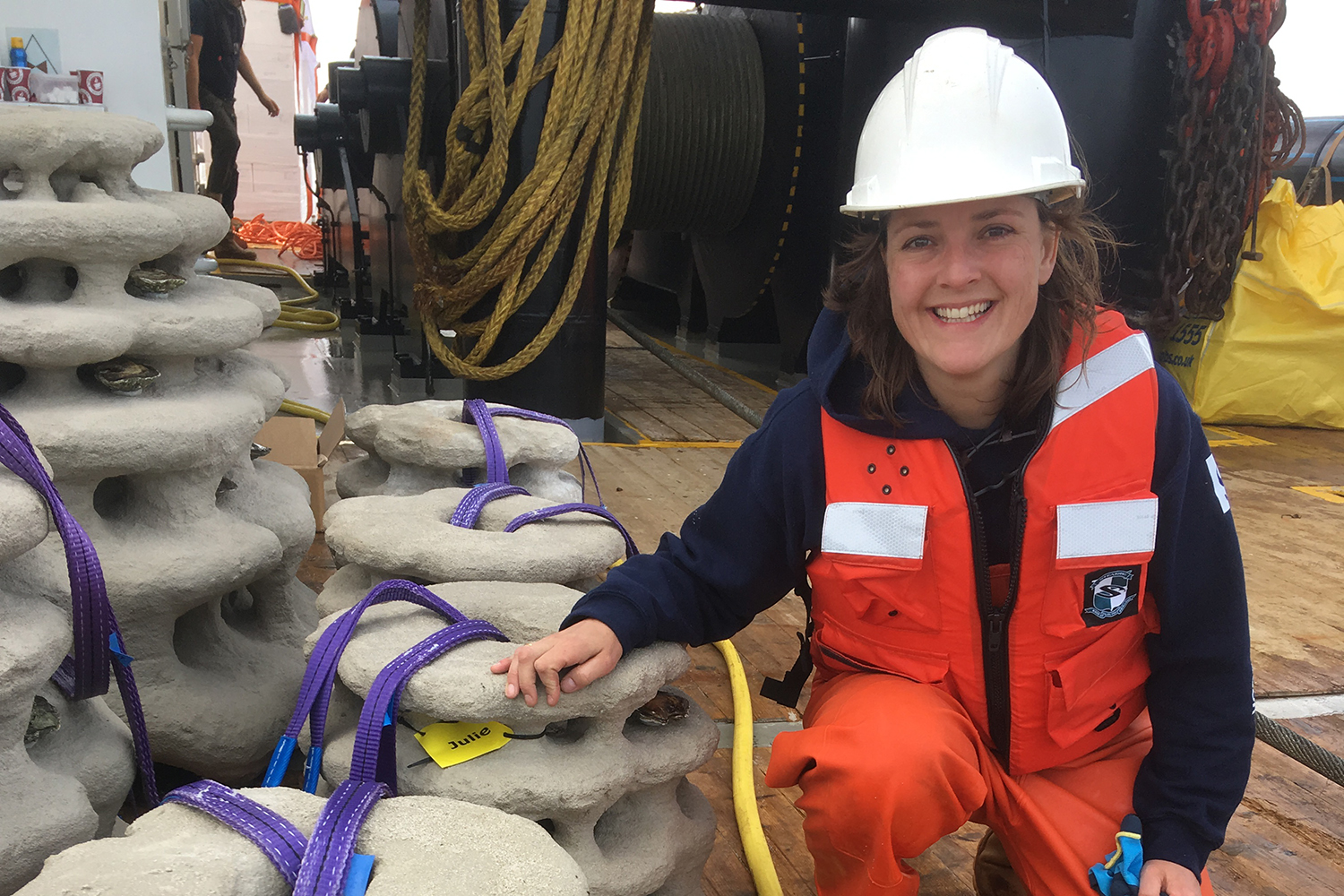
That’s where “rewilding” comes in. The Doggerland Foundation is leading one of Europe’s most ambitious marine restoration efforts, rebuilding key habitats like horse mussel reefs and establishing quiet zones where marine life can flourish. Reuchlin also helped pioneer offshore oyster reef restoration – a first-of-its-kind effort that involved developing protocols, navigating permits, sourcing sustainable oysters, designing and printing artificial reef structures, and coordinating with fishermen, government officials, and a full restoration crew.
“I protect what I love,” said Reuchlin. “Unfortunately, many have lost a connection to the natural world. But we can restore our relationship with life around us and respect it and do better. That is why I hope my work will lead to bringing back marine life and restoring our relationship with life in the sea.”
Giving a voice to the North Sea
The third prong of Doggerland’s approach is perhaps the most ambitious: ensuring that ecosystems themselves are represented in policy planning and governance. Reuchlin is exploring how to incorporate the rights and interests of marine life into decision-making frameworks. “The North Sea has a right to exist apart from how humans use it,” she said. “We need to flip the burden of proof, make it so those proposing new activity must prove it won’t cause harm.”
In this vision, the sea is not a blank slate for human exploitation, but a living system with its own voice, history, and rights. As pressures on the North Sea intensify, Reuchlin’s message is gaining urgency: wind farms are expanding rapidly across the North Sea and shipping traffic has increased more than fortyfold in the Dogger Bank marine protected area since 2012, she said.
While many advocacy groups have walked away from similar battles, worn down by the complexity and scale of the challenge, the Doggerland Foundation has pushed forward. “There was a time when people had more or less given up on the Dogger Bank,” Reuchlin said. “I decided: let’s go for maximum impact. If we can restore ecosystems in the busiest sea in the world, maybe it will inspire others to keep going, too.”
“I do not ignore the sadness I feel about the decay around me, as I believe these emotions make me an empathetic person, and we need empathy to take care of life around us,” Reuchlin said. “I tell myself that it could be the 100th time you bang your head against the wall that might be the one that makes the crack that ultimately changes the system. Nature restoration takes time. That is okay. I persevere and sink my teeth into it and I don’t let go. I work actively on having hope.”
Recognition at a critical moment
Reuchlin said the Bright Award has come at a pivotal moment, allowing the Doggerland Foundation to use the prize funds as a matching contribution for a major grant application focused on rewilding the Dogger Bank seascape.
“This kind of recognition doesn’t just boost morale, it helps unlock new resources to do the work,” Reuchlin said. “I am still in shock and am so grateful. Dutch people are known for just carrying on, not complaining, and not seeking recognition. I am incredibly thankful for the amazing international team I work with. It means a great deal to have this work seen, and to know that others believe this special corner of the world is worth fighting for.”