
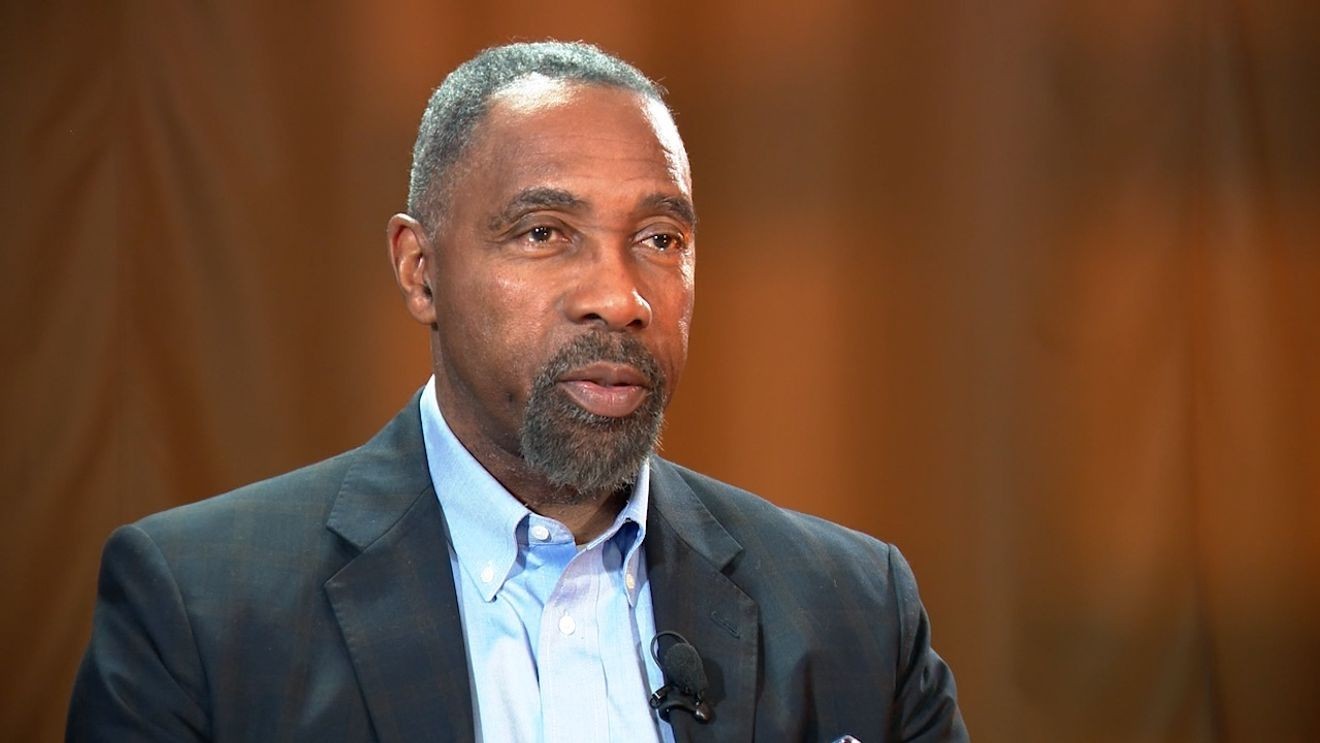
WASHINGTON (7News) — Iran’s history of evading sanctions and its relationships with China, Russia and North Korea could complicate a new U.S. campaign to increase economic pressure on Tehran, WTOP national security correspondent J.J. Green said.
Green discussed the campaign and its potential international consequences during an interview with 7News anchor Megan Clarke.
Washington has threatened additional economic measures, including sanctions against countries that continue doing business with Iran. Green said Iran has spent decades developing ways to obtain restricted goods despite sanctions targeting its nuclear program.
ALSO SEE | Secret Service confirms agents are aware of Iranian threats targeting Barron Trump
Iran has relied on black-market networks to acquire fuel, dual-use components and other materials, Green said. Those networks include people and governments that create opportunities for Tehran to obtain restricted goods.
The U.S. administration is likely to target countries participating in those networks, but Iran will again try to bypass the restrictions, Green said.
“Make no mistake about it, they’re going to try to do that again,” he said.
Green described Iran, China, Russia and North Korea as the principal members of an informal anti-Western bloc whose members provide one another with economic, diplomatic and military support.
China plays a particularly important role because it buys a significant portion of Iran’s oil, Green said. Russia and Iran also maintain military ties involving Shahed drones.
Iran has supplied the drones to Russia for use in its war against Ukraine, Green said. Russia has subsequently upgraded some of those aircraft and returned them to Iran, according to Green, who said they could be used against U.S. forces.
Those relationships will make it difficult for Washington to isolate Iran or pressure countries that continue supporting it, Green said.
The national security correspondent also discussed the possibility that U.S. diplomacy with North Korea could affect the broader strategy. The president has expressed interest in meeting North Korean leader Kim Jong Un as Washington adjusts its messaging toward Pyongyang and military exercises with South Korea.
Green said developments involving Iran, Russia, China and North Korea should not be viewed separately because diplomatic and intelligence efforts often overlap.
“They’re all interconnected on some level,” Green said.
Green also cited reports that CIA Director John Ratcliffe was in Moscow, although the purpose of any visit was unclear. Green said a trip by a sitting CIA director would be significant because one had not visited Moscow since November 2021.
He said such talks could involve the war or sanctions against Iran, but emphasized that the details were not publicly known.
RELATED | ‘Economy is the regime’s Achilles’ heel’: Expert weighs in on financial war against Iran
The campaign against Tehran is unfolding as the United States manages strained relations and disputes involving NATO members, Europe, Greenland and Canada. Clarke asked whether Washington risks stretching its resources and alliances too thin while attempting to increase pressure on Iran and reopen the Strait of Hormuz.
Green said questions remain about whether the United States can sustain its traditional international role while simultaneously confronting allies and adversaries on multiple fronts.
He said the growing trade dispute with Canada could also have rapid economic consequences for Americans and deserves closer examination as Washington pursues its broader security strategy.