
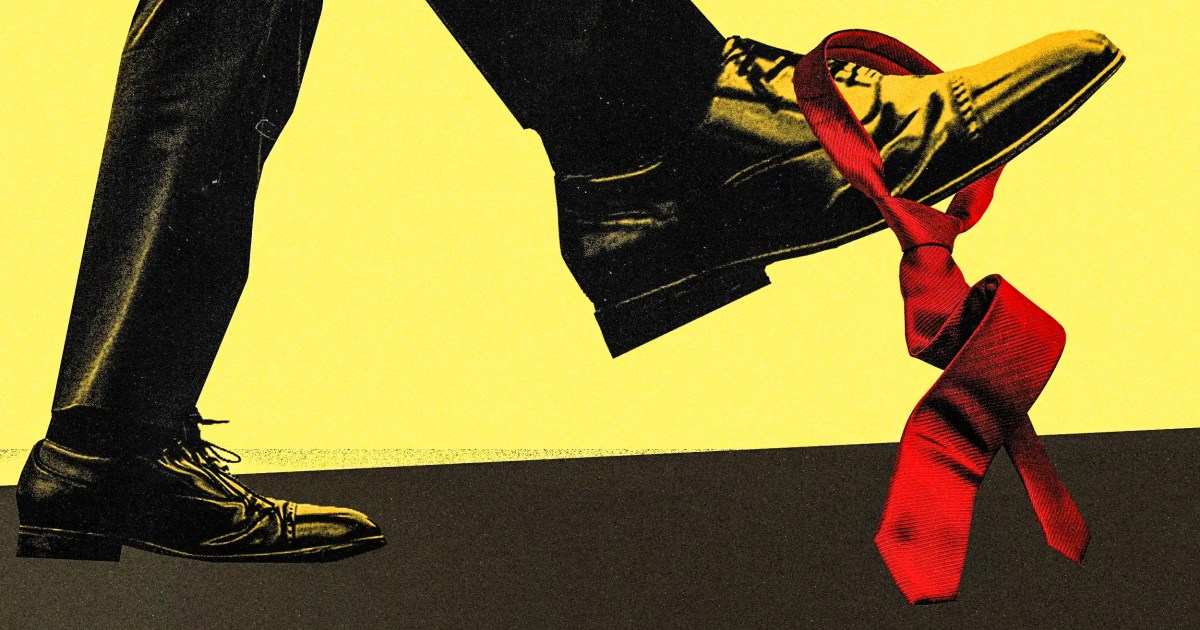
“Why would I want to blow up the global financial system?” an exasperated Treasury Secretary Scott Bessent said during a press conference Monday, while introducing new sanctions against Iran. Bessent may think that’s still a self-evidently ridiculous question. George W. Bush didn’t want a Great Financial Crisis, nor did Herbert Hoover seek to start a Great Depression. Surely no White House would deliberately hurt the global economy.
Yet for the first time ever, that’s not the case. At home and abroad, the past few days have laid bare the extent to which President Trump’s troubles on the economy are self-inflicted.
The Strait of Hormuz is not open, oil prices are still high, and the knock-on effects are spreading beyond the gas pump.
Last week, the yield on the 30-year Treasury bond reached a 19-year high. The administration took notice, perhaps because higher bond yields usually mean higher borrowing costs at a time when voters are already furious about the cost of living. Bessent’s solution was to intervene in bond markets by increasing the size of debt buybacks. But yields dropped for only a day before returning to their previous level, reflecting investors’ broader structural fears, including over the $40 trillion national debt.
For that, the White House can thank its own tax cuts, as well as those passed under the first Trump administration. As Bobby Kogan of the Center for American Progress wrote for MS NOW Tuesday, “it is a mathematical truth that had the [George W.] Bush and Trump tax cuts never been enacted, the U.S. debt ratio would be declining indefinitely.” Even if the deficit-busting impact of the 2017 tax cuts somehow came as a surprise to the first Trump administration, there was no way to expect any other outcome for last year’s “big, beautiful bill.”
Play
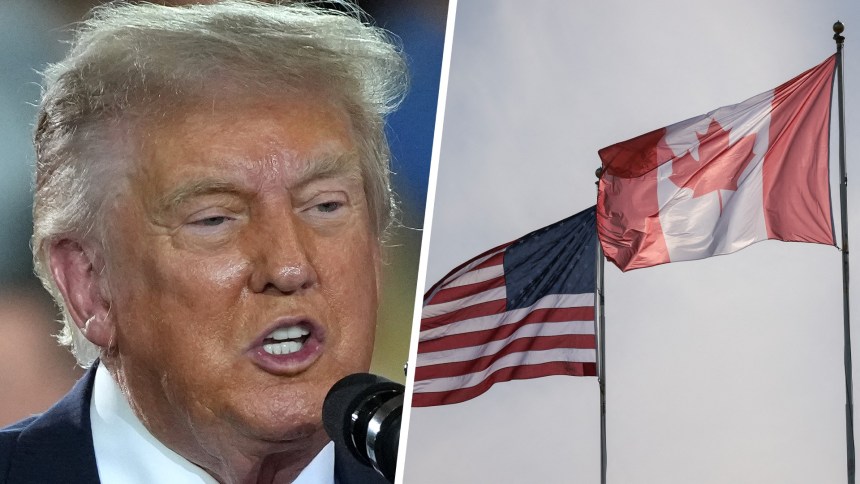
Two days after Bessent’s bond intervention, Trump announced he will allow the import of 300,000 tons of ground beef with lower tariffs. Though he did not specify which companies or countries will provide the beef, the president promised it would “substantially lower the price of ground beef” just before the midterm elections. In other words, he admitted that U.S. consumers have been paying the costs of his tariffs after months of insisting that other countries would foot the bill. In the meantime, his failed, and in some cases illegal, trade policies have cost Americans billions.
More articles

James Downie is an opinion editor for MS NOW Daily.