
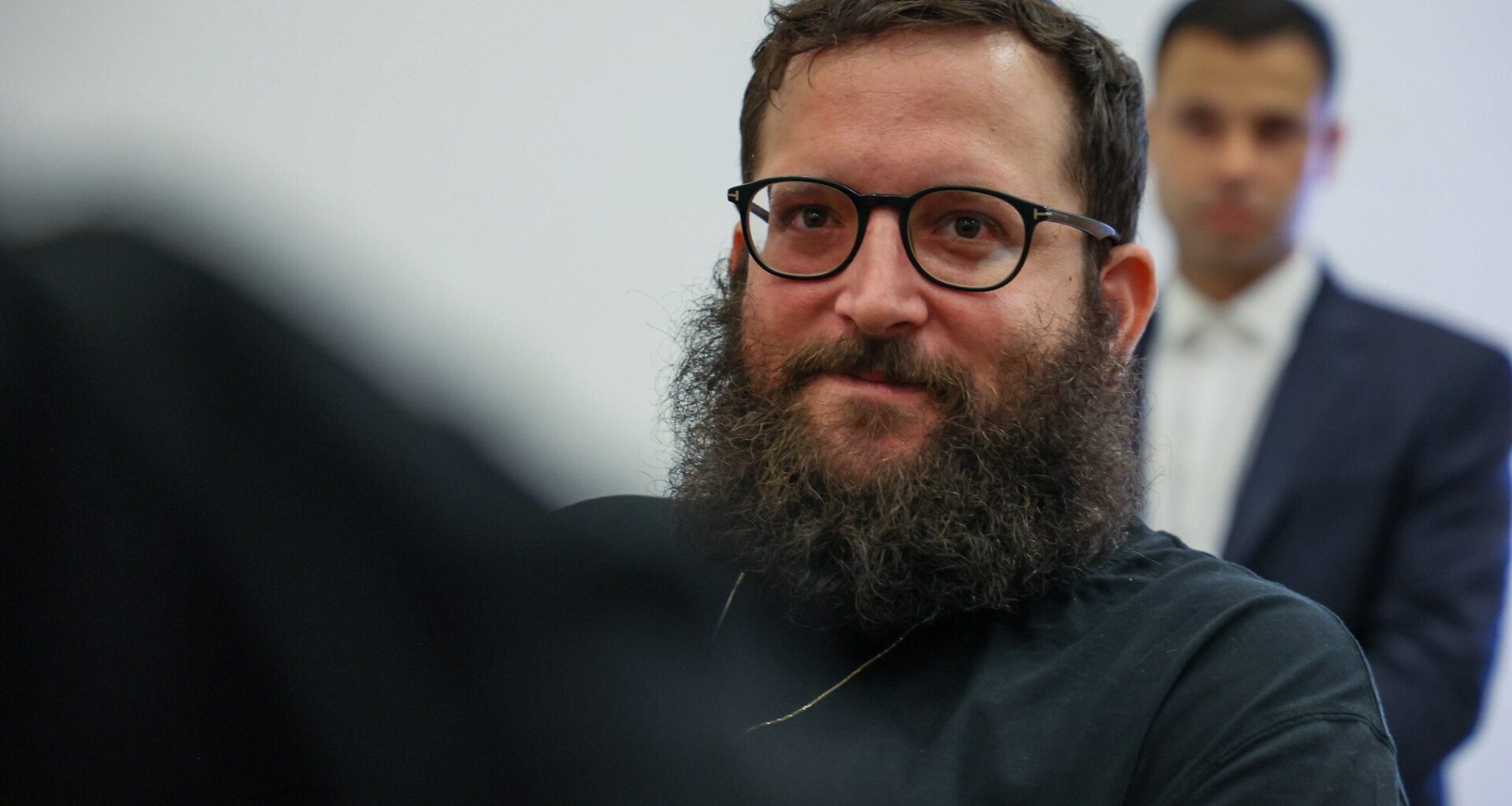
The Lod-Central District Court ruled Tuesday to extend the restrictive conditions on Jonatan Urich, a senior adviser to Prime Minister Benjamin Netanyahu and a key suspect in the so-called Qatargate scandal, until September 10, overturning a lower court decision.
Following the decision, Urich was summoned for another interrogation on Wednesday at the Israel Police Lahav 433 special crimes unit.
Urich, along with Netanyahu’s former spokesman Eli Feldstein, allegedly spearheaded a pro-Qatari public relations campaign to cast the Gulf state in a positive light ahead of the 2022 FIFA World Cup, hosted in Doha, and reportedly continued his PR work for Qatar well after the Hamas’s October 7, 2023, attack on Israel sparked the ongoing war in Gaza, despite the Gulf nation’s strong ties to the terror group.
Urich, Feldstein and a third adviser to Netanyahu, Yisrael Einhorn, are suspected of multiple offenses tied to their alleged pro-Qatar lobbying, including contact with a foreign agent and a series of corrupt actions involving lobbyists and businessmen, all while working for the prime minister. The investigation has also expanded to cover business connections of former security officials to Qatar.
Last week, the Rishon Lezion Magistrate’s Court rejected a police request to extend restrictions on Urich that have been banning him from contacting other figures linked to the affair, and anyone working in the Prime Minister’s Office, including Netanyahu himself. On Sunday, police appealed the ruling.
Get The Times of Israel’s Daily Edition
by email and never miss our top stories
By signing up, you agree to the terms
In addition to those conditions, Urich was barred from leaving the country until September 12.
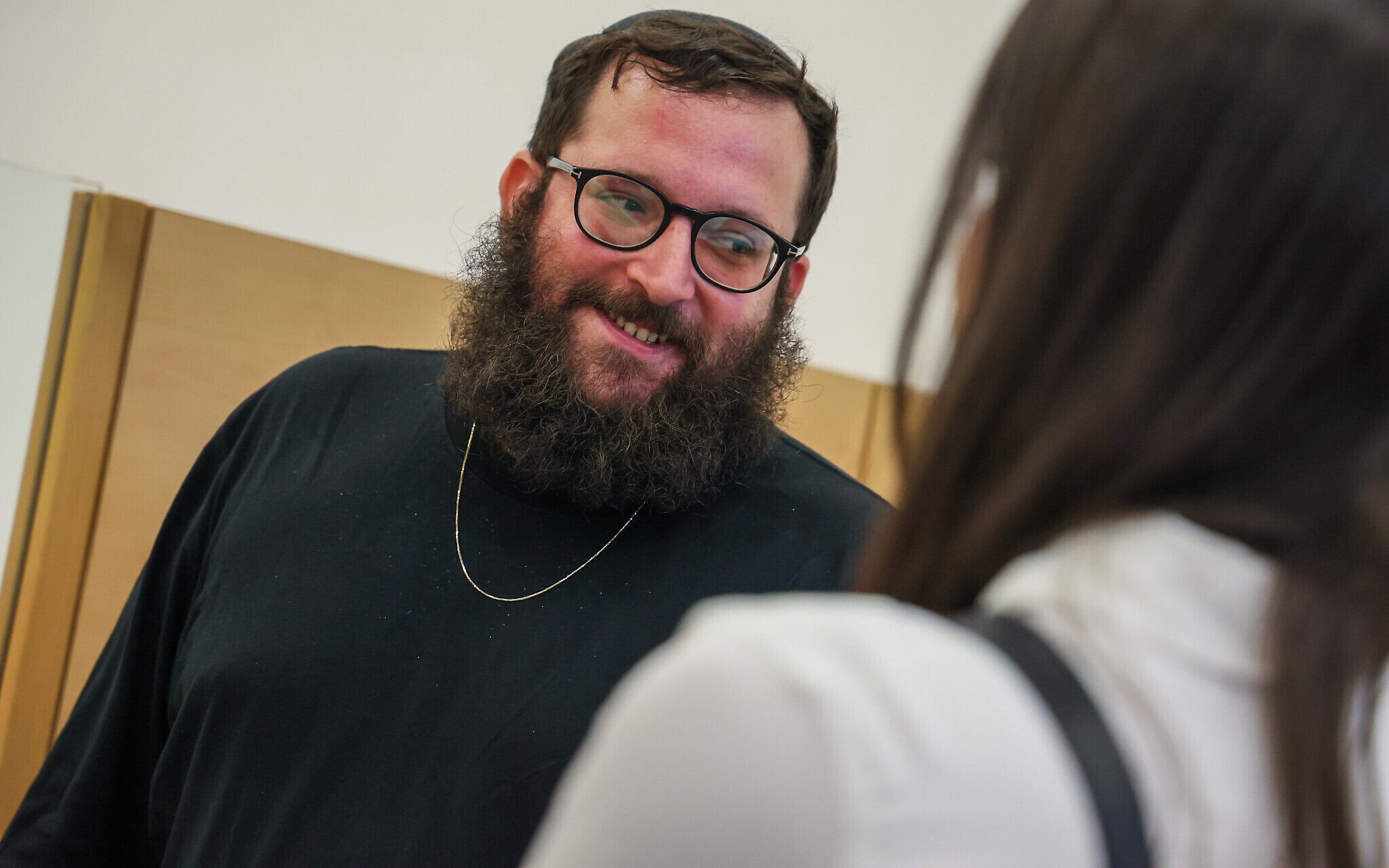
Jonatan Urich, who was arrested as part of the Qatargate investigation, arrives at a court hearing in Lod on August 19, 2025. (Jonathan Shaul/Flash90)
The district court has repeatedly overturned rulings by the magistrate’s court’s Judge Menachem Mizrachi against the extension of Qatargate suspects’ remands.
In Tuesday’s ruling, District Judge Amit Michles upheld the police appeal, saying that the lower court’s ruling was based on the question of whether Urich could be considered as working in public service while he committed his suspected crimes.
Michles wrote that this question can only be addressed by a court if and when an indictment is filed against him, that it cannot be the basis for rejecting the police request to extend the restrictive conditions, and that the matter cannot be adjudicated without hearing the prosecutors’ arguments.
He also wrote that the police have consolidated evidence pointing to Urich being a public employee, and have provided evidence regarding “the respondent’s influence over diplomatic issues” and “the standing of the respondent in the Prime Minister’s Office.”
The judge wrote explicitly that he therefore did not share Mizrahi’s position that there was an absence of reasonable suspicion that Urich committed the crimes of bribery and breach of trust, charges which can only be brought against public servants.
Michles also appeared to criticize Mizrahi’s decision last week to reveal some of the testimony given by Netanyahu to the police’s Lahav 433 major crime unit during questioning in March about the Qatargate affair.
“I purposely avoided revealing, as part of this decision, further details and quotes from the investigation material beyond those mentioned extensively, not to say unprecedentedly, in the lower court’s decision, in light of the inherent concern in such decisions that oversharing may harm an investigation that is still underway,” Michles wrote.
The judge also stated that it was “astonishing” that Urich had not told Netanyahu that he was engaged in public relations work for Qatar, in light of the close working relationship between the two men.
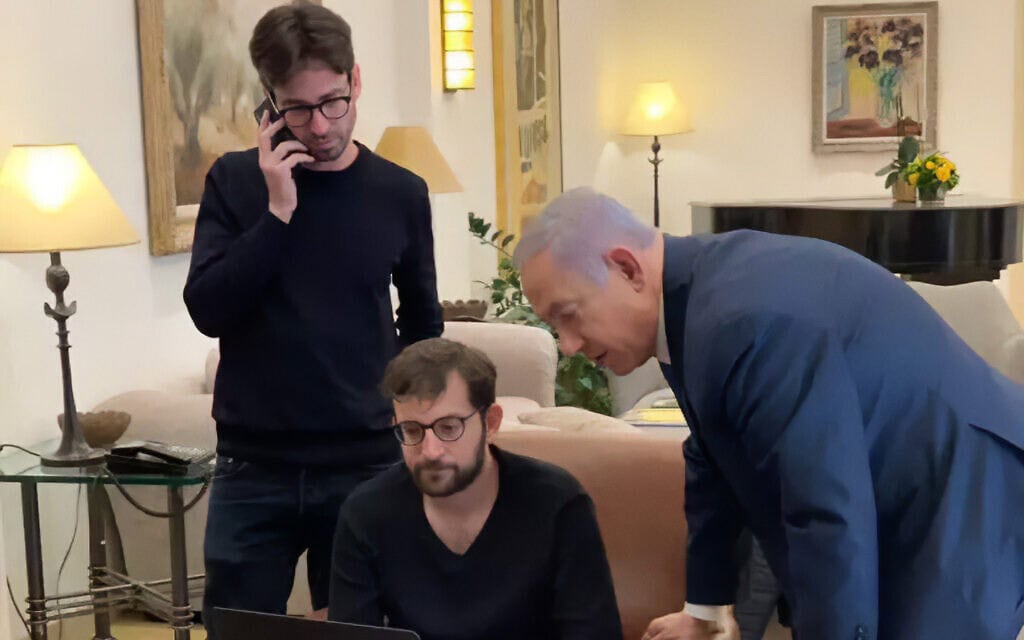
Aides Yisrael Einhorn (left) and Jonatan Urich (center) with Prime Minister Benjamin Netanyahu in 2019. (Courtesy/ File)
“The testimony of the prime minister on this matter, as was quoted, irregularly, by the lower court, actually strengthens the suspicion that the respondent concealed his actions from him, even though according to the accounts of both of them, we are talking about ‘legitimate actions,’” wrote Michles.
“The question will be asked — if we’re dealing with legitimate activities, why were they hidden from him, given that some [of the activity] pertains directly or indirectly to sensitive issues at the center of the diplomatic and security agenda of the State of Israel, which the prime minister naturally deals with.”
The judge pointed out that Urich’s alleged work for Qatar involved boosting Qatar’s image in its role as a broker in the hostage negotiations with Hamas, noting that Mizrahi himself had underlined this fact.
At the end of his ruling, Michles noted that police had said they would be able to complete all the necessary investigative work within 45 days, and requested that police bring the investigation to an end as quickly as possible.
During Tuesday’s hearing, police investigator Superintendent Aviv Porat told the court that Urich had said he never told Netanyahu he was engaged in public relations work for Qatar, and that Netanyahu had himself said he was never aware that the senior aide was working for Doha.
Addressing concerns over the length of the investigation, voiced by Urich’s lawyer Noa Milstein, Michles said that Urich’s version of events had changed during the investigation and that it was therefore important to prevent him from contacting others connected to the scandal.
Urich is suspected of multiple offenses tied to his work for a pro-Qatar lobbying firm, including accepting a bribe from Qatar, contact with a foreign agent, and breach of trust due to what prosecutors believe were his efforts to improve Qatar’s image as a mediator in hostage negotiations while working as an adviser to Netanyahu at the same time.
During the hearing, Porat told the court that the Qatargate investigation had led to a “substantive suspicion” that following the October 7 Hamas atrocities, Israeli officials had worked to build for Qatar “an orchestrated plan…to change the negative narrative created against it” due to Doha’s funding of Hamas.
“This plan was approved by Qatari officials and was implemented. As part of the plan, many actions were taken to change Qatar’s image, also within the State of Israel, and the respondent [Urich], together with others, allegedly took an active part in carrying out that plan, all while working in the Prime Minister’s Office,” Porat told the court.
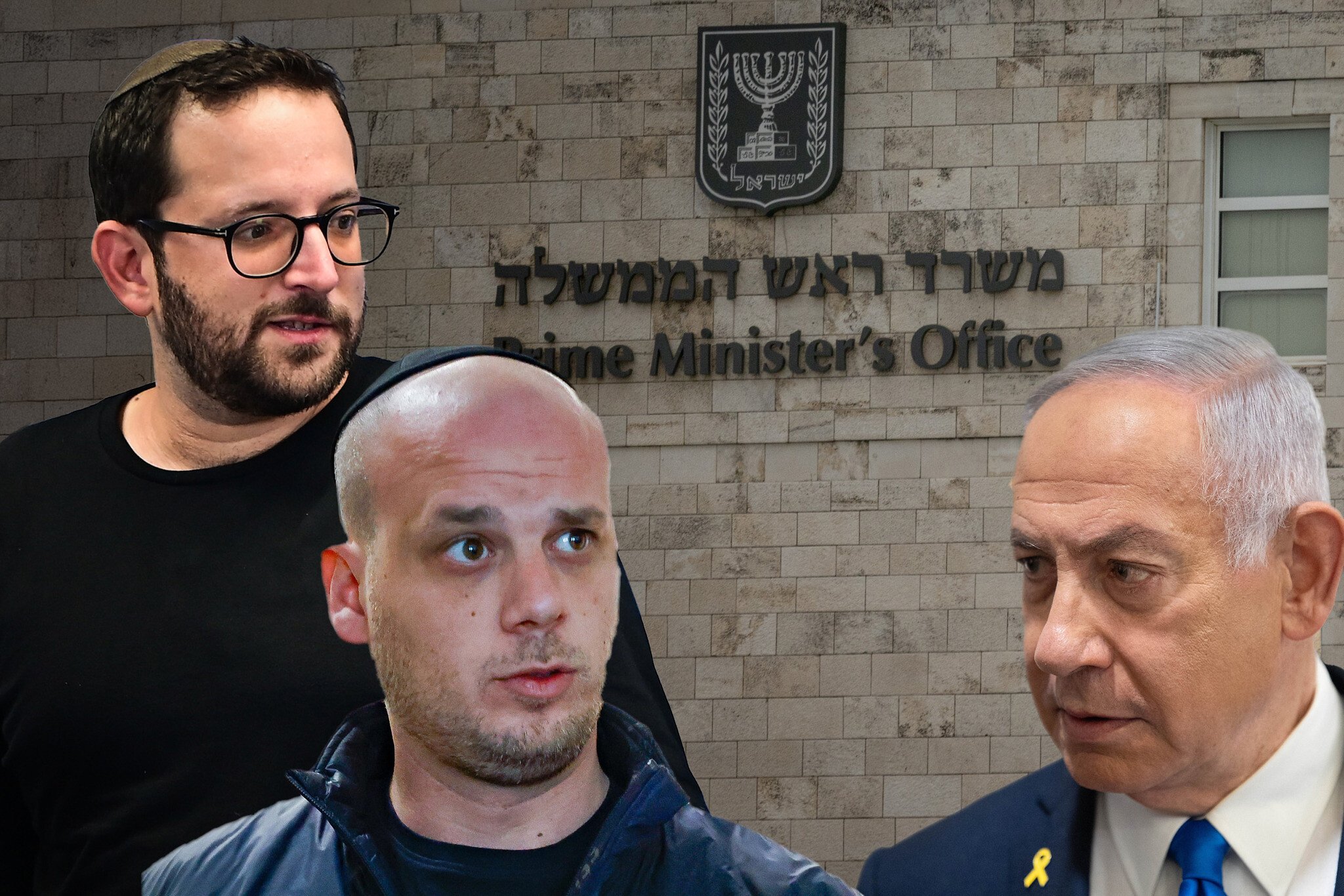
From left: Jonatan Urich, Eli Feldstein, Prime Minister Benjamin Netanyahu (Composite: Flash90)
He said that police were investigating suspicions that Urich was employed by the Likud party but “in practice worked in the public diplomacy field in the Prime Minister’s Office, [and] during a war, received a bribe from a foreign country to which he was providing similar services, without disclosing his work for Doha.”
Porat said that extending the restrictive conditions on Urich was necessary to prevent him from potentially obstructing the investigation by contacting other suspects and figures connected to the affair.
Porat also pointed out that one of the reasons Urich had been asked to work on the Qatar public relations project was his close relationship with and work for the Prime Minister’s Office, “and his familiarity with and closeness to senior government officials.”
Milstein, Urich’s attorney, argued that the investigation could continue without the restrictions and pointed out that other suspects had already returned to their places of work, including those working for businesses at the center of the investigation.
She also said that Urich’s income had been badly affected as a result of the restrictive conditions, after Porat pointed out that Urich was still receiving a monthly salary from the Likud party.
Michles noted, however, that Urich’s loss of income was largely due to his no longer being able to work for the Perception strategy company, which had contracted him to do the public relations work for Qatar, and “from which, according to the suspicions, he received a lot of money.”
Responding to the ruling, Urich wrote on X that “there is no force in the world that will prevent me from going back to work for Netanyahu.”
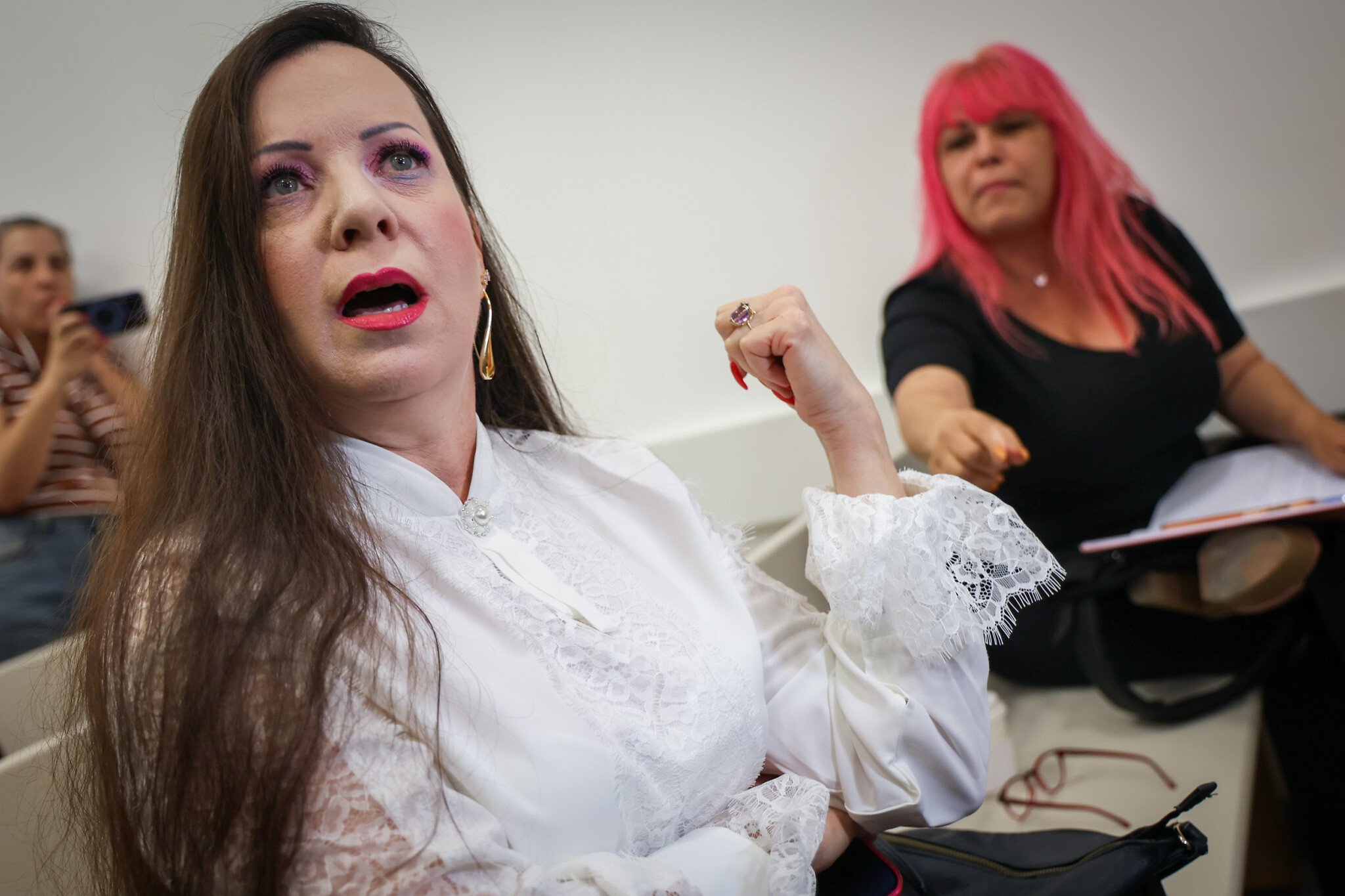
MK Tally Gotliv attends a court hearing concerning Jonatan Urich in Lod on August 19, 2025. (Jonathan Shaul/Flash90)
During Tuesday’s hearing, ugly scenes unfolded as incendiary Likud MK Tally Gotliv persistently interrupted the proceedings, leading Michles to order her removed from the hearing. She refused to leave, claiming she had parliamentary immunity, and was eventually physically removed by the guards.
As she was ejected from the courtroom, Gotliv called the security guard who removed her “an animal” and compared him to the “Judenrat,” the Nazi-established Jewish administrative councils that were forced to ensure Nazi orders were implemented.