
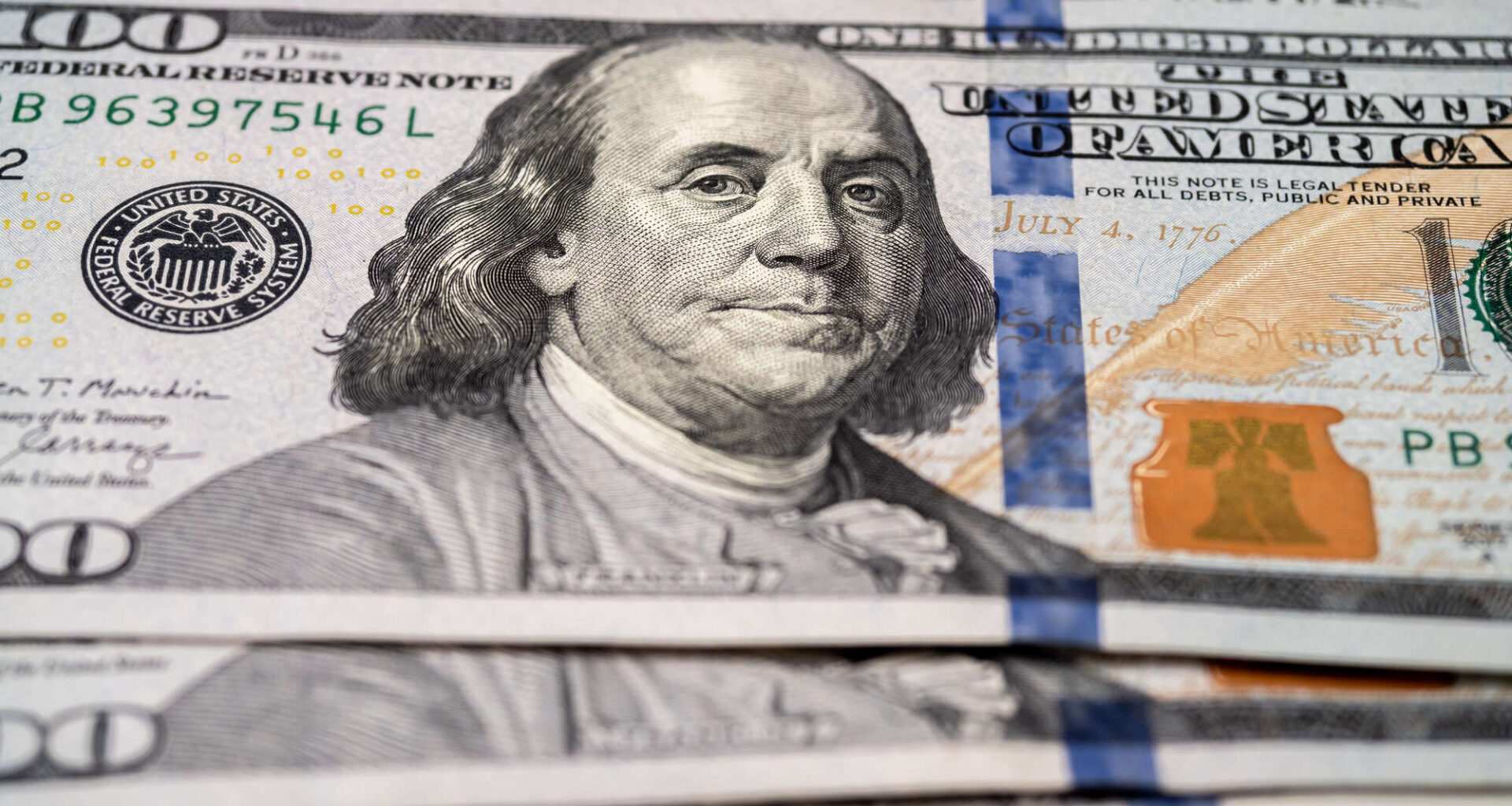
The alternative pay plan that the White House issued this week carves out exceptions to give larger raises to federal law enforcement and military personnel.

August 28, 2026 12:55 pm
2 min read
Most civilian federal employees will not see a pay raise in 2027, according to an alternative pay plan President Donald Trump issued this week.
The president is officially planning for a pay freeze on both base and locality pay for most civilian federal employees, citing fiscal responsibility and economic conditions.
“I have determined that for 2027, base pay and locality pay for civilian federal employees will not change from the 2026 rates,” Trump wrote in his alternative pay plan letter, quietly transmitted to Congress on Wednesday. “This decision will maintain fiscal responsibility without harming the government’s ability to recruit and retain well qualified employees.”
The planned federal pay freeze makes an exception for federal law enforcement personnel, who are expected to receive a 3.8% raise starting in January. The larger raise for law enforcement is meant to improve recruitment and retention for “critical law enforcement roles,” the letter states.
]]>
The alternative pay plan also calls for a 5-7% pay raise for active military members, commensurate with experience. Other uniformed service members will receive a 3.6% pay increase.
“I strongly support the members of our Armed Forces, who are the greatest fighting force in the world and the defenders of American freedom,” Trump wrote. “We must work to rebuild our military’s readiness and capabilities by supporting our service members and their families.”
The varying pay increases align with White House’s budget proposal earlier this year, which recommended a 5-7% military pay raise and omitted any mention of a civilian pay raise.
The 3.8% pay boost for federal law enforcement is also on par with the 2026 pay raise amounts. Aside from law enforcement, other civilian federal employees received a 1% pay raise this year.
The Office of Personnel Management will be tasked with determining which law enforcement positions are eligible for the 3.8% raise in 2027.
Presidents are required to submit an alternative pay plan by Sept. 1 of each year in order to keep larger formulaic raises from taking effect the following year under the Federal Employees Pay Comparability Act (FEPCA).
In most years, presidents’ alternative pay plans indicate the final pay raises federal employees receive the following calendar year. It’s still possible for Congress to intervene, but so far, lawmakers have not indicated any alternative to the White House’s raise plans.
]]>
The federal pay raise amounts will not be final until the president signs an executive order to officially set the rates — something that usually happens each December.
Democrats have been attempting to push for a larger 4.1% pay raise for federal employees through the introduction of the FAIR Act earlier this year. Despite its reintroduction each year, Congress has yet to pass any version of the legislation. The actual federal pay raises employees receive typically fall short of what the bill has proposed.
If you would like to contact this reporter about recent changes in the federal government, please email drew.friedman@federalnewsnetwork.com or reach out on Signal at drewfriedman.11
Copyright
© 2026 Federal News Network. All rights reserved. This website is not intended for users located within the European Economic Area.