
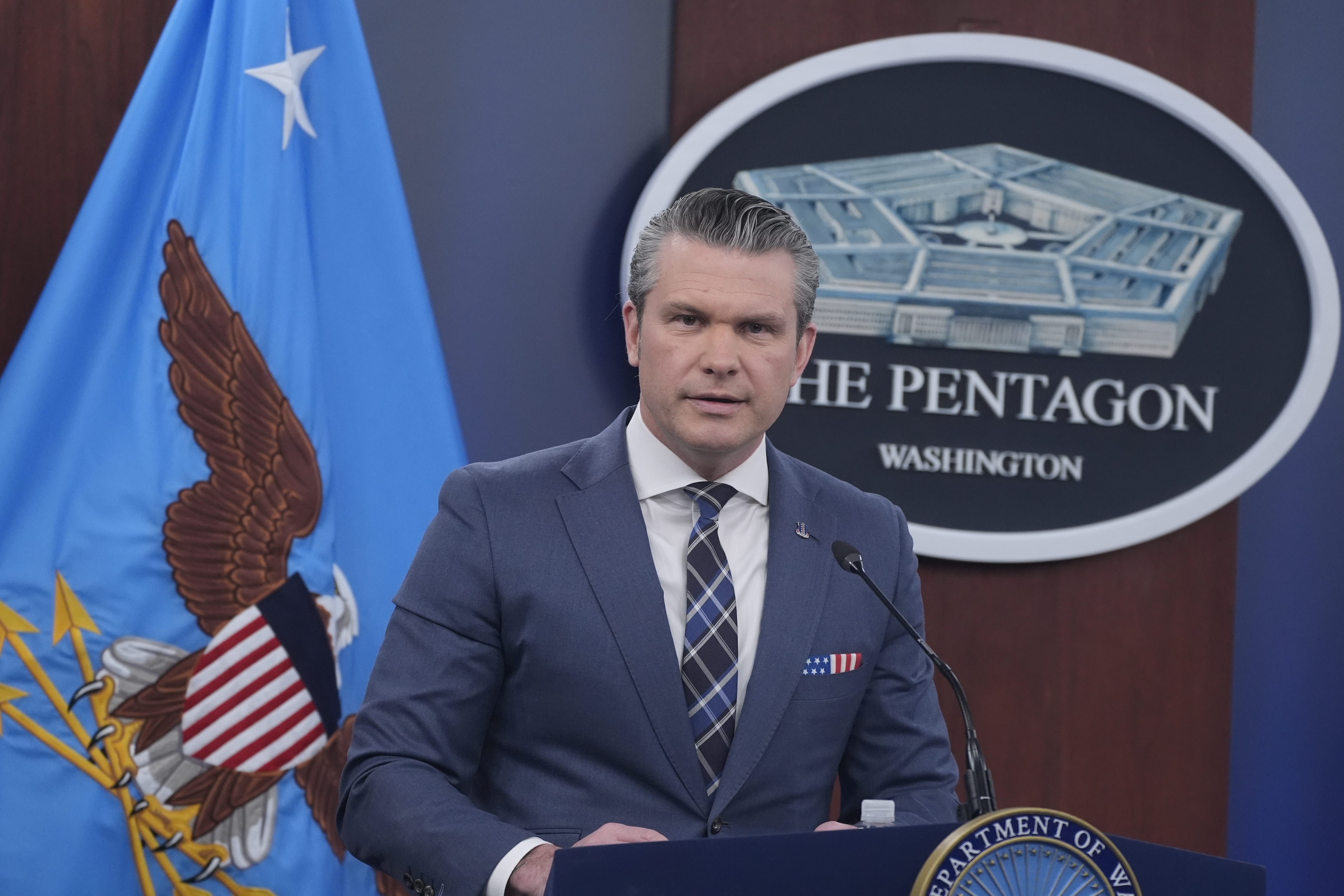
In the opening weeks of the Iran conflict, US Defence Secretary Pete Hegseth held a number of press conferences, explaining how Operation Epic Fury was going exactly to plan and lambasting the media for “relentlessly negative coverage”.
On March 13, he said: “What should the banner [on TV] read instead? How about, ‘Iran increasingly desperate,’ because they are.”
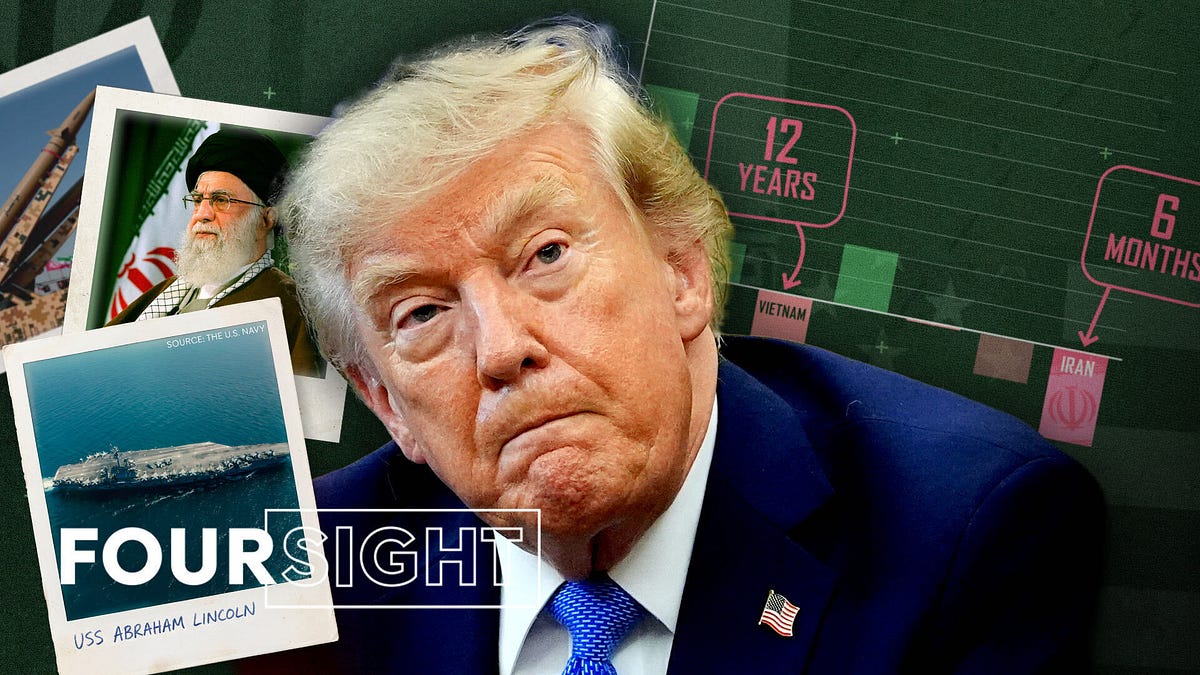
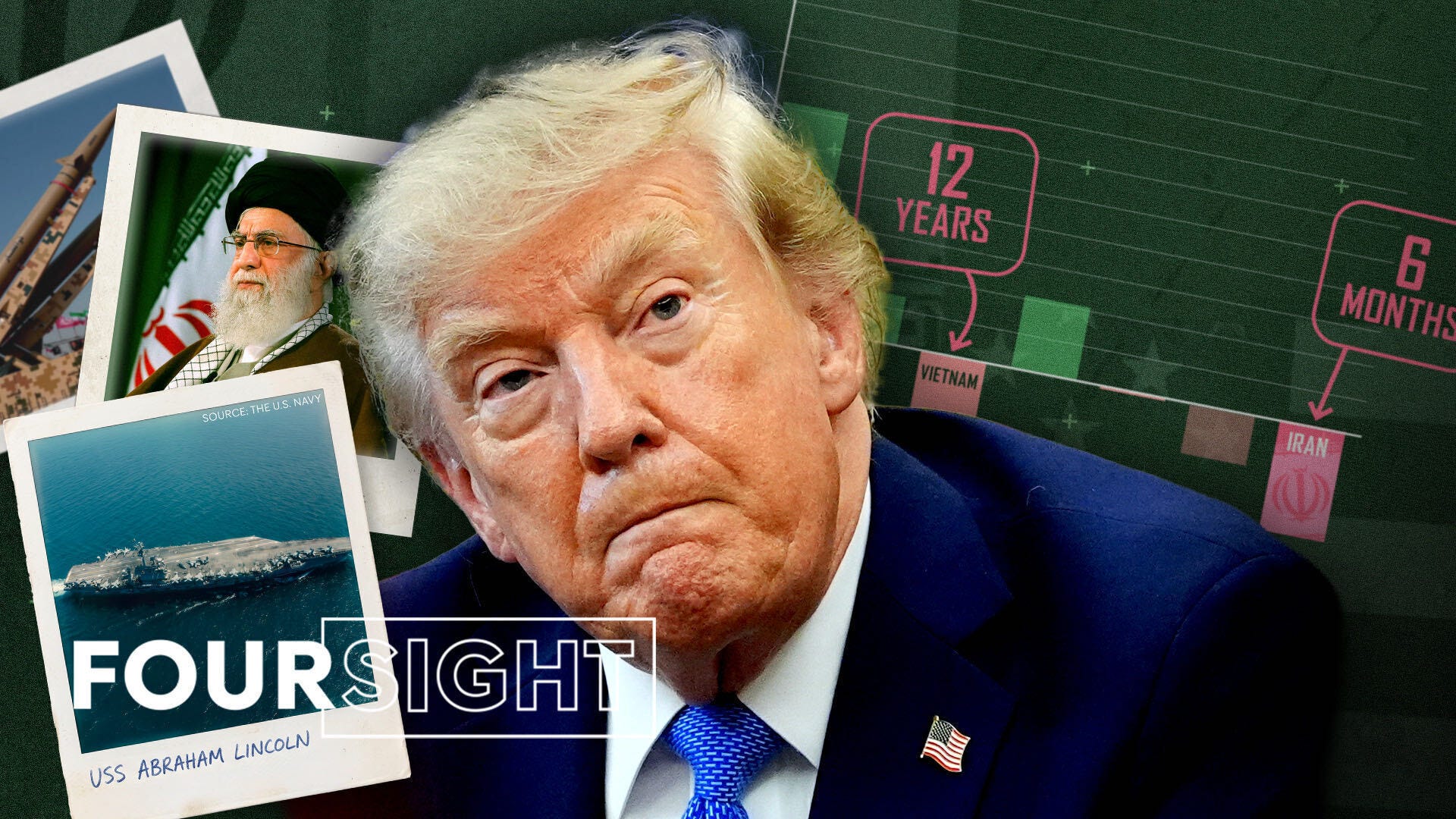
Six months later, and newly proposed economic sanctions on Tehran are perhaps a sign that it is the Trump administration who are desperate.
You’re reading FourSight, a newsletter from Channel 4 News’ expert journalists explaining the complexities of the biggest global stories

Those Hegseth briefings have dried up and the Strait of Hormuz remains essentially closed. Just 31 per cent of Americans support the war and only 33 per cent approve of Donald Trump’s performance as President, the lowest polling in either his first or second term.
In short, it has all gone wrong for the White House.
“Trump’s theory of victory, that he attacks Iran, regime changes, and within three days the whole thing is settled, failed that quickly,” said Rosemary Kelanic, the director of the Middle East programme at Defense Priorities.
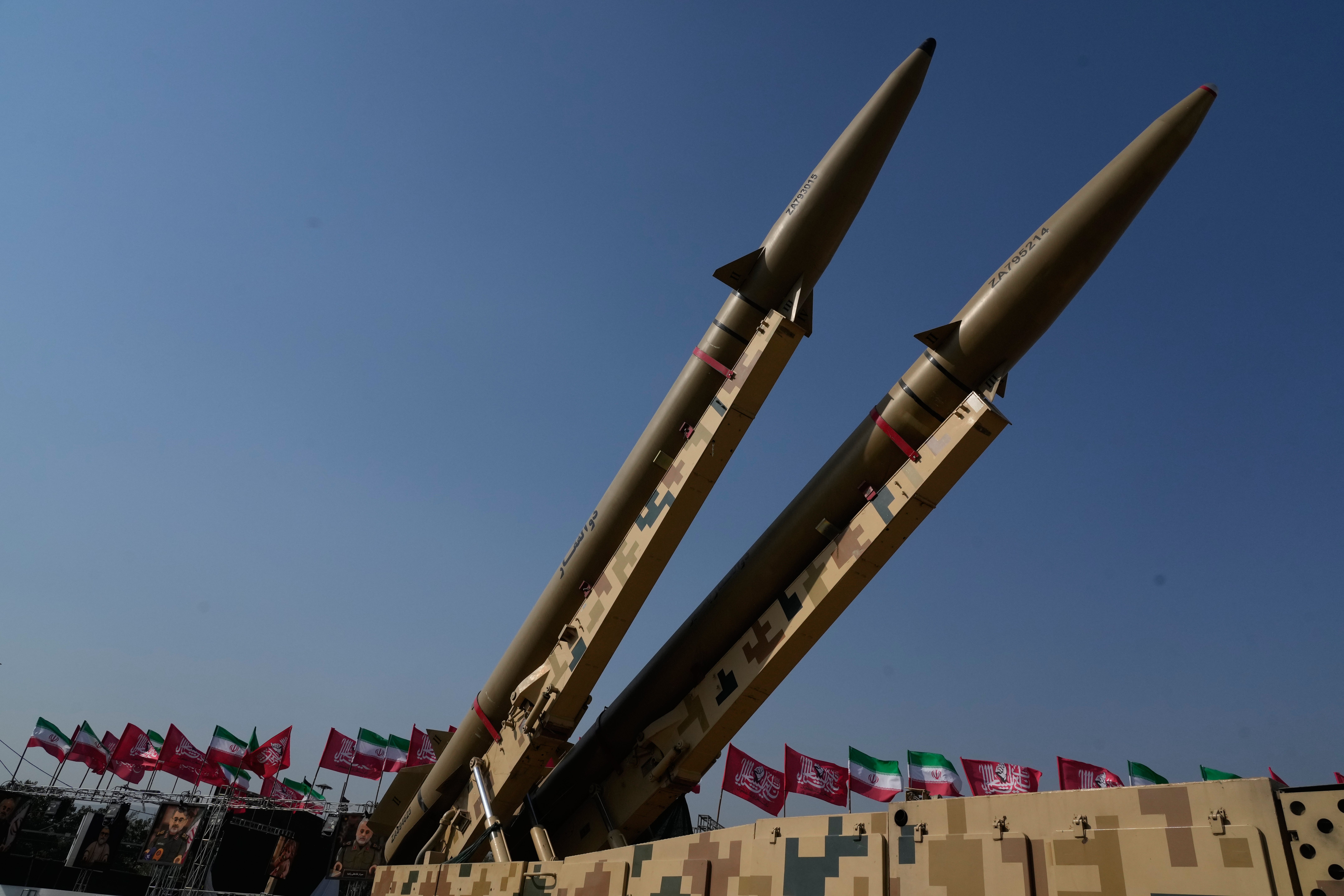
Some of the war’s objectives were: to destroy Iran’s missile capabilities, prevent Tehran from obtaining a nuclear weapon, and push for potential regime change.
On the first point, “at best, we’ve taken out about half of Iran’s capability,” said Michael O’Hanlon, US defence strategist at the Brookings Institution.
“Iran does seem to be capable of repairing launchers and continuing to build rockets. So whatever percentage we might have taken out by spring, they might be stronger now.”
Then the nuclear issue. Tehran has long denied it is attempting to build a nuclear weapon. During the 12-day war last year, American strikes targeted three Iranian nuclear sites: Fordow, Natanz and Isfahan. President Trump claimed they had been obliterated.
So, has this war actually changed anything?
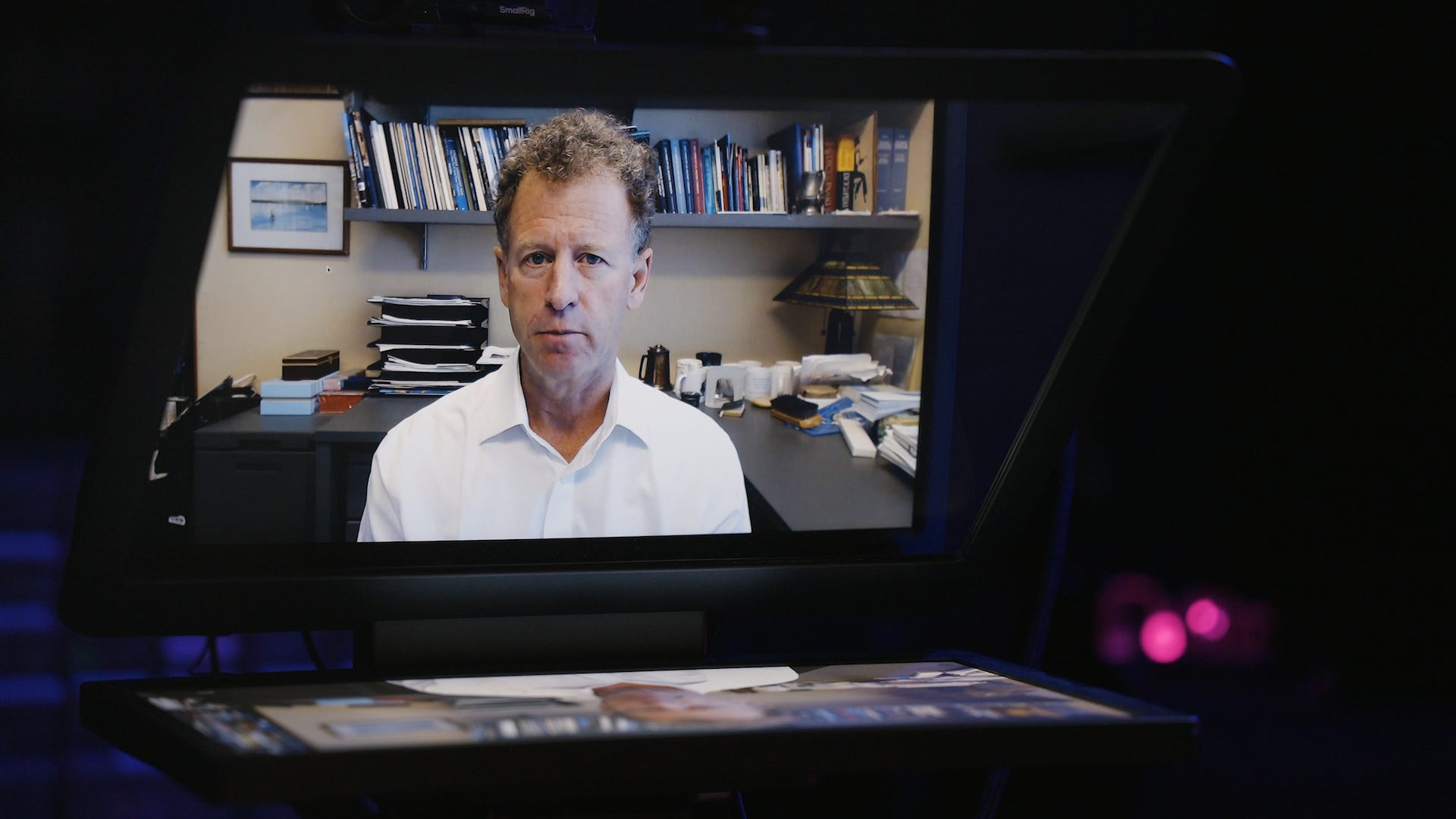
“I think we can reasonably infer that the 12-day conflict in June of 2025 was more important in damaging the Iranian nuclear capabilities than the war of 2026,” O’Hanlon, pictured below, told me.
“In other words, this year has been diminishing returns at best in terms of trying to weaken or debilitate that nuclear programme.”
Finally, regime change. The killing of Ayatollah Ali Khamenei and many other senior figures provided a dramatic opening to the conflict, but ultimately, has changed little within Iran.
Some analysts suggest the regime is now even more hardline.
Arash Azizi, an Iranian-American historian and author, believes it is actually more practical.
“Even though they’re less tactically cautious, I think in the final analysis, they’re more likely to deal with the US and Israel even, and some sort of a coexistence with them than Ayatollah Khamenei was,” he said.
 What were Trump’s motives for starting Iran war and how does he end it?
Not that America is indicating an openness to that. In announcing ‘Operation Economic Outcast’, proposed economic sanctions against Iran and its allies, US Treasury Secretary Scott Bessent said: “To the ordinary soldiers supporting this regime, as more and more of your paychecks stop or are supposedly just delayed, ask whether your commanders are leading your country to triumph or to ruin, and recall that the Berlin Wall fell when ordinary soldiers decided not to shoot at their own people.”
If the objectives have not been met, new headaches have also emerged.
Iran has maintained a stranglehold over the Strait of Hormuz, through which around a quarter of global oil usually flows. Surely, the Americans knew of this potential risk?
“Professionals in the US intelligence community knew this was a threat,” Kelanic said.
“The administration appears to have rejected their assessments. Trump just believed, especially after this rapid success in Venezuela, that this thing would be over before Monday morning.”
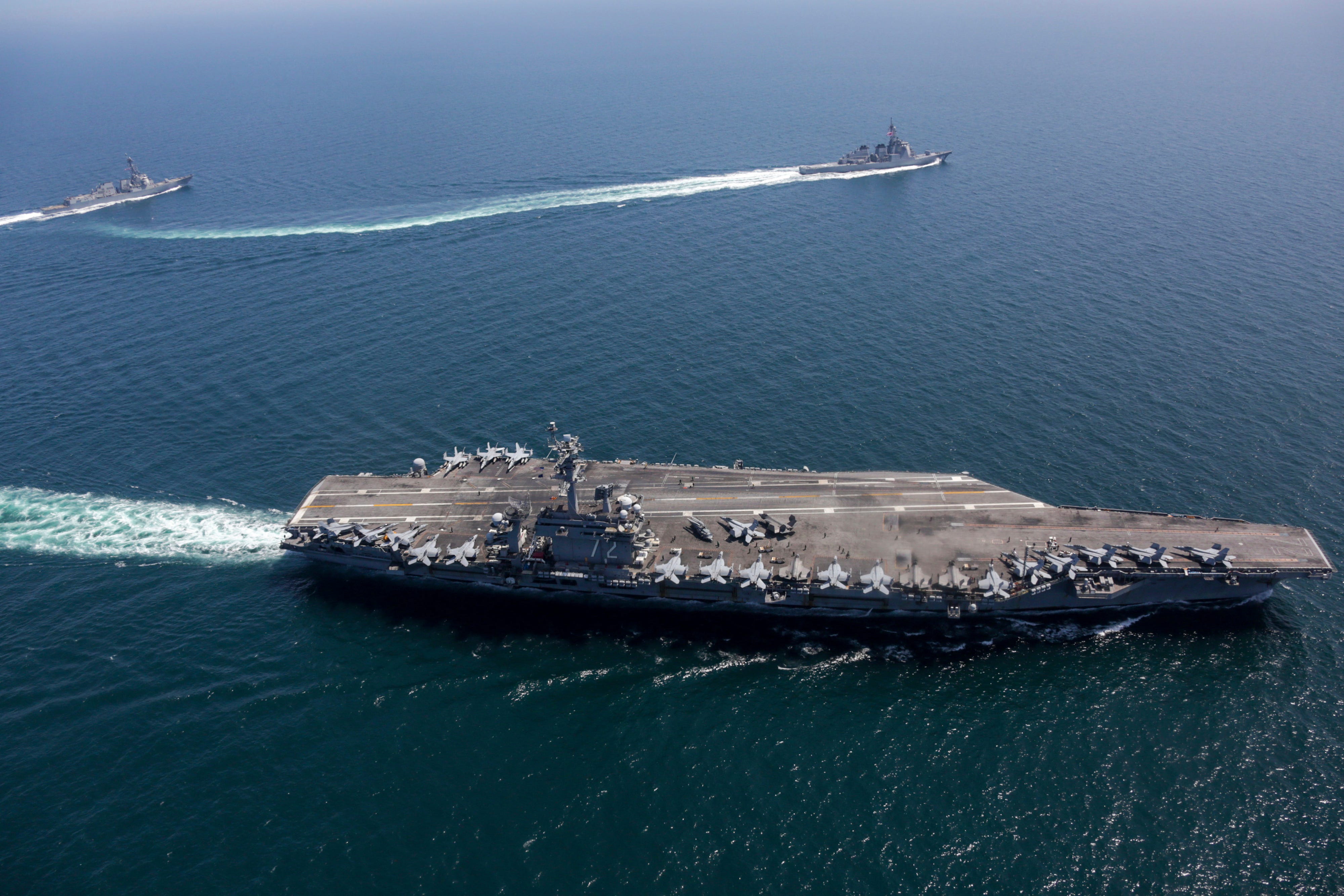
Then there is the apparent depletion of US missile stockpiles and the overly long deployment of the USS Lincoln. There were reports of terrible conditions on the aircraft carrier, with shortages of food as well as exhaustion and declining morale, with “at least one instance where a crew member was prevented from jumping overboard”.
“The US is still a great military power,” Kelanic explained, adding that it needs an overhaul – that’s largely down to drone warfare.
In a training exercise in Germany earlier this year, for example, American troops went up against Ukrainian drone operators – and they were soundly beaten.
“I think the Ukraine conflict has essentially revolutionised warfare and that’s not a term that I’ve tended to use in my career,” said O’Hanlon.
“I think we have a lot of catch-up to do on drone defence as well as drone offence.”
This shift helps explain why the Americans have been unable to take control of the Strait.
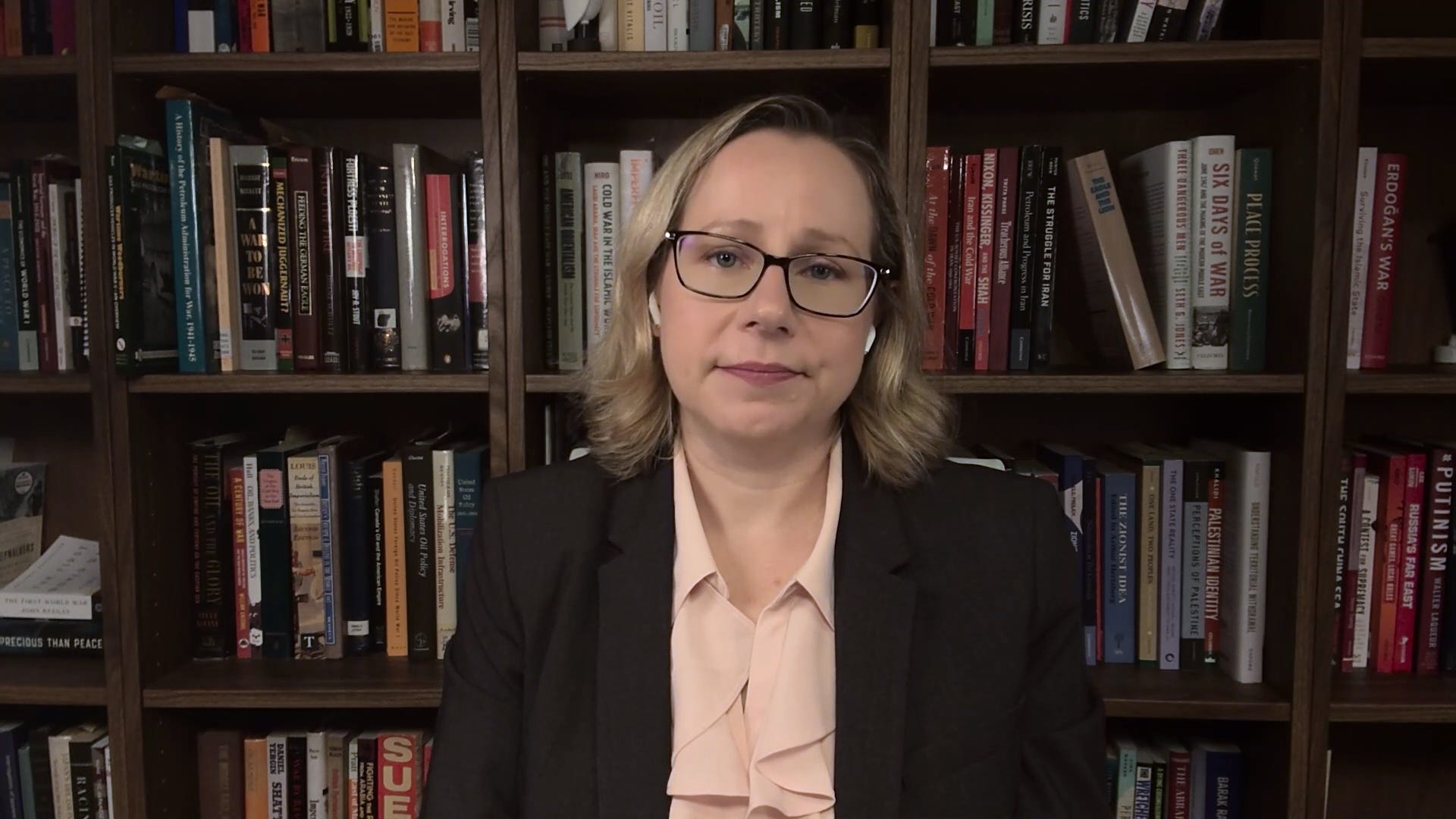
Kelanic, pictured below, said it was not just because of the risk to US soldiers’ lives but also a lack of understanding “going into this conflict how much the military landscape has changed in terms of precision and mass”.
With US bases attacked in the Gulf, a number of its service members killed, and repeated promises of escalation only for Trump to walk back his threats, perhaps the real consequence of this war is a United States that is now considered unreliable by its allies in the Middle East, and Washington considering taking a step back from the region.
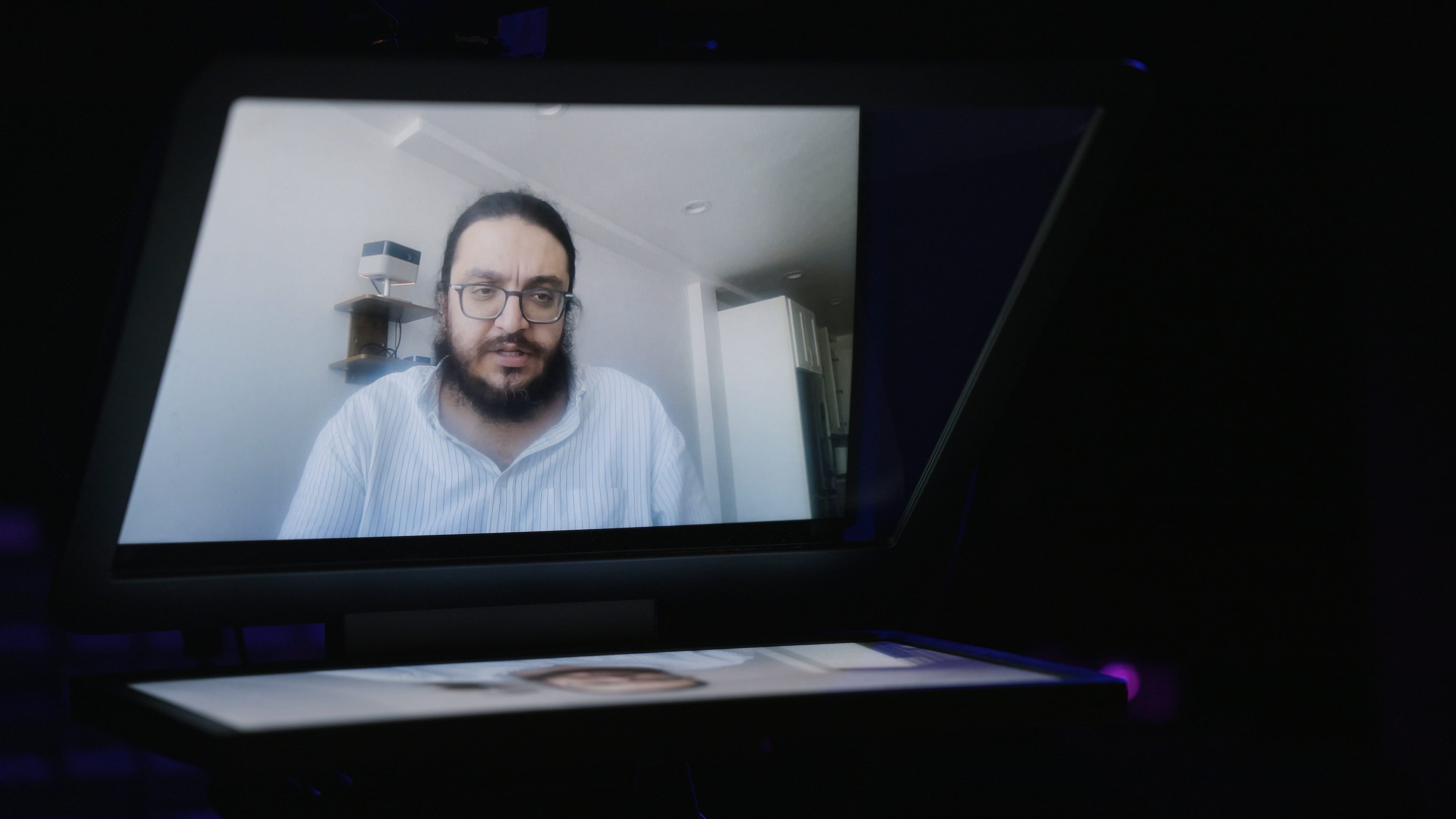
“The US has wanted to wash the Middle East off its hands for decades now,” Azizi, pictured below, told me.
“Every US president has wanted to do that, and yet the Middle East keeps drawing them back in… because of the centrality of the oil, because of the commitments the US has to countries in the region, obviously Israel.”
For Kelanic, “having all these bases within easy missile and drone range [from Iran] just isn’t viable in this age of warfare. So the US is going to have to adjust those bases, probably not rebuild them, and rethink its engagement”.
O’Hanlon, however, does not think that America’s dominance is over. “I don’t see what single alternative is going to somehow replace the American role,” he said.
“There are scenarios that are imaginable where we do less and everybody’s happier about that, but there are also scenarios where America doing less makes for a more rivalrous and more violent region.”
Just as the end of this conflict remains in doubt, so too does the future of America’s power in the Middle East.
Presenter: Kiran Moodley / Producer: Harriet Tatham / Editors: Matthew Lucas, Donna-Marie Walton / Motion Graphics: Mike Smith / Series Producer: Kieron Bryan