
W
ith Israeli elections roughly two months away, the country’s far-right political scene has grown crowded and increasingly combative, as a cluster of small parties compete for a shrinking pool of hardline voters by pushing their rhetoric further to the edges.
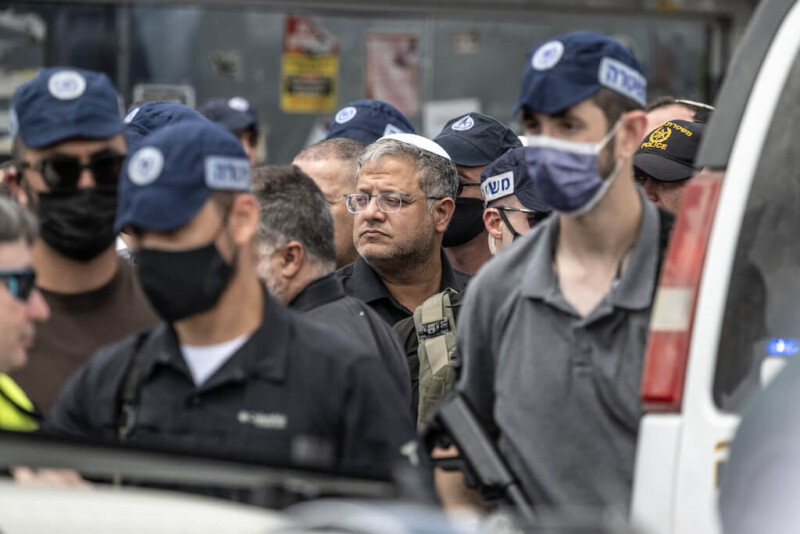
National Security Minister Itamar Ben Gvir has built his public profile in part on provocation, regularly sharing footage of himself mocking or confronting Palestinian prisoners, publicizing threats against a prominent detainee, and championing legislation that broadens the use of the death penalty for Palestinians convicted of terrorism-related offenses. As campaigning intensifies, his messaging has escalated further still.
A recent AI-generated video posted to his campaign account depicted numbered Palestinian prisoners in uniform being funneled along a conveyor belt into a fenced, watchtower-ringed compound, growing visibly gaunt and distressed as the sequence progressed, captioned to suggest a promise fulfilled. The clip drew more than four million views before it was taken down. Ben Gvir has also repeatedly called for prison conditions for Palestinian security detainees to be stripped down to the bare legal minimum.
As the minister overseeing both police and prisons, Ben Gvir wields real institutional power, and his rhetoric has become closely tied to how Israel is perceived internationally. He is widely seen as the most prominent figure among Israel’s far-right politicians, but he is far from alone. Under Israel’s electoral system, parties must clear a 3.25 percent threshold to win seats in parliament — any votes cast for parties that fall short are effectively discarded. That dynamic is fueling fierce competition among right-wing contenders, each trying to carve out distinct, hard-edged positions to survive the cutoff.