
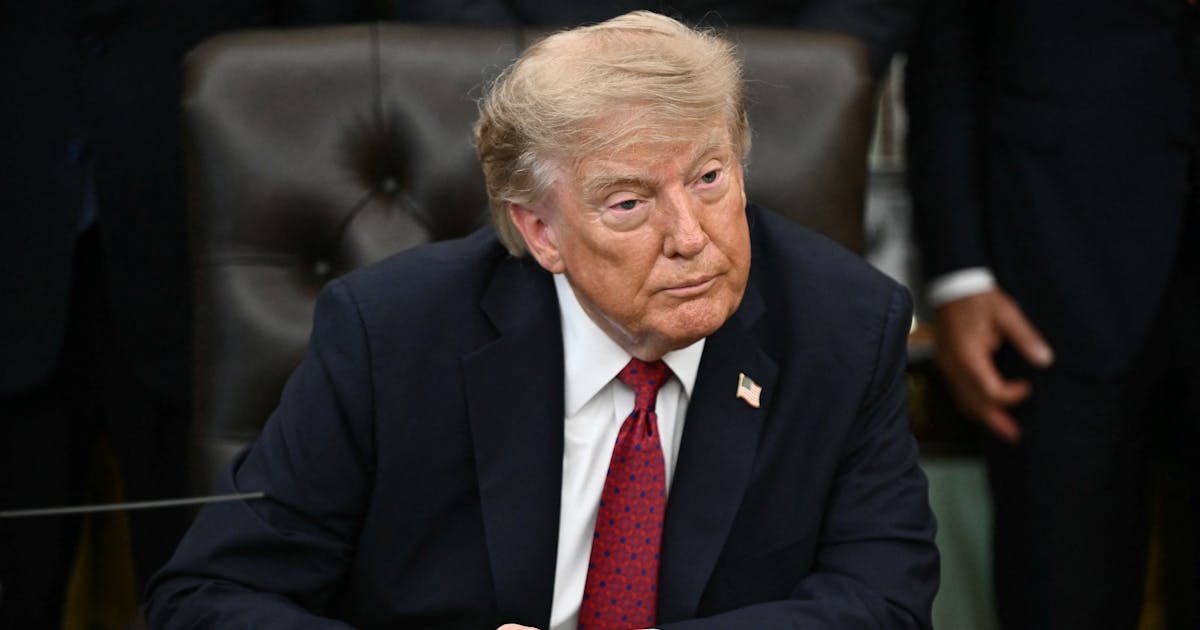
These deluded rants, coupled with Hegseth’s slow Pentagon purge of anyone who isn’t a loyalist, point to something quite dark. Trump’s deep-seated fear of ground operations has (blessedly) kept the war from turning into something even worse, but no bona fide war has ever been won by a combination of air power and economic sanctions alone. There are few signs that anything can bring this conflict to close. When combined with the warnings from top generals about just how overstretched the military is right now, the situation looks even dire—not just for the U.S., but for global stability. And it will probably get worse before it gets better.
It almost certainly will not get better before next year, when the Democrats, assuming the November midterm elections go as expected, will be assuming control of at least one chamber of Congress. It may not improve before the 2028 presidential election, when Iran could be a pivotal issue, either directly (if the war is still ongoing) or indirectly (if the war’s fallout persists—especially the economic impacts, such as massive inflation, caused by the closure of the Strait of Hormuz). And yet, Democrats aren’t really talking much about Iran, beyond using it as a cudgel to damage Trump and Republicans ahead of the midterms.
To be clear, that is the right political strategy. There are few reasons why Democrats should advance their own plans for resolving a thorny geopolitical issue that is entirely Trump’s responsibility. In launching the war, he chose to ignore intelligence reports that suggested Iran would not fall easily—and that it could close the Strait of Hormuz—out of the hubristic belief that massive U.S. airstrikes would generate regime change without having to put boots on the ground. The economic and human consequences of this mistake should be placed solely at the feet of Trump and the Republican Party that enabled him. This is their war, and the Democrats have no reason to help him stop it. Even if they did, he wouldn’t listen anyway.