
(TNND) — Iran fired on U.S. allies across the Gulf on Wednesday in retaliation for American strikes on Islamic Revolutionary Guard Corps (IRGC) targets, widening a conflict that had largely paused for months.
Tensions intensified after U.S. forces struck Iranian rocket launchers on an island in the Strait of Hormuz over the weekend. U.S. officials said Iran planned to use the launchers to fire mines into the strategic waterway.
Iran responded by firing missiles at U.S. bases in Jordan, though all were intercepted. It also launched drones toward Kuwait late Tuesday, which were intercepted, and the United Arab Emirates said it downed an Iranian drone over its waters Monday.
Bahrain, home to a major U.S. naval base, said its air defenses intercepted incoming Iranian fire early Wednesday. Its military accused Iran of carrying out “attacks targeting civilians.”
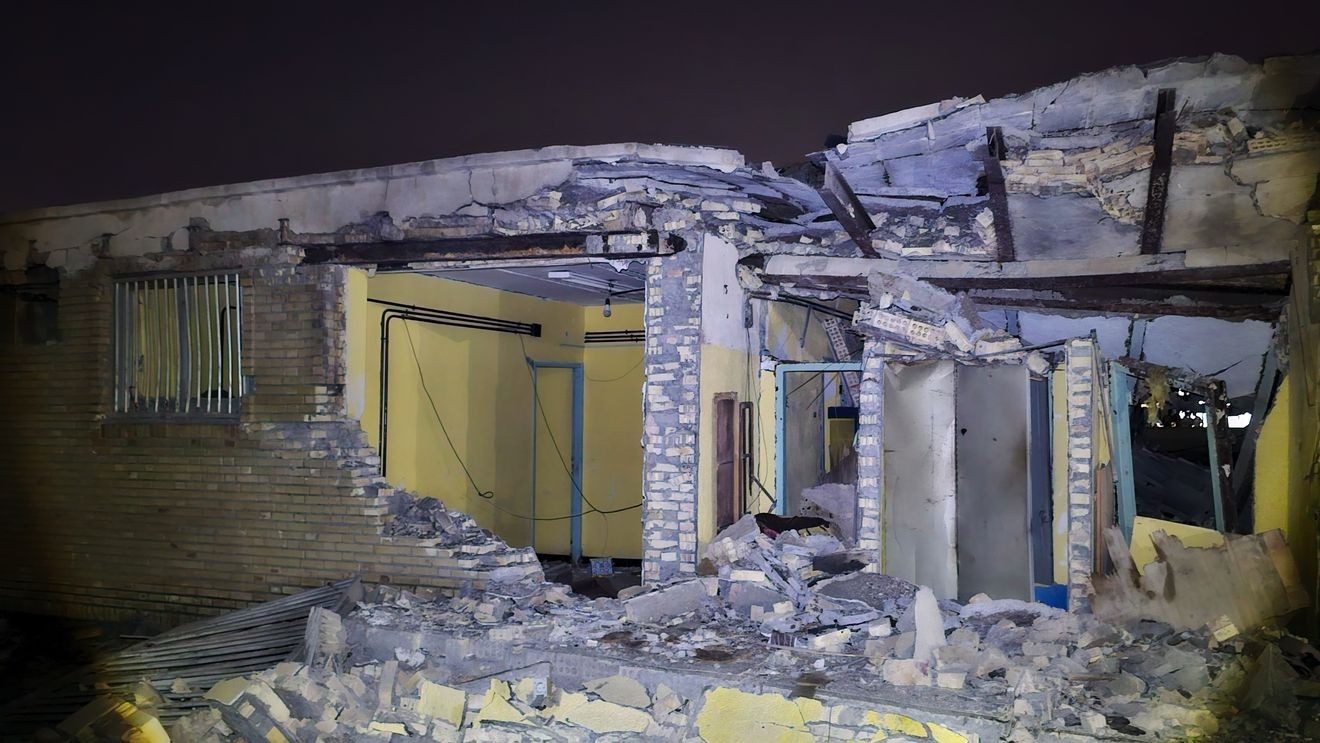
Kuwait’s government communications center said an Iranian drone struck a residential complex in the capital at dawn Wednesday, sparking a fire that was later contained. No casualties were reported.
“You will soon see that Iran’s new strategy on the battlefield, in diplomacy, and in confronting the economic blockade will shatter your foundations,” Mohsen Rezaei, the recently appointed head of Iran’s Supreme National Security Council, wrote on X.
The unrest also spread to Iraq and Lebanon. Kurdish authorities said they intercepted 10 explosive-laden drones near Irbil, while Iranian state television reported U.S. bases in the area had been targeted. Israel’s military said Iran-backed Hezbollah launched two explosive drones at troops in southern Lebanon, with no casualties reported.
U.S. Central Command said Tuesday’s strikes targeted Iranian military infrastructure, including air defense sites, radar systems and maritime assets.
The renewed fighting comes after a period of mounting economic pressure on Iran, whose economy has been battered by soaring inflation, negative growth and a collapsing currency. Washington has sought to fully reopen the Strait of Hormuz, which carried about one-fifth of the world’s traded oil before Israel and the U.S. attacked Iran on Feb. 28 and Tehran largely shut the waterway in response.
Despite repeated U.S. declarations that the strait is open, only a handful of ships have passed through each day as Iran continues to attack vessels. Brent crude, the international benchmark, has risen above $95 a barrel, up more than 30% since the war began.
A ceasefire reached in June quickly unraveled amid exchanges of strikes, and mediator Pakistan said Wednesday it remains engaged with both Washington and Tehran in an effort to restart talks.
Late Tuesday, President Donald Trump said he would not force Iran back to the negotiating table.
“I couldn’t care less if they sign a worthless, to them, agreement,” Trump wrote on Truth Social. “I like our position now much better, with almost total control of the Hormuz Strait, and their economy totally collapsing.”
_____
Editor’s note: The Associated Press contributed to this article.