
By DAMIAN J. TROISE, AP Business Writer
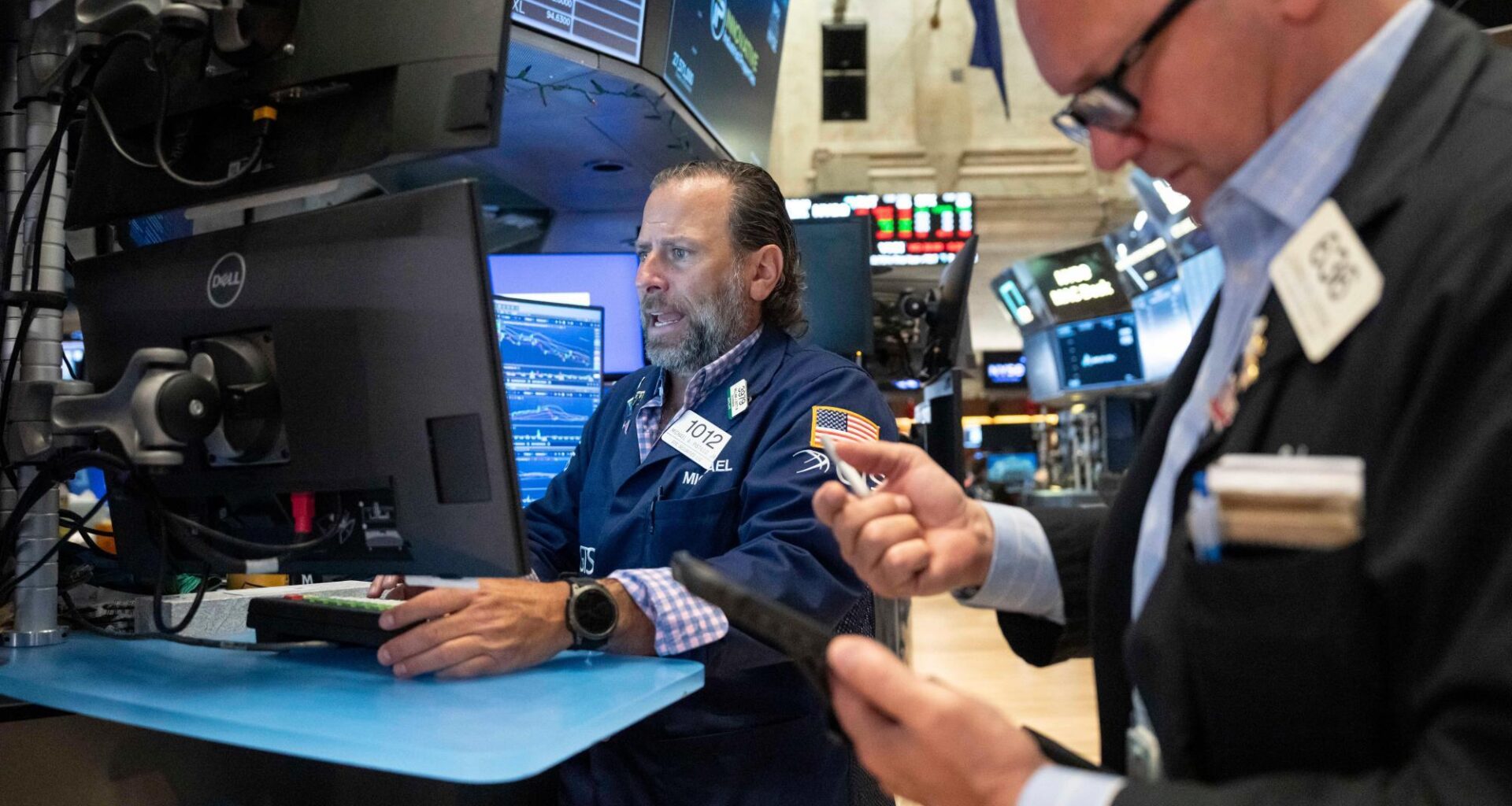
NEW YORK (AP) — Stocks drifted in morning trading on Wall Street Wednesday amid the latest updates on the jobs market and further escalation in the U.S. war with Iran.
The S&P 500 index rose 0.1%. The Dow Jones Industrial Average rose 265 points, or 0.5%, as of 9:58 a.m. Eastern time. The Nasdaq composite fell 0.1%.
Markets were mostly lower in Europe and Asia.
Technology stocks were the biggest force holding the market back. Microsoft fell 0.6% and Broadcom slipped 0.8%. They are among several companies with big market values that tend to have more influence over the market’s broader direction.
Oil prices held relatively steady despite the intensification in the six-month-long U.S. war with Iran. The U.S. attacked site in Iran over the weekend, ending a six-month lull in major hostilities and Iran has since retaliated against sites around the Gulf region.
Prices for Brent crude, the international standard, fell 0.5% to $94.71 a barrel. Energy stocks mostly fell. Chevron edged 0.1% lower after confirming it will expand operations in Venezuela.
A surge in oil prices following the start of the U.S. war with Iran fueled a jump in gasoline prices and global shipping costs. The conflict shut down the Strait of Hormuz, through which 20% of the world’s oil is typically shipped.
Higher energy costs worsened inflation that was already stubbornly high amid a volatile U.S. tariff war with much of the world.
Inflation has been squeezing businesses and households at the same time that the mostly resilient jobs market shows signs of weakening. Payrolls processing firm ADP reported that private-sector employment slipped in August, according to its monthly survey. It is just a small snapshot, though, of the broader jobs market and follows a government report on Tuesday that showed U.S. job openings rose in July.
The big focus this week will be the government’s broader monthly employment report for August, which will be released Friday. The previous report for July showed that the jobs market stalled, with employers cutting positions.
Both inflation and the jobs market have been key focuses for Wall Street and the Federal Reserve.
The Fed is trying to balance its task of supporting employment and taming inflation. Wall Street expects the central bank to raise interest rates before the year ends in an effort to cool inflation, which remains well above 3%. The Fed has a stated goal of cooling inflation to a target of 2%.
The bond market has been selling off, which is a signal that it expects borrowing costs to rise.
The yield on the 10-year Treasury, which tends to impact mortgage rates, held steady at 4.79% from late Tuesday. It has been rising steadily throughout the year and was as low as 4.20% at the beginning of 2026.
The yield on the 2-year Treasury, which closely tracks expectations for Federal Reserve moves on interest rates, held steady at 4.39% from late Tuesday. It is significantly higher for the year, though, and was as low as 3.50% at the beginning of 2026.
Investors are also betting on a 66% chance that the Fed will raise rates at its upcoming meeting in September.
The Fed’s position is growing more complicated. Raising the benchmark interest rate would help cool inflation by making borrowing costs higher and slowing the economy. Doing so, though, could also hurt the employment market at a time when it is seemingly already weakening.