
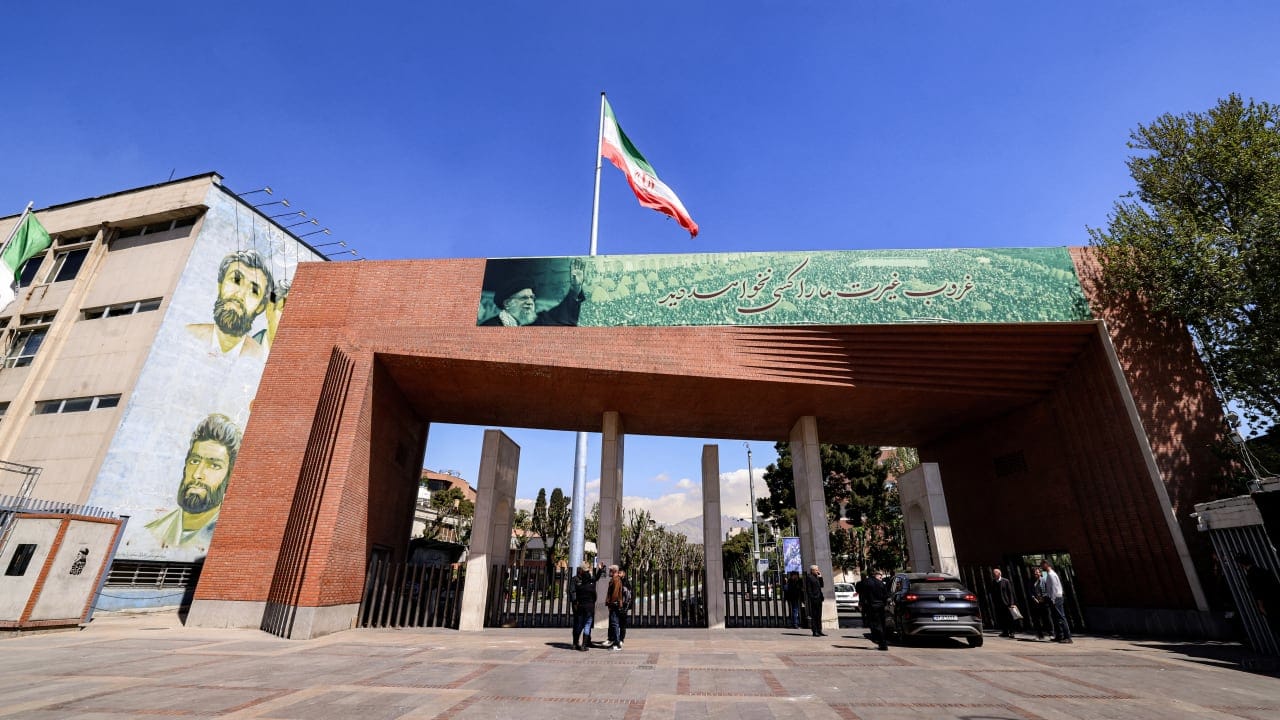
Iranian university professors have threatened to strike and suspend academic activity at universities across the country if their wages continue to go unpaid, according to a statement published by the Iran Academic Faculty Trade Union.
The union has given the Islamic Republic until the end of the Iranian month of Shahrivar, September 22, to restore faculty members’ salaries and make all outstanding payments. If the payments are not made, the union said professors would begin striking on October 1.
Although the legal procedures had been completed and new salary orders issued granting academics a pay raise, the union said many faculty members still face difficulties receiving the full increase, blaming the Planning and Budget Organization for implementation delays.
Claiming that the union had made attempts over the past few months to resolve the issue without disrupting universities, it said that the negotiations held with the relevant officials have not translated into change.
Administrative and Financial Affairs Vice Minister of Science Mehdi Pendar said on August 19 that funding for the resolution’s implementation had encountered obstacles, and that a meeting was convened with the Iranian president and relevant budgetary authorities to resolve the dispute.

Noting that Iran has lost many of its academic leaders to emigration, informally known as Iran’s “brain drain,” the union warned that continuing to neglect the financial needs of professors would cause long-term damage to the country’s higher education system and encourage more to look abroad for opportunities.
In 2023, the director of Iran’s Migration Observatory warned that 67% of employees in the country’s high-tech industry were in various stages of the immigration process, and the Financial Times reported that the number of Iranian students abroad reached record highs in 2024.
Iran’s economy suffers from war, sanctions, internet shutdown, Hormuz blockade
The issue of unpaid salaries comes as Iran’s already struggling economy has come under further pressure from the war with Israel and the United States, new sanctions, an internet shutdown imposed by the regime, and the blockade of the Strait of Hormuz.
Iran’s economic turmoil led to mass protests in December, which were violently suppressed in January. Human rights groups estimate that upwards of 30,000 people were killed by Iran’s security forces in the streets and hospitals.
Despite the violent suppression in early 2026, the economic hardship has led to some renewed demonstrations across Iran, though nowhere near the scale of those seen earlier in the year yet. Iranian jobseekers protested in Gachsaran, Ahvaz, and Tehran earlier this week, according to human rights groups.
Iranian judiciary chief threatens forceful crackdown on renewed demonstrations
In response to the renewed unrest, Iran’s judiciary chief, Gholam-Hossein Mohseni Ejei, threatened a more forceful crackdown on any renewed demonstrations.
“If they once again make the mistake of thinking they can create unrest and riots, they can be certain that they will face a very strong and firm response from the police, security, and intelligence forces, as well as the judiciary,” Ejei said, adding that the response would be “far more decisive than in all previous periods.”