
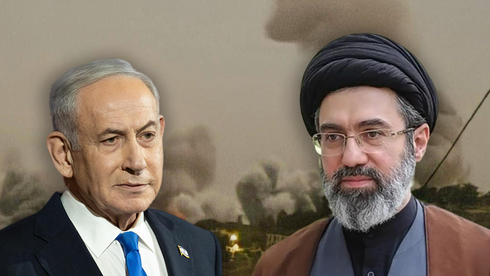
But despite those warnings, threats and reports suggesting the possibility of an escalation with Iran, senior Israeli officials stressed that they had heard of no Iranian intention to act against Israel in the near term.
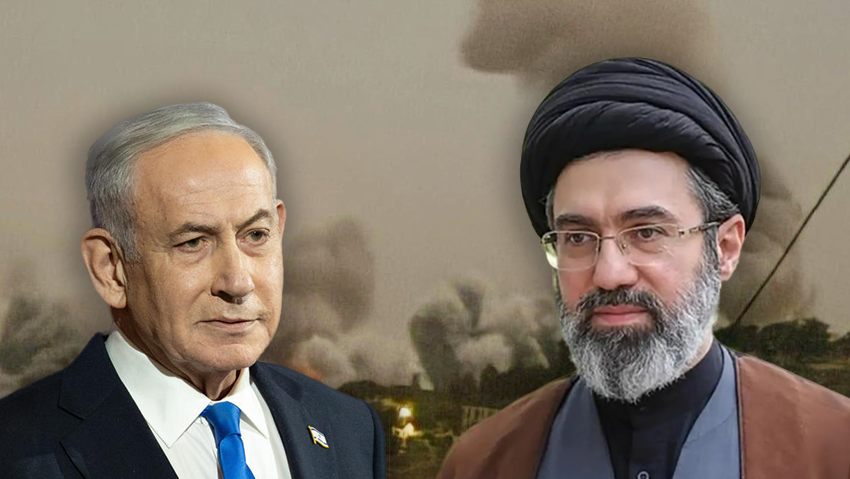 Reuters reported Thursday that Iran had sent a message to the United States last month warning that any “full-scale Israeli attack” on the strategic ridge in Lebanon, where Iranian military personnel were said to be positioned alongside Hezbollah terrorists, would draw an Iranian response. On Thursday night, the IDF said it had established operational control over the ridge, completed clearing it and was preparing to neutralize the site, adding that “some of the terrorists were eliminated and some fled.”The message from Tehran reflects Iran’s direct and continuing involvement in southern Lebanon and its ties to Hezbollah. However, neither the IDF statement announcing the completion of operations to clear underground infrastructure at Ali al-Taher nor a video released by Prime Minister Benjamin Netanyahu mentioned Iranian personnel.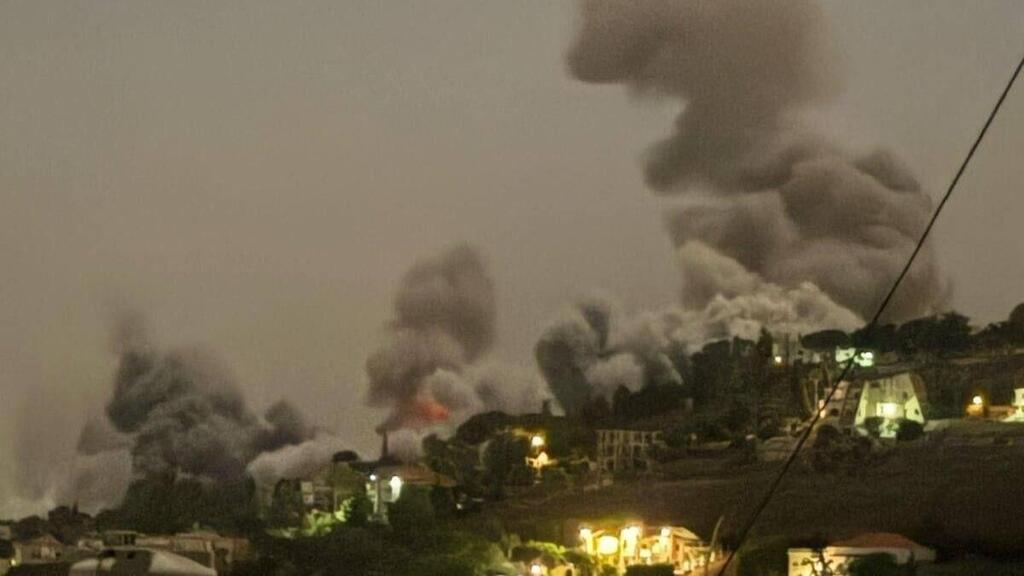
Strikes on the Ali Taher ridge
A senior Israeli official said U.S. President Donald Trump had been raising the tone surrounding the possibility of escalation, but that the concern remained largely general. Still, several developments in recent days have created a sense that “something is happening.”
On Wednesday, Katz told ynet and Yedioth Ahronoth’s “Decision Time: Democracy and Society” conference that “as U.S. pressure on Iran increases, and as the friction and economic pressure on Iran increase, there is a greater likelihood they will attack. They like to attack on Jewish holidays because they hate Jews.”
On Thursday, at a Rosh Hashanah toast at the Defense Ministry, Katz said: “There are signs we are seeing that indicate that the severe economic pressure Iran is under and fears of an uprising and the fall of the regime could push them toward desperate steps.”
He went on to warn that an Iranian attack on Israel would “release us from all constraints” and lead Israel to strike “all infrastructure, including energy infrastructure.”
However, a source familiar with the issue said that “Katz wants to remain relevant and make headlines.” At the same time, officials stressed that there was no special military preparation underway.
That does not mean Israel is failing to prepare for the possibility of escalation. Defensive preparations are ongoing at all times, including for a range of scenarios in which Iran attacks Israel, but there is no assessment that such an attack is imminent. On the contrary, Israeli officials believe Iran has no real interest in drawing Israel into the fighting. Trump also does not want Israel involved, they say, to avoid turning the confrontation into a wider regional conflict.
Speaking at the toast at the Kirya military headquarters in Tel Aviv, Netanyahu said the Iranian regime “is faltering. It is weaker than ever. It is fighting for its survival.”
“I am confident in our ability to remove this threat once and for all. In other words, to topple this regime,” he said. “That is the central mission that still lies ahead of us, but it is close. It is not impossible. It is within reach.”
“They are not avoiding attacking us by accident,” Netanyahu continued. “They are attacking everyone except us. They know our strength, the force of our blows and our determination. I say to our enemies: Don’t mess with us.”
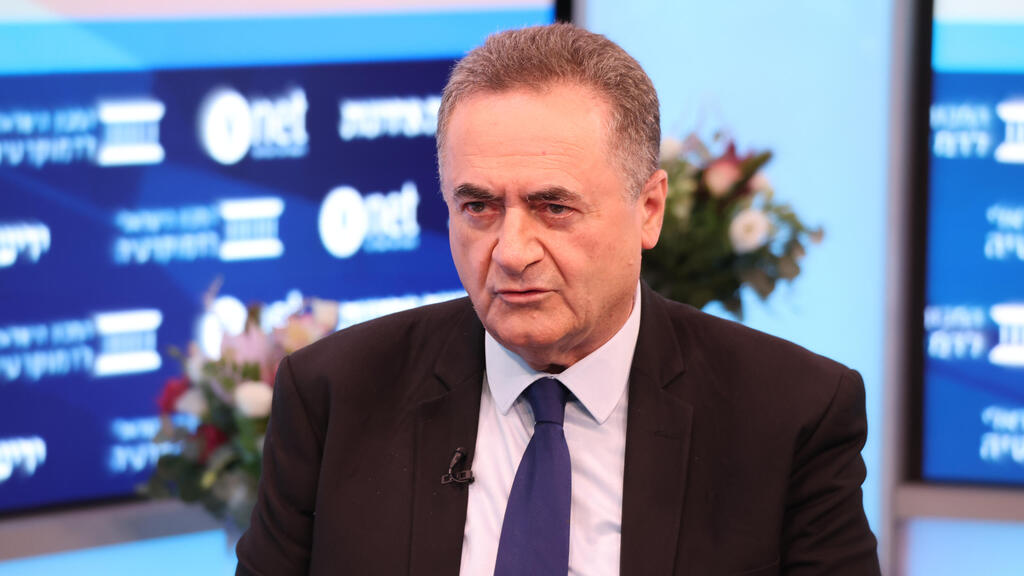
Katz at the ynet conference Wednesday
(Photo: Yariv Katz)
In any case, the Jewish holiday period is always considered particularly sensitive in Israel, and Katz therefore felt a need to strengthen deterrence against Iran to prevent Tehran from being tempted to attack.
At the same time, the professional assessment within the IDF and the defense establishment is that Iran has no concrete intention of acting against Israel, and there has been no change in the military’s level of preparedness.
Meanwhile, U.S. Vice President JD Vance again blamed Europe on Thursday for high fuel prices, saying the increase was being driven by Iranian attacks on commercial shipping. He argued that the situation underscored what he described as the decline of Washington’s European allies and their inability to do more to help maintain a steady supply of energy to global markets.
Vance questioned why the United States should be the only country capable of ensuring that global energy markets remain adequately supplied.
Despite exchanges of fire this week between the United States and Iran, Vance said he would not characterize the situation as a war, noting that there was no active shooting at the time.
He said the United States was using a range of measures to pressure Iran to stop targeting commercial shipping, while acknowledging that Tehran was still likely to continue such attacks.
Vance added that Washington had many additional tools available, some of which President Donald Trump might use and others he might not. He said all options remained under consideration, including economic, military, diplomatic and covert pressure.
He also rejected the suggestion that the United States was doing too little against Iran, arguing that the alternative would be far more costly. According to Vance, Gulf Arab states had urged Washington not to pursue that alternative, as had several other countries, including European nations.
Vance said the U.S. message to Iran had remained unchanged from the outset: Tehran must stop firing on commercial shipping.
On negotiations, he said Trump had made clear that the United States was not in talks with Iran and would not enter talks unless Iran stopped attacking commercial vessels.