

Listen to this article
Estimated 3 minutes
The audio version of this article is generated by AI-based technology. Mispronunciations can occur. We are working with our partners to continually review and improve the results.
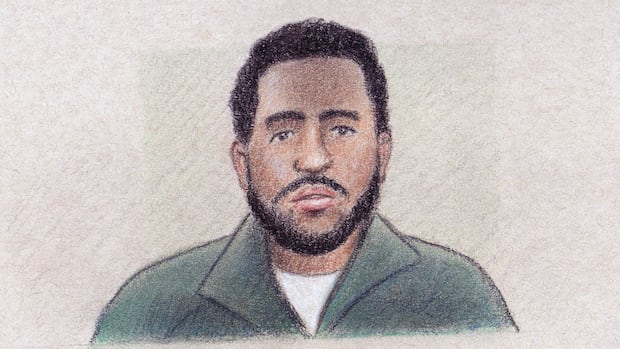
A man who set a fire in a residential Ottawa highrise that killed a three-year-old girl in 2024 — months after he stopped taking his anti-psychotic medication — has been sentenced to life in prison for murder and has also received sentences for the serious injuries of the girl’s mother and sister.
Saeed Mohamed set the fire on the third floor of the tower at the east end of Donald Street at about 6 a.m. on May 2, 2024. He poured a trail of gasoline in the hallway, set it ablaze and fled.
The fire and smoke sent 250 people to a nearby community centre for help and another eight people to hospital, including a mother and her two young daughters.
Three-year-old Karima Moustapha died of her injuries several days later. Her mother and sister were critically injured but survived.
Her mother suffers from persistent nightmares — many of them about fires, trying to escape, trying to save her children, and of someone trying to hurt or kill her, Justice Anne London-Weinstein told court, recapping victim impact statements from an earlier hearing.
The mother goes to therapy but finds it difficult to talk about the events of that morning. People don’t understand her, and she feels isolated and withdrawn. Her surviving daughter can’t sleep alone, and both of them have burn scars that constantly remind them of what happened.
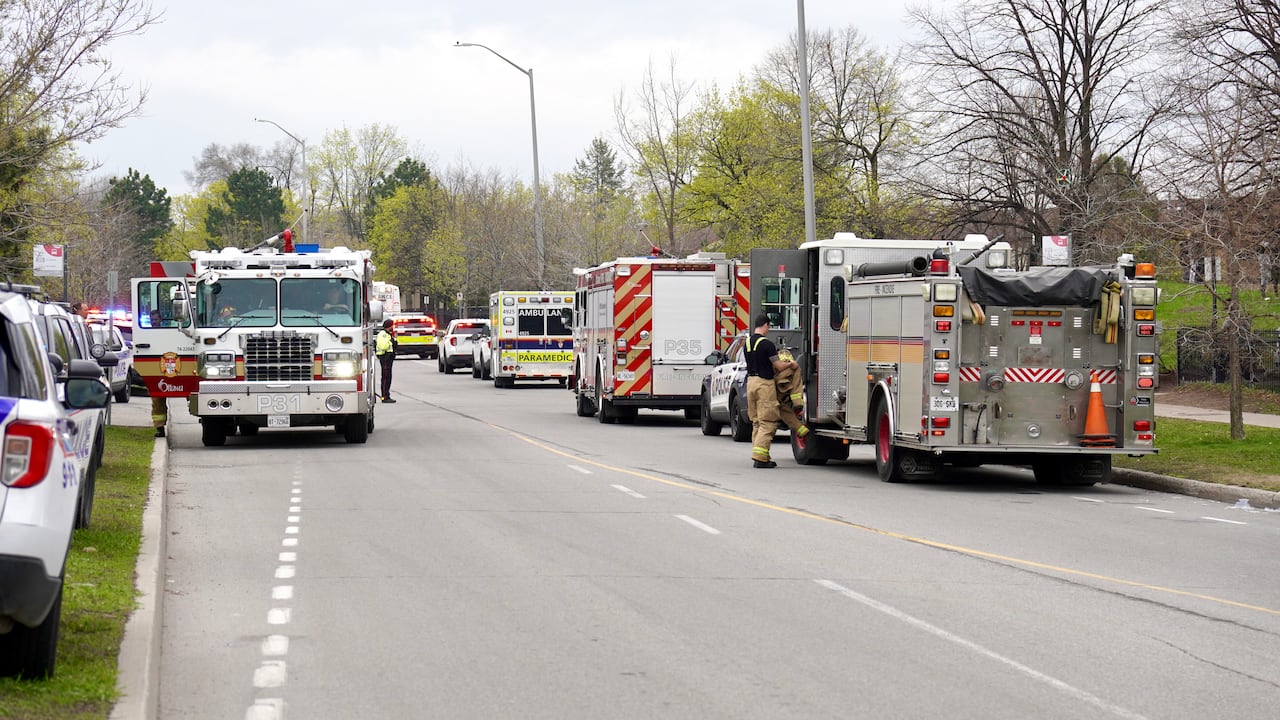 Emergency crews line Donald Street after the 2024 fire. (Patrick Louiseize/CBC)
A jury found Mohamed guilty of first-degree murder and two counts of arson with disregard for human life causing bodily harm in May this year.
The murder conviction carried an automatic sentence of life in prison with no chance of parole for 25 years.
On Friday, London-Weinstein handed down two 20-year sentences for the arson counts, all to be served concurrently.
Mental illness is a mitigating factor in criminal cases, can reduce an offender’s moral culpability, and has to be factored in for sentencing, but London-Weinstein said that in these circumstances, the need to protect the public is more important.
Court heard that the 2024 fire caused about $1.6 million in damage to the building. One resident with smoke inhalation developed severe pneumonia and had to be treated in an intensive care unit for a week, and a woman with six-year-old triplets was forced to live in a shelter, London-Weinstein said.
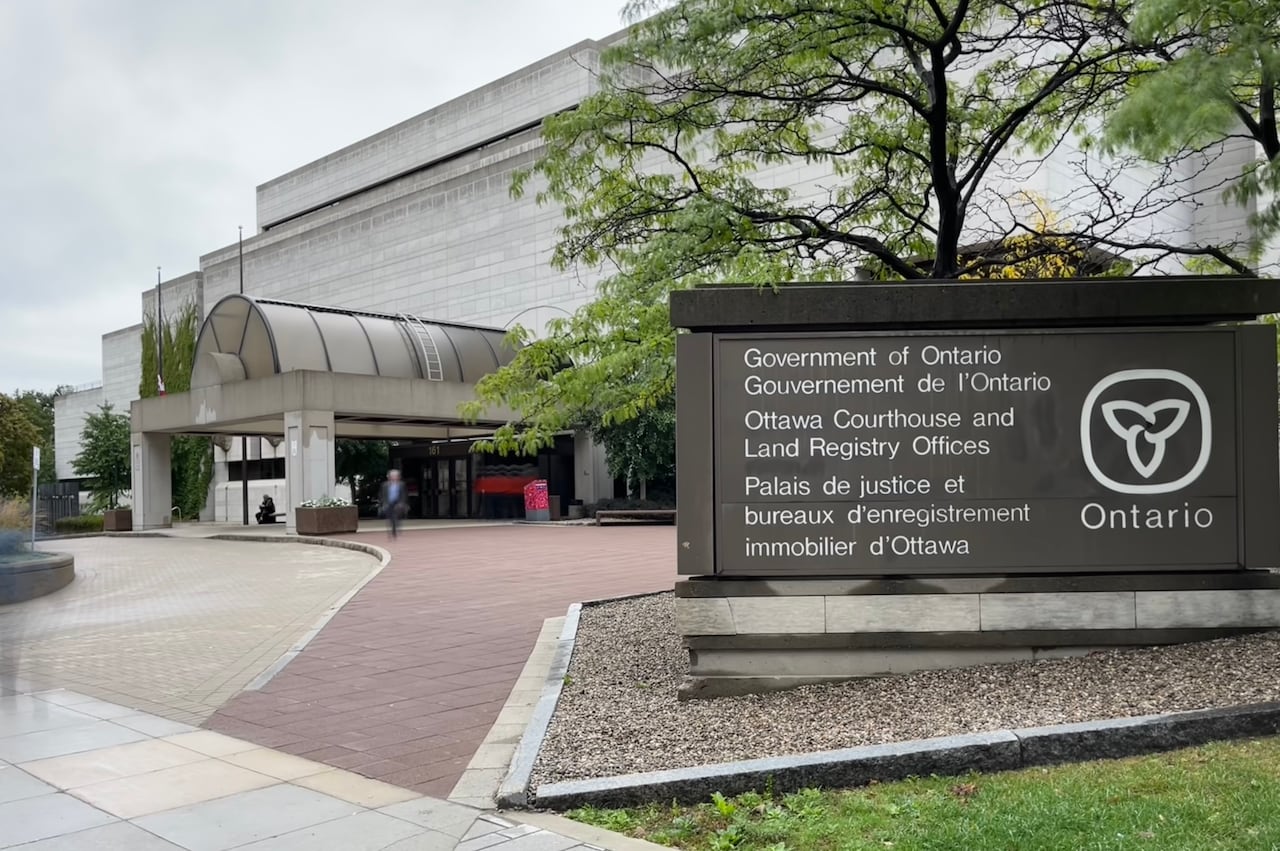 The Ottawa Courthouse on Elgin Street in September 2022. (Matthew Kupfer/CBC)
It was not Mohamed’s first arson.
In a strikingly similar set of circumstances in 2016, he lit a trail of gasoline on fire in a third-floor hallway of his apartment building in Sandy Hill, causing about $25,000 in damage.
For that Mohamed was convicted of arson with disregard for human life, and while no one was hurt or killed, Ontario Court Justice Mitch Hoffman warned Mohamed in 2018 that he was at risk of becoming a mass murderer, London-Weinstein told court.
Hoffman also imagined the fear that anyone living near Mohamed would have if they knew what he had previously done.
London-Weinstein called Hoffman’s words “hauntingly and terribly prophetic.”
Mohamed has 30 days to decide whether to ask for an appeal.