
Your support helps us to tell the story
From reproductive rights to climate change to Big Tech, The Independent is on the ground when the story is developing. Whether it’s investigating the financials of Elon Musk’s pro-Trump PAC or producing our latest documentary, ‘The A Word’, which shines a light on the American women fighting for reproductive rights, we know how important it is to parse out the facts from the messaging.
At such a critical moment in US history, we need reporters on the ground. Your donation allows us to keep sending journalists to speak to both sides of the story.
The Independent is trusted by Americans across the entire political spectrum. And unlike many other quality news outlets, we choose not to lock Americans out of our reporting and analysis with paywalls. We believe quality journalism should be available to everyone, paid for by those who can afford it.
Your support makes all the difference.Read more
The US war with Iran is likely to last another six months, according to former defence secretary Leon Panetta.
Six months after US-Israeli strikes against Iran, the war has reached a stalemate after a preliminary ceasefire plan unravelled.
Little progress has been made in diplomatic efforts to get the peace process back on track, after negotiations broke down in June.
Mr Panetta, who was defence secretary under President Barack Obama and has also served as director of the CIA, said in an interview that Donald Trump’s war in Iran risks becoming another “forever war in the Middle East”.
He told The Guardian: “It’s no mystery that the United States and Iran are caught in a terrible stalemate, in which there really are very few options available to bring this war to an end.”
He added: “I think the likelihood is this war is going to continue for another six months without being resolved.”
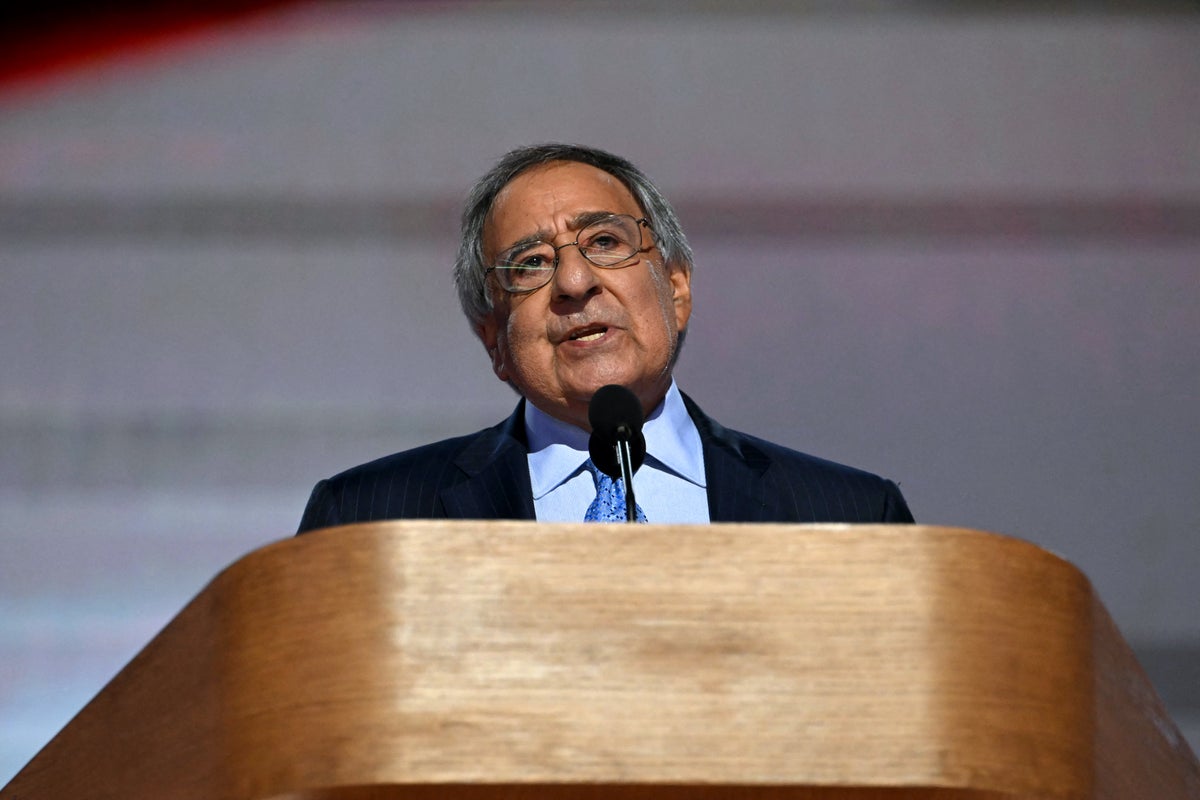
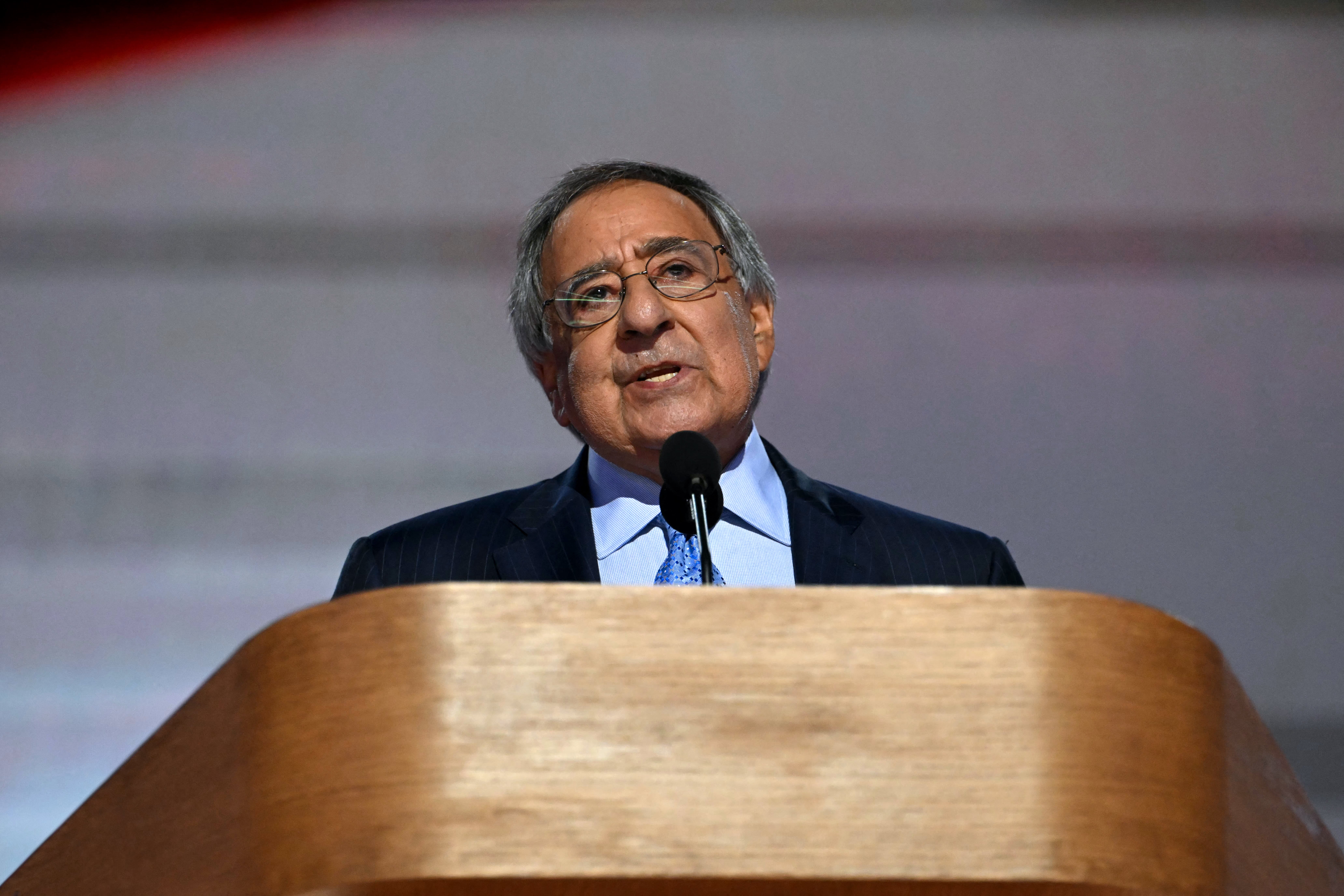 Former US Secretary of Defence Leon E. Panetta (AFP/Getty)
He said that reports of tensions between staff at the Pentagon were weakening the United States’ standing, saying: “Whether it’s Iran, or whether it’s our adversaries, they’re now looking at the United States, and see weakness in terms of our ability to be able to really implement our military capability of defending our country.”
“What I’m concerned about is that we’re sending a message of weakness to our primary adversaries,” he said.
His comments come as Iran said it would step up efforts to counter the economic problems created by US sanctions.
US Central Command said it had hit three Iranian tankers on Saturday after Iran’s Islamic Revolutionary Guard Corps launched ballistic missiles at two US navy ships.
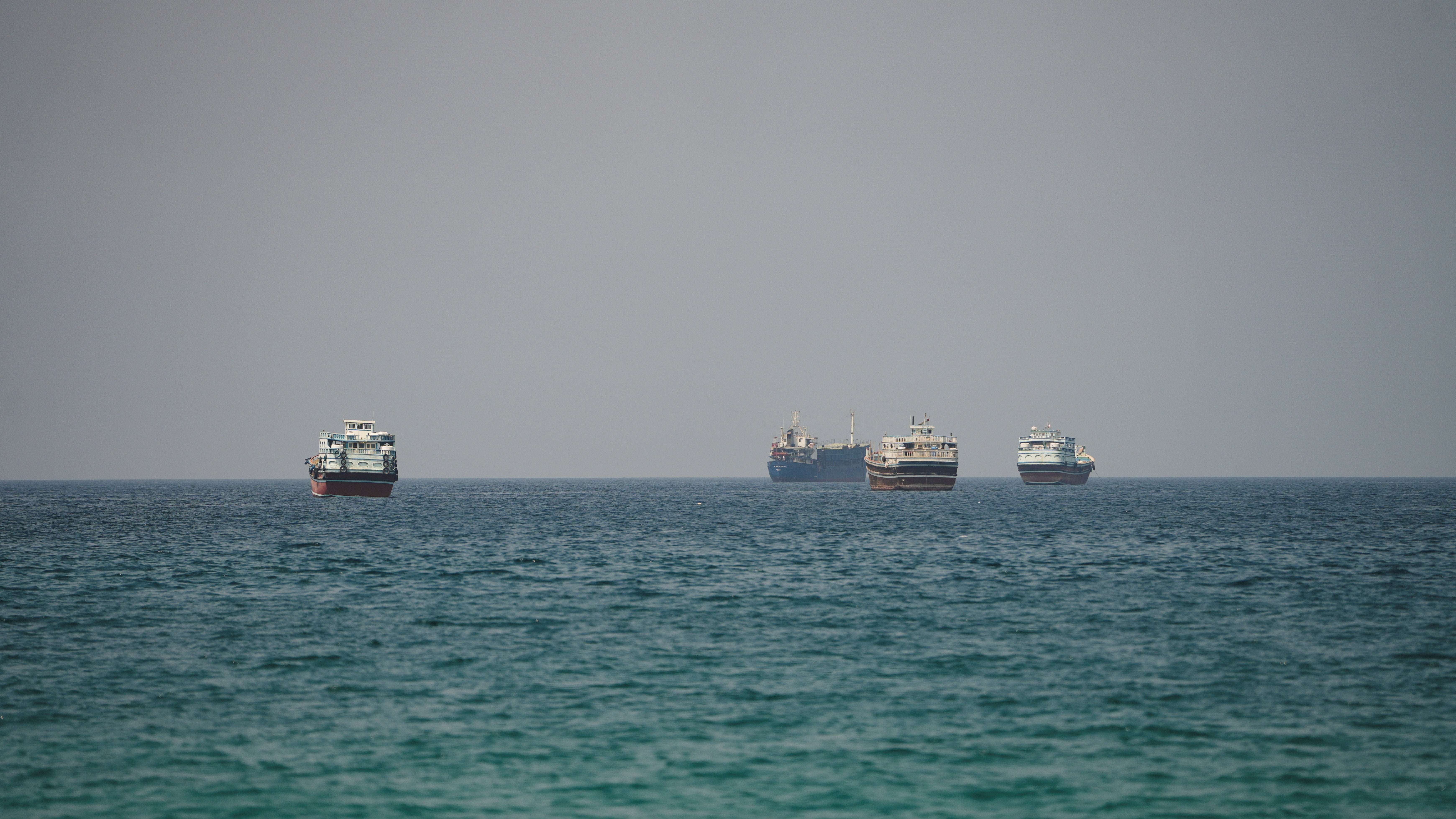 Vessels at the Strait of Hormuz, as seen from Musandam, Oman, September 6, 2026. Oil is getting through the waterway, US energy chief said (Reuters)
Iran’s parliament speaker Mohammad Baqer Qalibaf said on Sunday that the US should understand that the rules of the game in the war against Iran have changed “before it is too late”.
He added: “From now on, any attack against Iran’s interests and security will receive a faster, heavier and more painful response.”
However three senior Iranian sources told Reuters that the US blockade of Iran’s oil exports was growing increasingly difficult to withstand.
US energy secretary Chris Wright said that despite Iran imposing a blockade on the Strait of Hormuz oil was getting through the waterway. He told CNN: “Our transits through the Strait are averaging over 9 million barrels a day now, and with the access pipelines that go around the Strait, we’re probably two thirds or more of pre-conflict flows. So Iranians are still causing trouble, but the United States Navy is winning that battle.”
Agencies contributed to this report.