
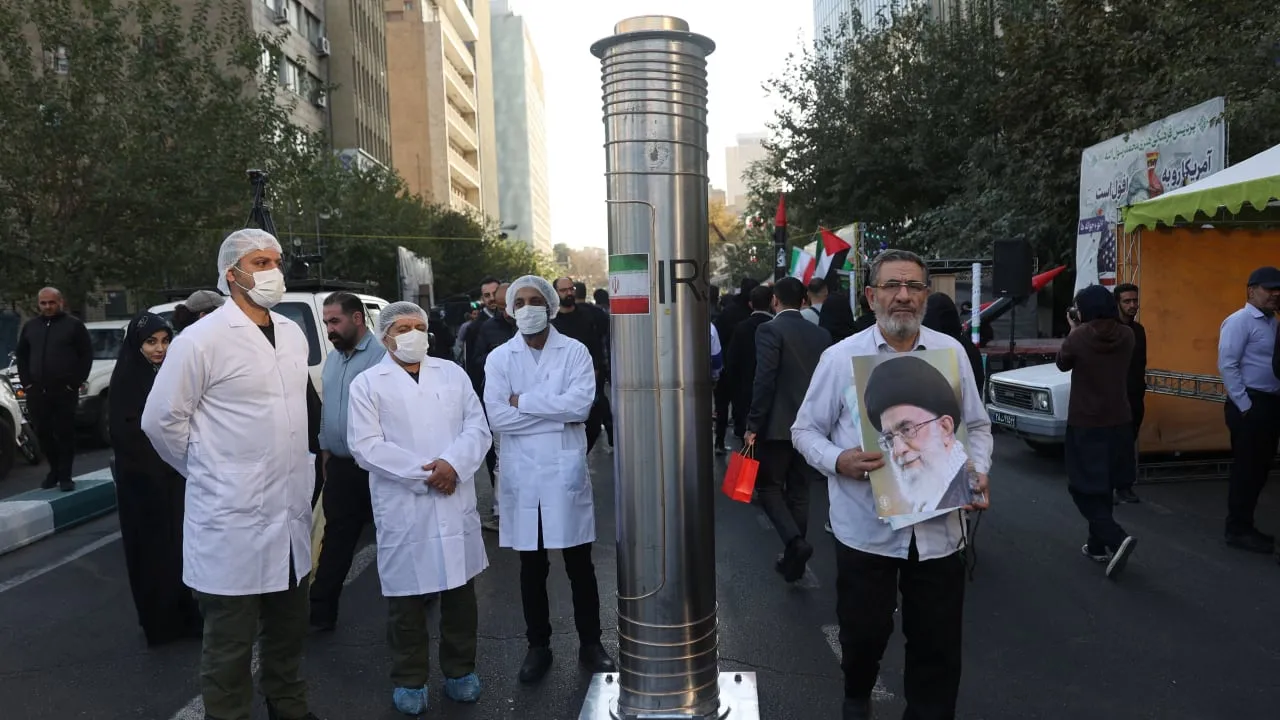
Despite Israeli wins against Iran’s nuclear program in June 2025 and early 2026, multiple sources have told The Jerusalem Post that the potential future danger from that program remains real, even though there is nothing imminent.
The Post has learned that the positives are that Iran is currently not operating centrifuges to enrich uranium, that its 60% and 20% enriched uranium is not yet easily accessible, and that the vast majority of the Islamic Republic’s nuclear facilities were made inoperable by the two major rounds of strikes.
Those are no small achievements, setting back Iran’s nuclear program in many ways even more than it was pushed back during “pause” periods from 2003-2007 and from 2015-2018, when large portions of Tehran’s nuclear program were frozen, but not broken, and other portions were still being clandestinely expanded.
Yet the Post understands that, despite these achievements, the potential nuclear threat remains more serious than hoped for in the periods immediately after the wars in 2025-2026.
Each nuclear program point has a great improvement for Israel, and each has a gap of concern.
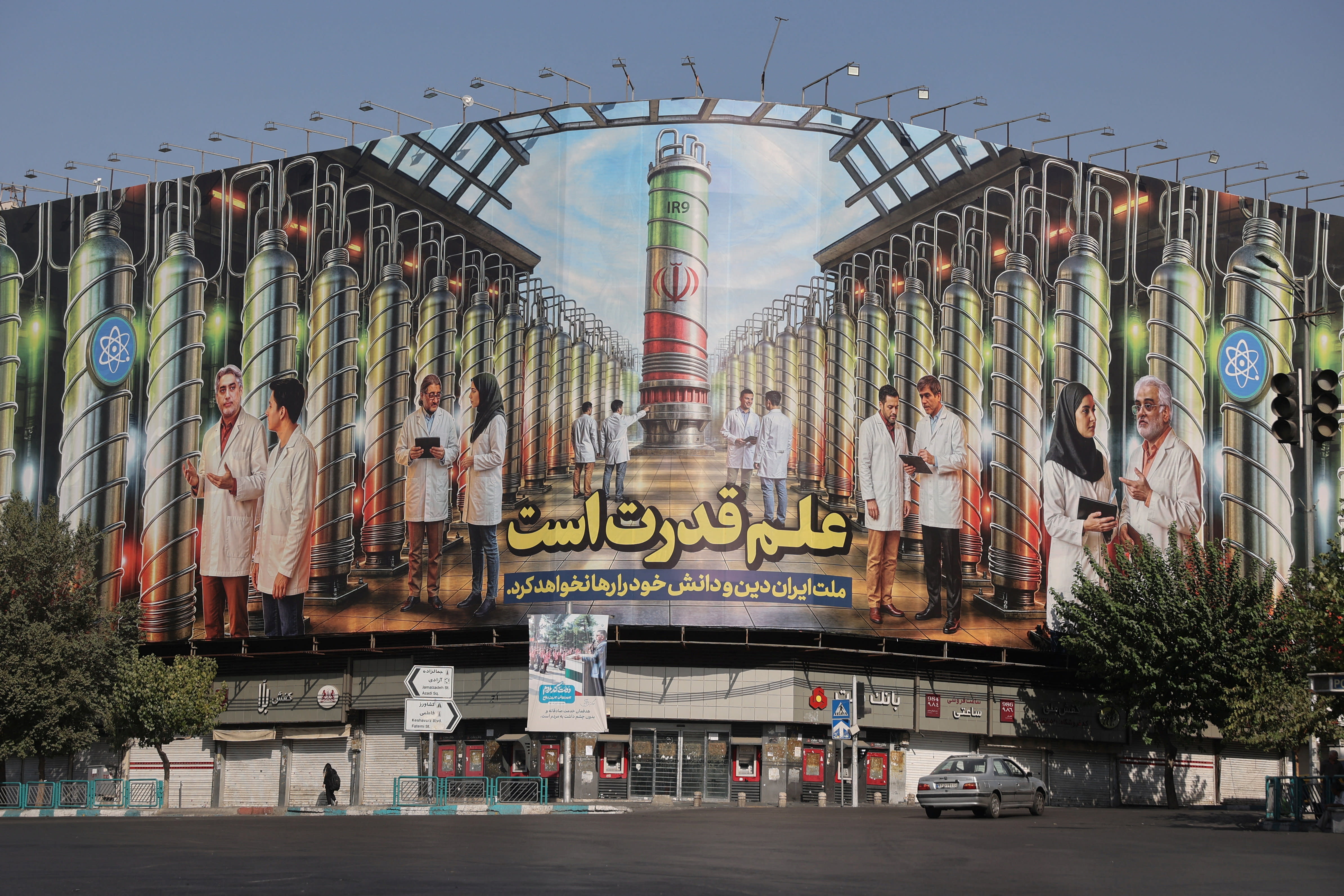
On one hand, the vast majority of Iran’s 20,000-centrifuge fleet was eliminated or broken. On the other hand, a sizable volume of centrifuges survived deep underground.
Multiple sources have warned the Post that even if only a few hundred advanced IR-6 centrifuges can be salvaged and reconnected to their cascades at some medium-term point, that could be enough, at some later undefined point, to secretly weaponize enough uranium for a weapon.
Tehran could develop clandestine digging strategy around enriched uranium, sources warn ‘Post’
Separately, multiple sources have cautioned that Tehran could develop a clandestine digging strategy to extract its 60% and 20% enriched uranium from under rubble and underground in a way that circumvents US and other surveillance.
Regular satellite reports from the Institute for Science and International Security and others already show that the regime is constantly adding structures to cover certain areas from ongoing satellite coverage.
In these reports, the Iranians are portrayed as digging in a wide number of areas, many of which are at a distance from the primary portion of any given nuclear facility that was attacked.
It could take months or even years to dig underground from a distance in order to smuggle out the 60% enriched uranium, or in some cases 20% enriched uranium. But possibly secretly transferring as little as one-tenth might be sufficient to have a basis for a nuclear bomb.
IAEA has been blind to Iran’s nuclear program since 12-day June 2025 war, Grossi says
Keeping tabs on all of these issues is harder than ever in some ways, with the IAEA completely blind to Iran’s nuclear program since at least June 2025, according to a statement by the agency’s Director-General, Rafael Grossi, to its Board of Governors on Monday.
Grossi said, “As stated in the report…the Agency has neither received information from Iran regarding the status of its declared nuclear material or facilities nor had access to any of those facilities to conduct in-field verification activities. Therefore, the Agency was unable to discharge its safeguards responsibilities under the NPT Safeguards Agreement at declared nuclear facilities in Iran.”
Sources do not expect Iran to outplay Israeli and American intelligence, but they also do not want to underestimate the Iranians’ frequently shocking resourcefulness.
According to sources, this may mean that the crux of keeping Tehran’s nuclear program “in the box” may shift again, to some extent, from uranium enrichment to holding back any weapons group activities.
Though less in the headlines, one of the top focuses of Israeli strikes on the Islamic Republic’s nuclear facilities was not only the enrichment sites, but also the facilities for converting enriched uranium into uranium metal and for developing hemispheres in order to place them on a nuclear warhead.
Absent these and other assets, even a significant volume of weaponized uranium does not really help Iran because it will not be able to launch the uranium on a missile at Israeli territory 1,000 or more kilometers away.
Sources have told the Post that preventing Iran from rebuilding such weapons group facilities is one of the primary missions now of Israeli intelligence. So far, the Islamic Republic has made no real progress in this area.
In essence, Iran’s nuclear program is far more damaged than some critics have said, yet there are also vulnerabilities in the surviving remainder of the program that top Israeli officials, both defense and political, were not prepared to acknowledge immediately after each operation.
This means Tehran’s nuclear program was delayed by some years, along with its ability to rebuild the parts of the program that were struck. However, in other ways, Iranian ingenuity means that Israel remains threatened, even if the danger is currently reduced and less imminent.