
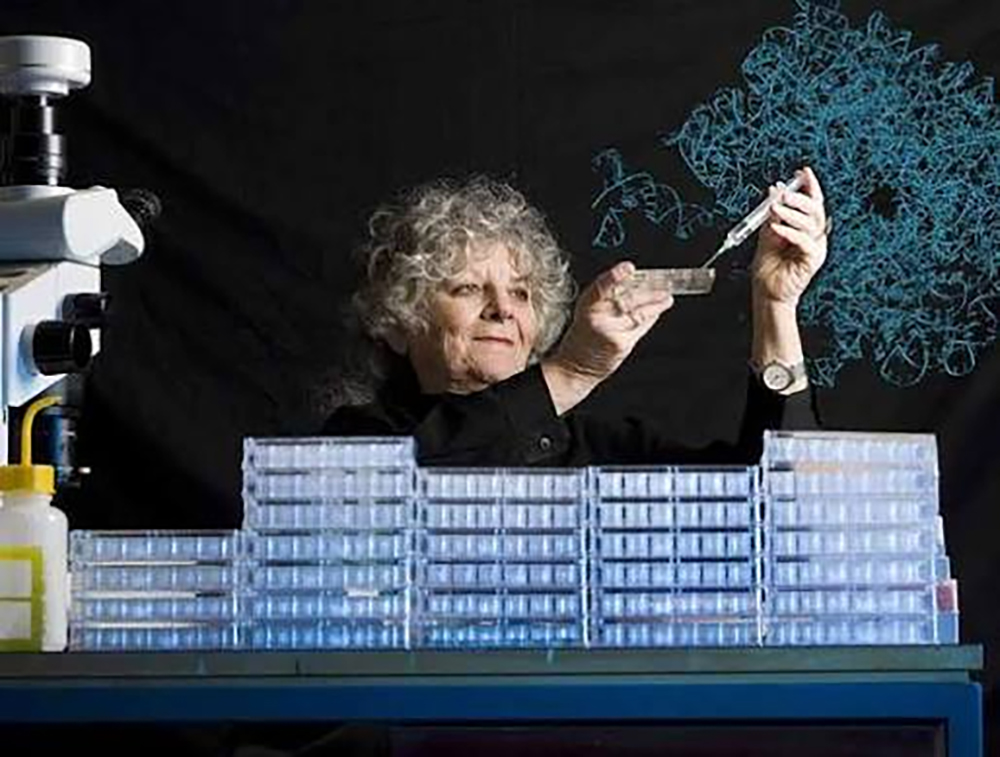
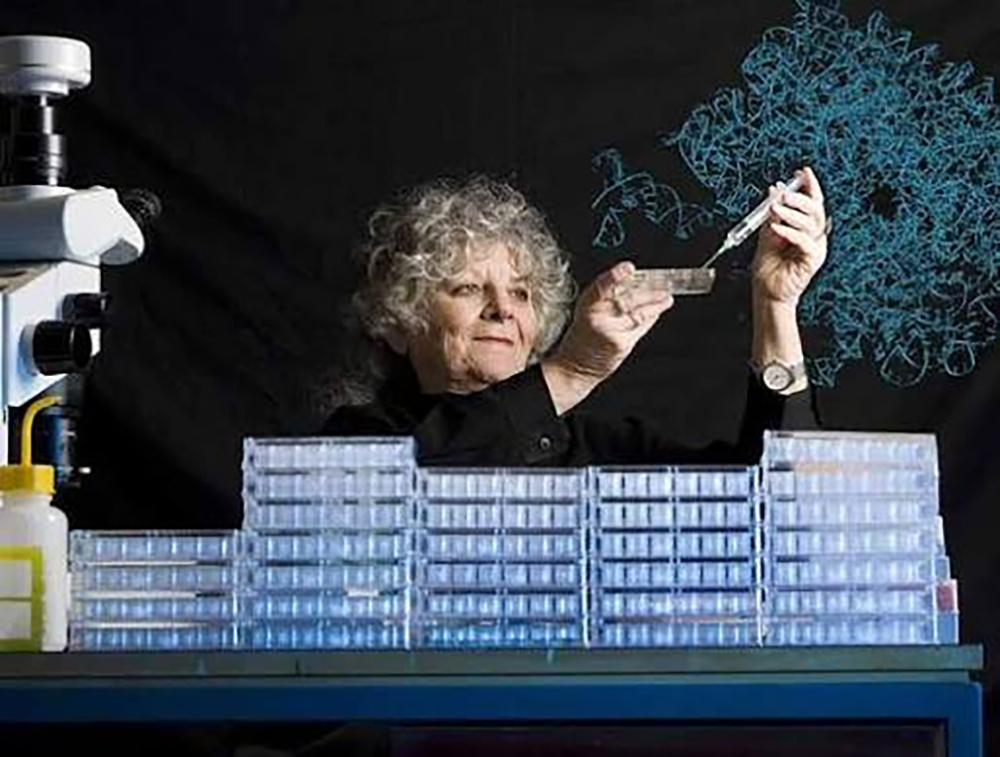
 Professor Ada E. Yonath with dishes used for crystallization experiments. (Credits: Micheline Pelletier/Corbis)
Israel is at the center of my DNA.
I met my wife Frieda while a graduate student at the Hebrew University in Jerusalem. After many visits to Israel, we celebrated our 50th wedding anniversary by taking our children, daughter-in-law and grandchildren to Israel back to the synagogue where we met at the Hebrew University. We studied the reality of Israel with a Jewish educator.
I feel very close as an academic to my colleagues in Israel — who are regularly ostracized and maligned by the uninformed of the world.
We should, therefore, at Rosh Hashanah 5787, celebrate the reality of Israel. The reality of Israel is best represented by Dr. Ada Yonath.
Israeli Professor Dr. Ada Yonath just passed away. Born in 1939 in Jerusalem, she died on Aug. 31. She grew up in poverty. Her father barely made a living as a rabbi in Jerusalem and grocer. She had to share a cramped apartment as a child with her mother’s sisters and their family. After the death of Ada‘s father at age 11, she took on odd jobs to help pay her high school tuition.
She served for two years in the Israel Defense Forces and then got her degrees in Israel, including a doctorate at the Weizmann Institute, focusing on x-ray chemistry. Dr. Yonath was the first Israeli woman to receive the Nobel prize.
The ribosome is the microscopic factory inside every living cell that builds the proteins necessary for human life. She mapped the ribosome at the Weizmann Institute in Israel, which led to the design of antibiotics at a time when drug resistance had become a global threat.
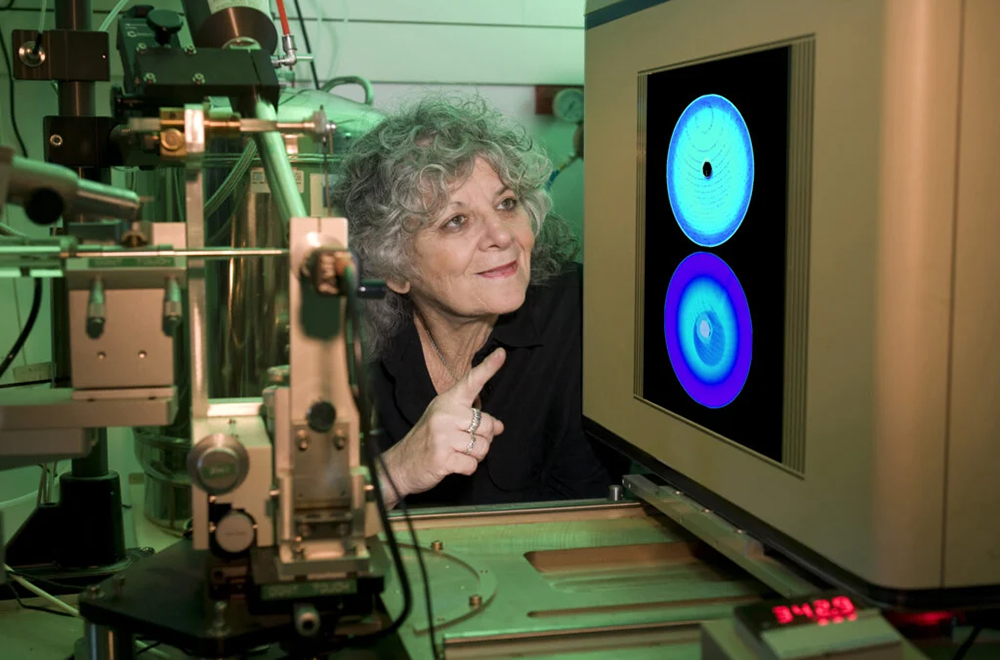 Ada E. Yonath with x-ray diffraction equipment.
As the Nobel Committee said, “Ever since she was a girl, Ada Yonath has set herself seemingly impossible goals and then figured out how to reach them, step by step. As a young scientist she took on a challenge that others considered hopeless — mapping the structure of the ribosome — and persevered for decades until she succeeded. Her determination and ingenuity allowed researchers to see and understand the complex and crucial molecule. And since the ribosome is a major bacterial target for antibiotics, her work has led to new antibiotics and a better understanding of antibiotic resistance.” (www.nobelprize.org/stories/women-who-changed-science/ada-yonath)
Her work revealed how more than 20 antibiotics attach to ribosomes, which helps scientists fight drug-resistant bacteria.
While the world complains about Israel and how bad we are, the truth is we instead produce Dr. Yonath who helped drug designers manufacture more effective antibiotics.
At Rosh Hashanah 5787, we have a sacred obligation to tell the world the truth about Israel. We do not commit genocide but value every human life. While the uninformed complain about Israel, we instead produce the antibiotics to save the lives of all human beings.
May Dr. Yonath’s memory be for a blessing.
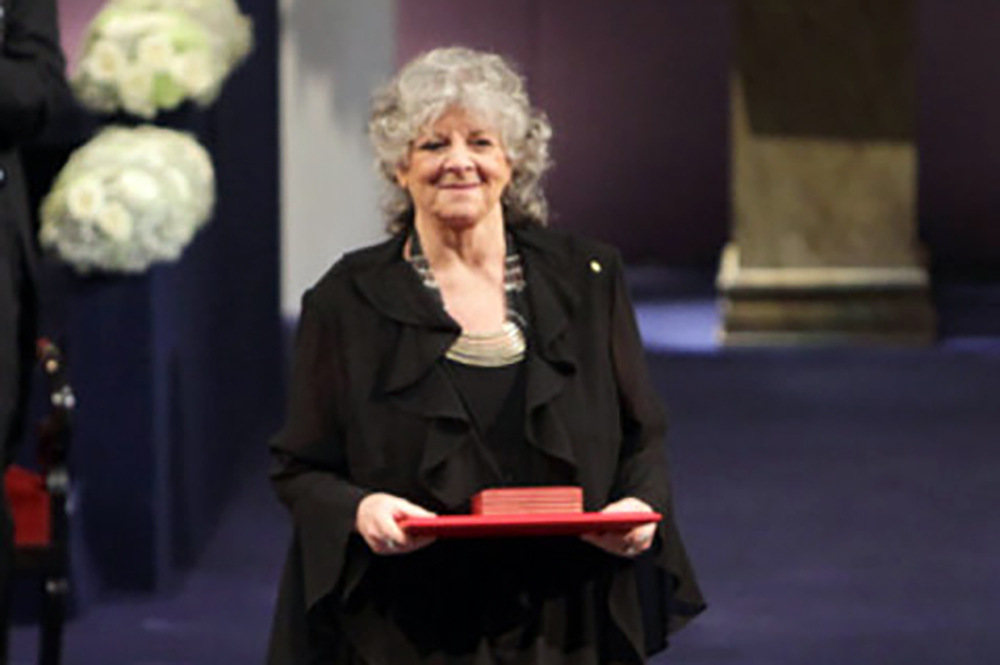 Ada Yonath after receiving her Nobel Prize at the Stockholm Concert Hall, Dec. 10, 2009.
Dr. Steven Huberman is founding dean emeritus and professor of social work at Touro University’s Graduate School of Social Work.