
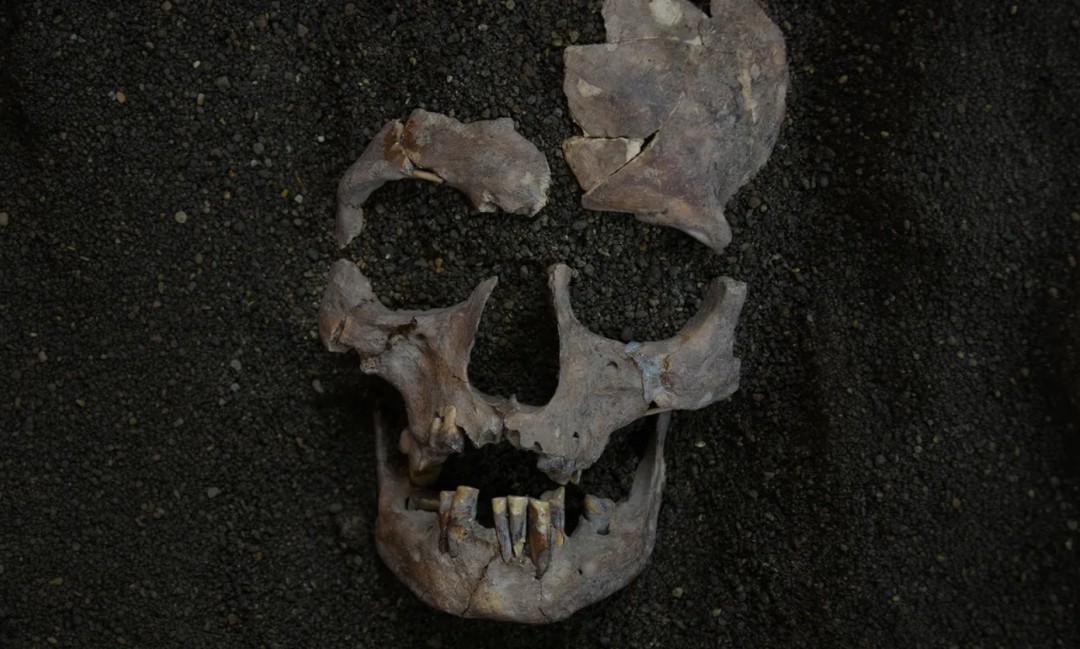
An ancient toothache may have given researchers their earliest look yet at habitual drug use among humans. Archaeologists studying two sets of human teeth from caves on Indonesia’s Sulawesi island say distinctive grooves and chemical traces show people there were sucking on betel nuts, also known as areca nuts, as long as 16,000 to 25,000 years ago. The nut, still used by hundreds of millions today, releases a stimulant called arecoline. Sucking a nut would’ve “made the mouth numb,” per Live Science.
Though previous research has shown Neanderthals chewed tree bark to release the active ingredient in aspirin, the findings published in Science Advances push confirmed drug use among Homo sapiens back as much as 12,000 years beyond the previous record of 13,000-year-old beer from Israel, reports the New York Times. They also offer the earliest evidence of habitual use of plant-derived drugs, according to the study.
The team suspects the nuts were first used as a painkiller, then created a damaging cycle of reliance that wrecked teeth. Evidence showed that sucking on the nuts over long periods wore teeth down to the pulp. “Over time it made their dental problems much worse, and so they became more and more dependent on sucking that nut,” lead study author Adam Brumm of Griffith University tells the Times, which notes the finding also offers an early look at “the cycle of addiction.”