
Wednesday 20 August 2025 7:45 am
| Updated:
Wednesday 20 August 2025 3:53 pm
Share
Facebook Share on Facebook
X Share on Twitter
LinkedIn Share on LinkedIn
WhatsApp Share on WhatsApp
Email Share on Email
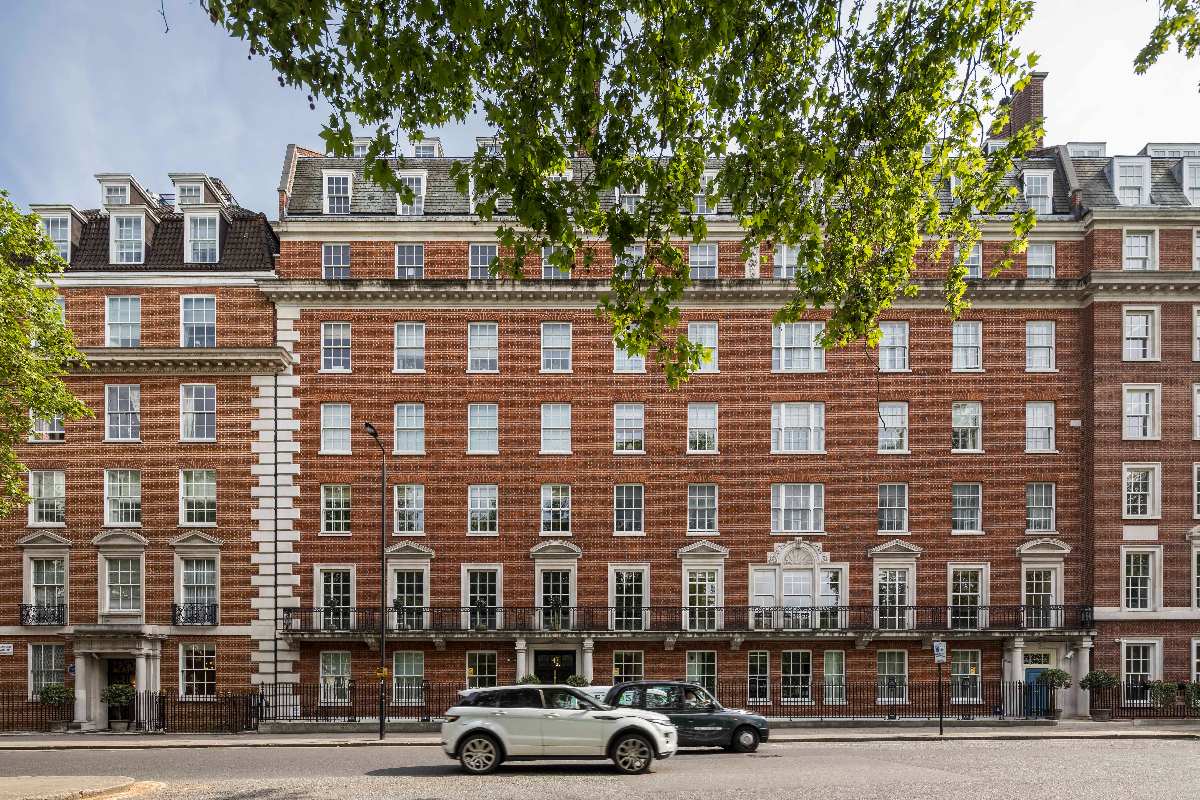
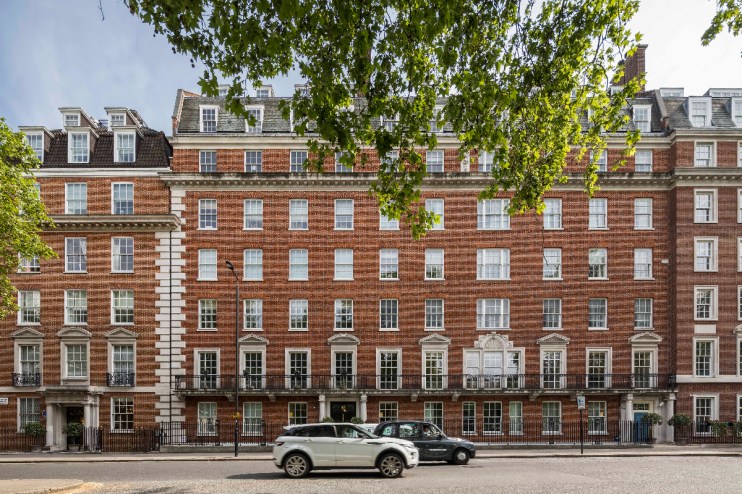 Capital gains tax is not currently charged on primary residences. (Credit Beauchamp Estates)
Chancellor Rachel Reeves is looking at imposing capital gains tax on the sale of houses above £1.5m as she looks to fill a £40bn hole in the public finances.
The change, which would likely happen at this year’s Autumn Budget, would see higher-rate taxpayers pay 24 per cent of the value of any gain they make from the increase in the value of their property, while basic rate taxpayers would have to pay 18 per cent.
Currently, the sale of a ‘primary’ residence in the UK is exempt from capital gains tax in a policy known as private residence relief.
According to The Times, which first reported the news, officials believe that a threshold of £1.5m would hit around 120,000 homeowners who are higher-rate taxpayers with capital gains tax bills of £199,973.
However, there are concerns from experts that the £1.5m threshold will create a cliff-edge, with prices rising for more expensive homes as sellers price in the tax, as well as activity clustering just below the figure as others look to avoid it entirely.
It would also discourage downsizing, which the UK has a particular issue with – over four in 10 homeowners aged 65 and over live in homes that are larger they necessary, according to a Zoopla report.
A Treasury spokesperson said: “As set out in the Plan for Change, the best way to strengthen public finances is by growing the economy – which is our focus. Changes to tax and spend policy are not the only ways of doing this, as seen with our planning reforms, which are expected to grow the economy by £6.8bn and cut borrowing by £3.4bn.
Read more
One in ten London homes would be hit by ‘mansion tax’
“We are committed to keeping taxes for working people as low as possible, which is why at last Autumn’s Budget, we protected working people’s payslips and kept our promise not to raise the basic, higher or additional rates of Income Tax, employee National Insurance, or VAT.”
Play Video
Property tax rumours swirl
There has also been talk of a proportional property tax on homes above £500,000, although government sources rejected the validity of this threshold.
A property tax – if implemented – would aim to replace stamp duty and council tax, two taxes heavily in need of reform.
It would also help Reeves to raise welcome funds, as she has pledged not to raise taxes on working people.
The Chancellor has also been under pressure to introduce more wealth-based taxes, notably from the deputy prime minister, Angela Rayner.
The National Institute of Economic and Social Research (NIESR) has estimated that taxes may have to go up by more than £50bn to cover costs and restore a credible headroom that will make bond traders more assured about Labour’s fiscal plans.
Capital Economics and other leading analysts believe taxes will have to rise in the range of £15bn to £25bn.
Read more
What could Reeves’ property tax reforms mean for buyers and sellers?
Similarly tagged content:
Sections
Categories
People & Organisations