
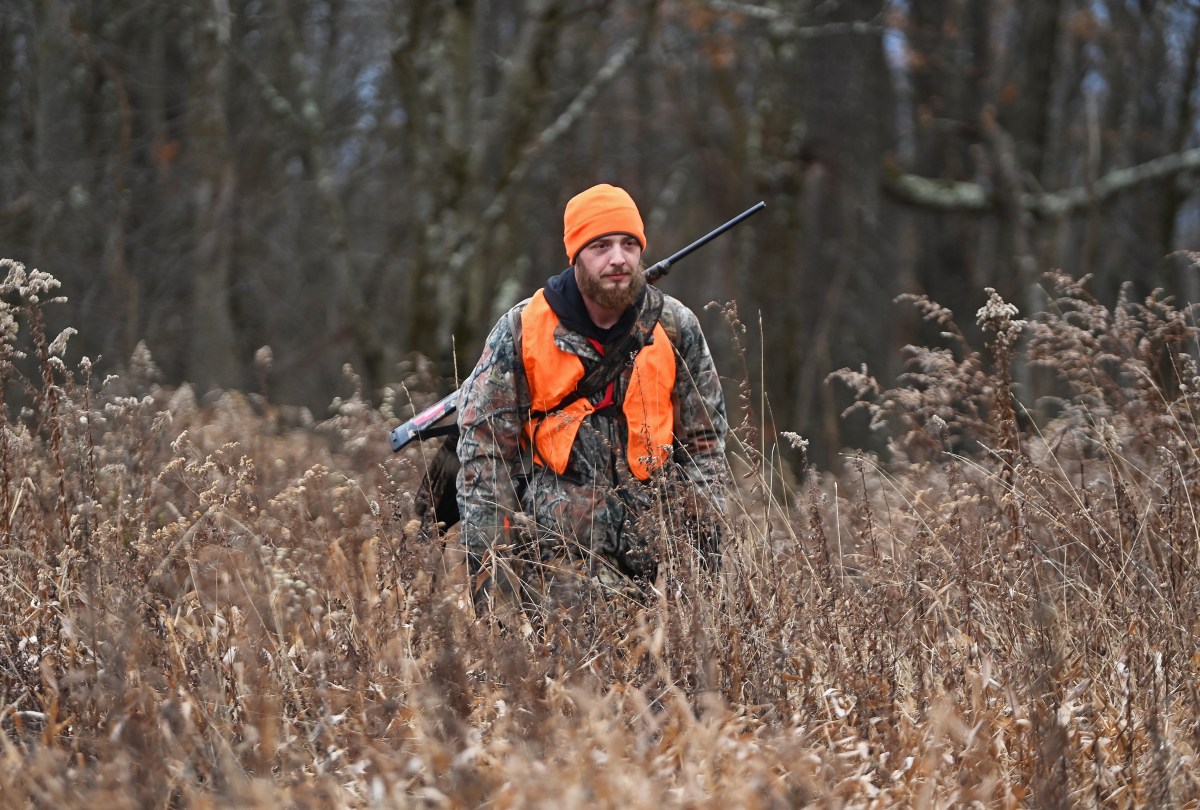
The Trump administration took steps to further loosen hunting and fishing restrictions on Thursday, in a move that will open up more federal land to the two activities and have a major impact on states which are home to vast national parks.
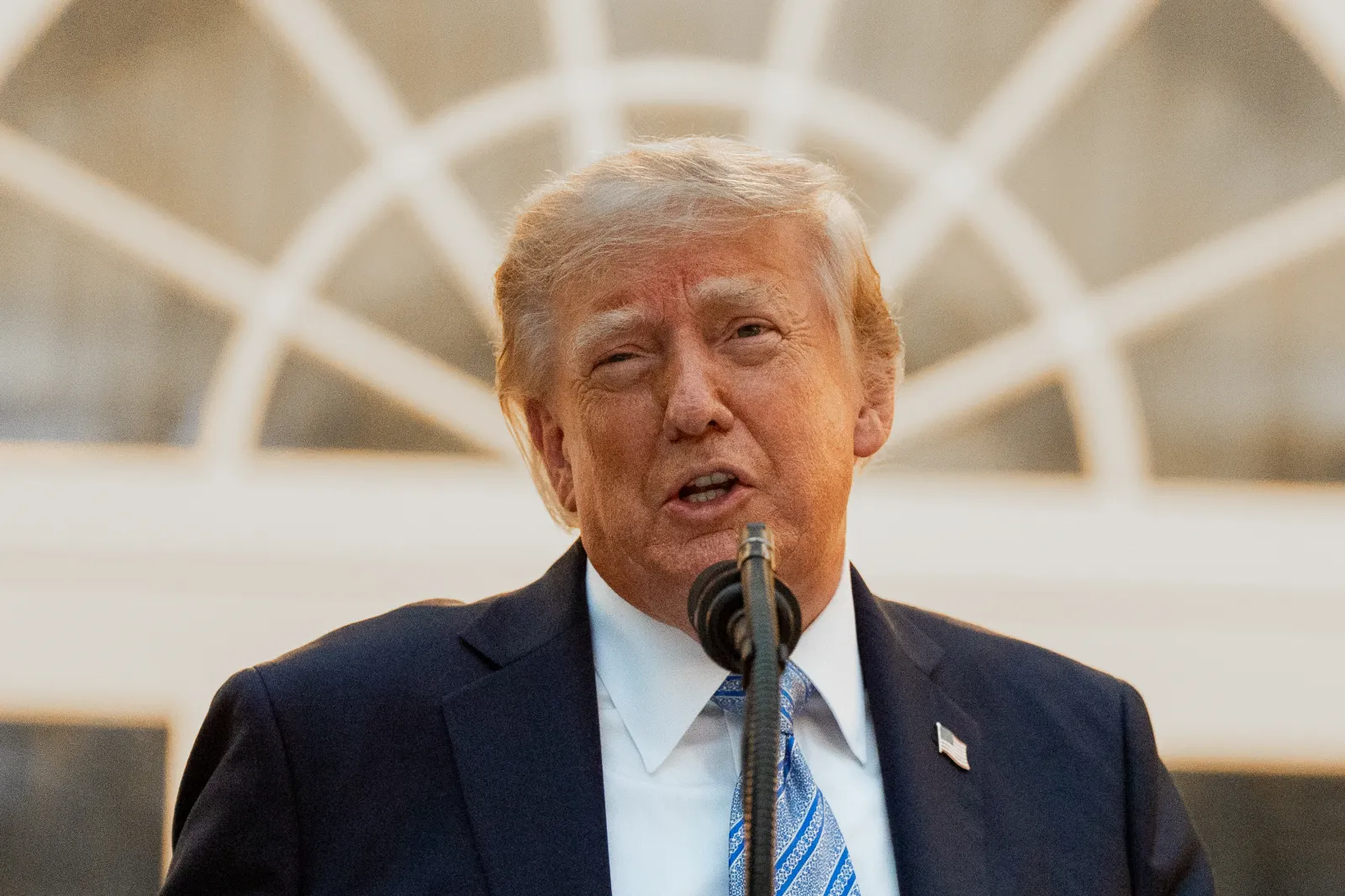
Addressing a crowd of over 100 hunters, anglers and outdoor-industry leaders invited to the White House’s Rose Garden for dinner, President Donald Trump announced the signing of two executive orders aimed at “reinvigorating America’s hunting heritage,” as the White House put it.
“I’ll tell you what, the power of this office is crazy,” Trump joked with the event’s attendees. “I could have banned fishing and driven Johnny right out of business, okay? I think I’m gonna do that. Just maybe just a quick order, just for a day or two, till he calls me and he says, ‘Please, president, please, you’re putting me out of business, sir.’”
Read More on News
The comment was a nod to Johnny Morris, the billionaire founder of Bass Pro Shops, who was at the Rose Garden.
 What Do the New Orders Mandate?
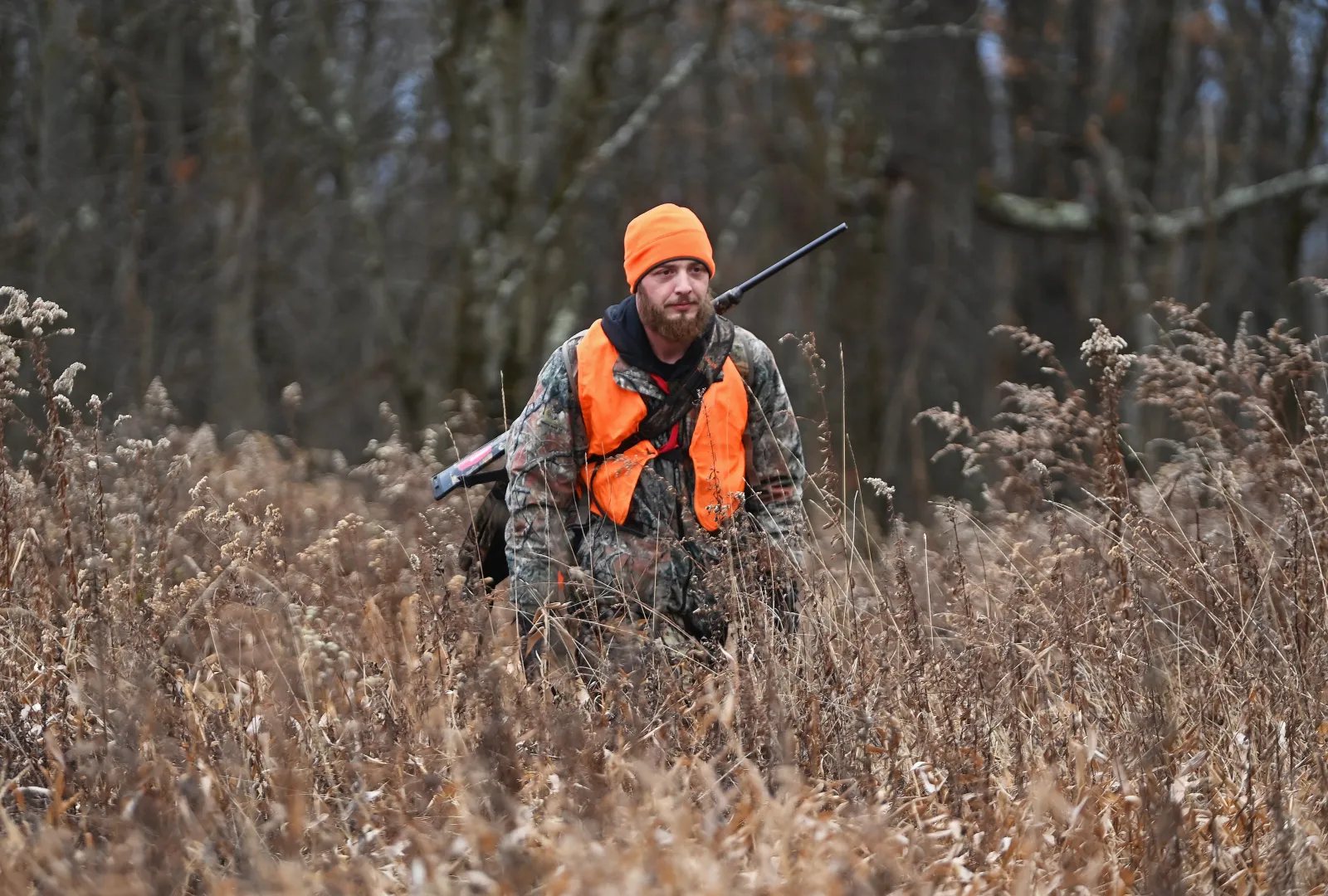
One order mandates the further expansion of federal land available to hunters and anglers, building up on the administration’s order in August which made more than 92 million acres of federal land across 32 states available for hunting.
“We believe that public lands belong to the American people and to the public, and hunters, fishers, and outdoorsmen should be able to access them,” Trump said on Thursday night.
The order directs Secretary of the Interior Doug Burgum to allow hunting within California’s Castle Mountains National Monument and Idaho’s Craters of the Moon National Monument and Preserve within 90 days. The exception applies to species that are not subject to the endangered-species provisions referenced in 16 U.S.C. 1533.
Hunting must be appropriately managed, and the order states that it would not put the historic and scientific interests protected by these monuments at risk. It does not allow unrestricted hunting or automatically permit hunting of endangered species.
The administration also proposed expanding hunting access by unlocking checkerboarded and landlocked parcels through voluntary access easements, land exchanges, and cooperative agreements, reviewing Forest Service river access lotteries, and increasing hunting opportunities on federal lands generally.
A second order signed by the president rolled back Biden-era regulations prohibiting the use of traditional lead ammunition and tackle.
“Lead ammunition was a problem, huh? Is it better than other ammunition? I assume, huh? That’s pretty good,” Trump said on Thursday. “I don’t know what the hell that means, but I know one thing: you wanted it. You wanted it, and I’m here for you.”
The Biden administration had restricted the use of traditional lead ammunition and fishing tackle to protect wildlife and ecosystems from the risk of lead poisoning. The measure was immediately protested by hunters and associations like the National Rifle Association (NRA), who complained that the ban was making hunting “more difficult and more expensive for hunters who wanted to access these public lands.”
 Which States Will Be Most Affected?
Idaho and California, home to the two national parks where the Trump administration has directed to expand hunting access, will certainly be affected by the new executive orders signed by the president. It is not yet clear which states will be further affected by the proposal to open landlocked federal parcels.
The states with the most landlocked federal parcels are generally those with checkerboard land ownership, particularly in the western region of the country. These are federal lands surrounded by private or other non-federal property, making access difficult without permission or an easement.
A state may have a lot of federal land but relatively few inaccessible parcels. On the other hand, checkerboarded ownership can make parcels inaccessible even in states with less total federal land.
According to a 2019 analysis by the Theodore Roosevelt Conservation Partnership, a nonprofit advocating for hunting and fishing rights, more than 6.35 million acres of state lands across 11 states in the American West were landlocked by private lands. These included Montana, Arizona, New Mexico, and Wyoming, which each had more than 1 million acres of landlocked state lands, creating existing barriers and future opportunities for public access.
The nonprofit calculated that the following states in the West had the most landlocked land inaccessible to hunters and anglers, as of 2019:
Arizona: 1,310,000 acresCalifornia: 38,000 acresColorado: 435,000 acresIdaho: 71,000 acresMontana: 1,560,000 acresNevada: < 1,000 acresNew Mexico: 1,350,000 acresOregon: 47,000 acresUtah: 116,000 acresWashington: 316,000 acresWyoming: 1,110,000 acres
The vast majority of these areas—about 95 percent—were state trust lands. The amount of landlocked state and federal land was significantly lower in the Upper Midwest, the South and the Mid-Atlantic, according to 2020 studies by the Theodore Roosevelt Conservation Partnership.
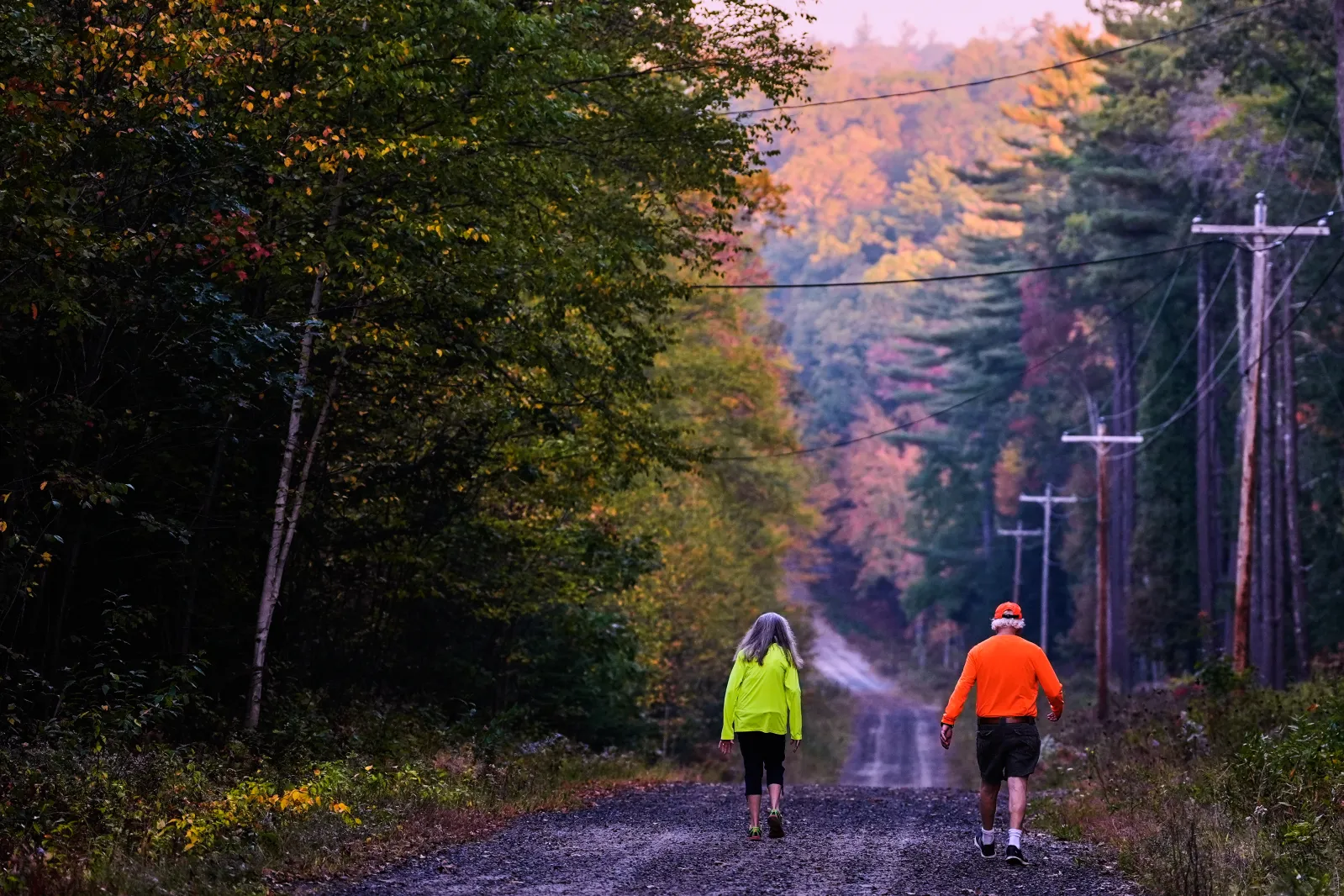
In California, a state targeted by the Trump administration’s orders, at least 75,000 acres of public land were identified as entirely surrounded by private property in a 2025 investigation by the San Francisco Chronicle.
Newsweek contacted the White House, the Secretary of the Interior, the Secretary of Defense and the Secretary of Commerce for comment by email on Friday.
Contact Newsweek editors on this story: Ben Kelly and Emma Lee-Sang