
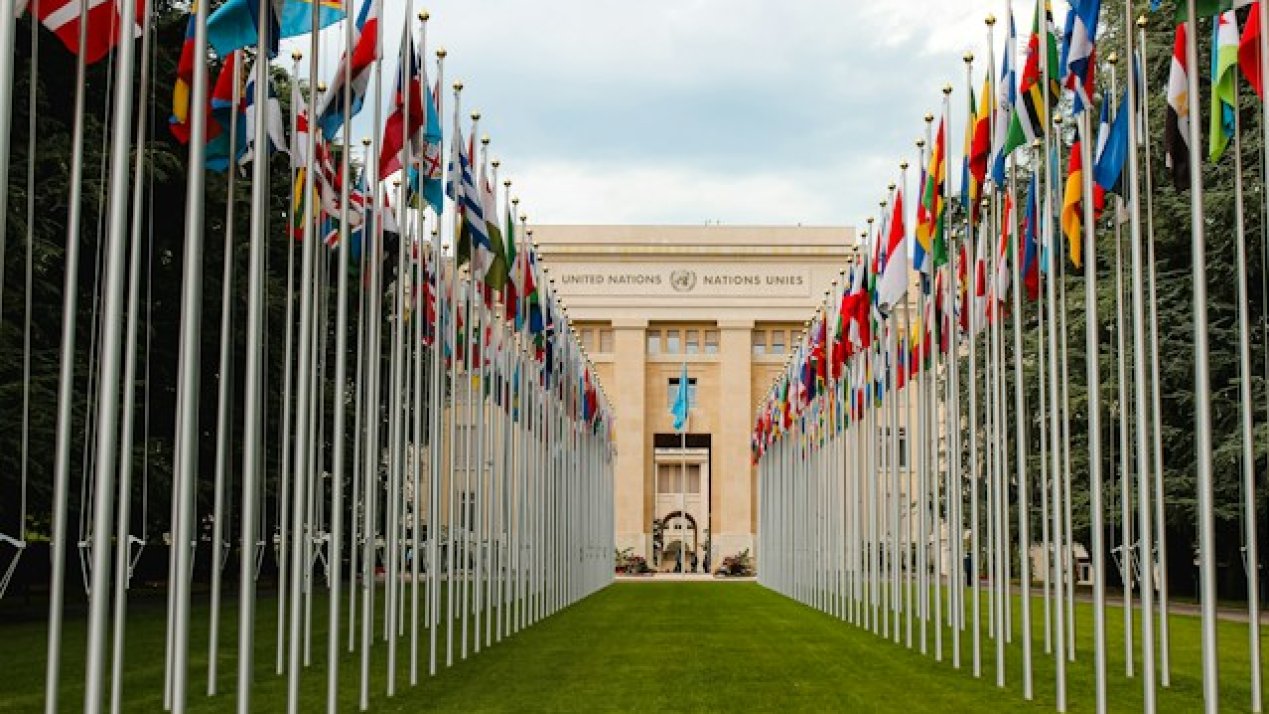
Global crude oil prices experienced a temporary pullback as energy markets balanced recovering Middle East export flows against emerging diplomatic avenues at the 81st UN General Assembly in New York. Despite softening near-term geopolitical risk premiums, persistent shipping threats in the Strait of Hormuz and potential escalation between the United States and Iran continue to keep price floors elevated for international benchmarks. High-level diplomatic exchanges and enforcement of economic sanctions in the coming weeks will determine whether crude valuations stabilize or resume an upward trajectory.
___
Global energy markets experienced a pull-back in crude prices as traders weighed potential diplomatic developments between the United States and Iran alongside stable physical supply flows.
Brent crude dropped over 3% to trade around US$99/b to US$100/b, breaking below a key psychological threshold, while US West Texas Intermediate (WTI) crude fell roughly 4% to 5% to settle near US$95/b.
The easing of energy prices prompted a rally across global equity benchmarks, with major US and European stock indexes advancing, including a 1.9% gain in the Nasdaq 100, while sovereign bond yields cooled, with the U.S. 10-year Treasury yield dropping back to 4.96%. “The pressure cooker of worry about inflation is giving off less steam as crude prices have fallen back amid growing hopes that fresh negotiations could lead to a breakthrough in the Iran conflict,” Susannah Streeter, Chief Investment Strategist, Wealth Club, told AFP.
The decline in oil valuations follows public signals from US President Donald Trump indicating an openness to meeting with Iranian President Masoud Pezeshkian during the UN General Assembly in New York. Trump told Fox News he is in a “deciding mode” regarding the war, framing options between “wiping Iran out, letting them rot economically, or making a deal.” The potential for diplomatic engagement served to reduce a portion of the geopolitical risk premium built into crude futures, despite ongoing regional military operations, Houthi missile strikes on regional targets, and formal travel warnings issued for the Middle East. However, Iran’s Revolutionary Guard warned via state media outlet Tasnim that it will expand the geography of the conflict if hit with renewed US strikes.
Despite diplomatic signals, security across Middle East shipping lanes remains volatile and prone to sudden disruption. Over the weekend, Houthi forces targeted the Saudi capital Riyadh and the Red Sea oil terminal port of Yanbu, while the UK Maritime Trade Operations Centre reported at least two tankers coming under attack while transiting the Strait of Hormuz. Ryan McKay, Director of Commodity Strategy, TD Securities, observed that while broader Middle East export flows have steadily recovered to about 80% of pre-war levels, the market is grappling with multiple near-term drivers that have been a tug of war for prices. “It appears that without a major escalation, Iran may have lost notable leverage in the Strait,” McKay added.
Solid physical supply flows and market fundamentals also contributed to easing immediate supply anxieties. According to research from JPMorgan, crude exports from the Middle East remained steady, averaging 17.1 million barrels per day over mid-September, supported by rebounding Saudi Arabian export volumes, which rose to over 4MMb/d and elevated transit through the Strait of Hormuz reaching a 6-month high. Furthermore, while the US Strategic Petroleum Reserve has drawn down to its lowest levels since 1982, existing inventories containing over 284,000 spare b continue to provide temporary structural protection against sudden physical shortages.
Market forecasters maintain contrasting outlooks regarding the trajectory of crude pricing through the remainder of the year. Some commodity research firms anticipate persistent supply constraints and potential infrastructure risks that could push crude valuations toward US$120/b or up to US$150/b by 2027, whereas other market observers expect trading volumes and price floors to remain strictly tethered to the outcome of upcoming diplomatic exchanges.
UN General Assembly: What to Expect
The diplomatic negotiations driving crude market expectations are unfolding alongside the UN General Assembly in New York, where over 130 heads of state and diplomats are gathering ahead of the main General Debate beginning on Sept. 22, 2026.
Beyond potential talks with Iranian President Pezeshkian, President Trump is scheduled to meet with Persian Gulf leaders to outline subsequent operational phases of the Middle East conflict, alongside hosting a briefing for his Board of Peace. However, structural constraints remain tightly enforced; while the US State Department confirmed the attendance of a reduced Iranian core delegation under host country obligations, the Iranian envoys face strict travel restrictions, purchasing prohibitions, and active economic sanctions.
Simultaneously, broader geopolitical shifts at the summit highlight persistent market uncertainties and security risks across global trade routes. While bilateral talks between US and Chinese delegations in Washington run parallel to UN proceedings, delegates in New York are navigating escalating regional threats, including Iranian Revolutionary Guard statements warning of wider conflict geography and continued maritime disruptions along key transit chokepoints like the Strait of Hormuz.