
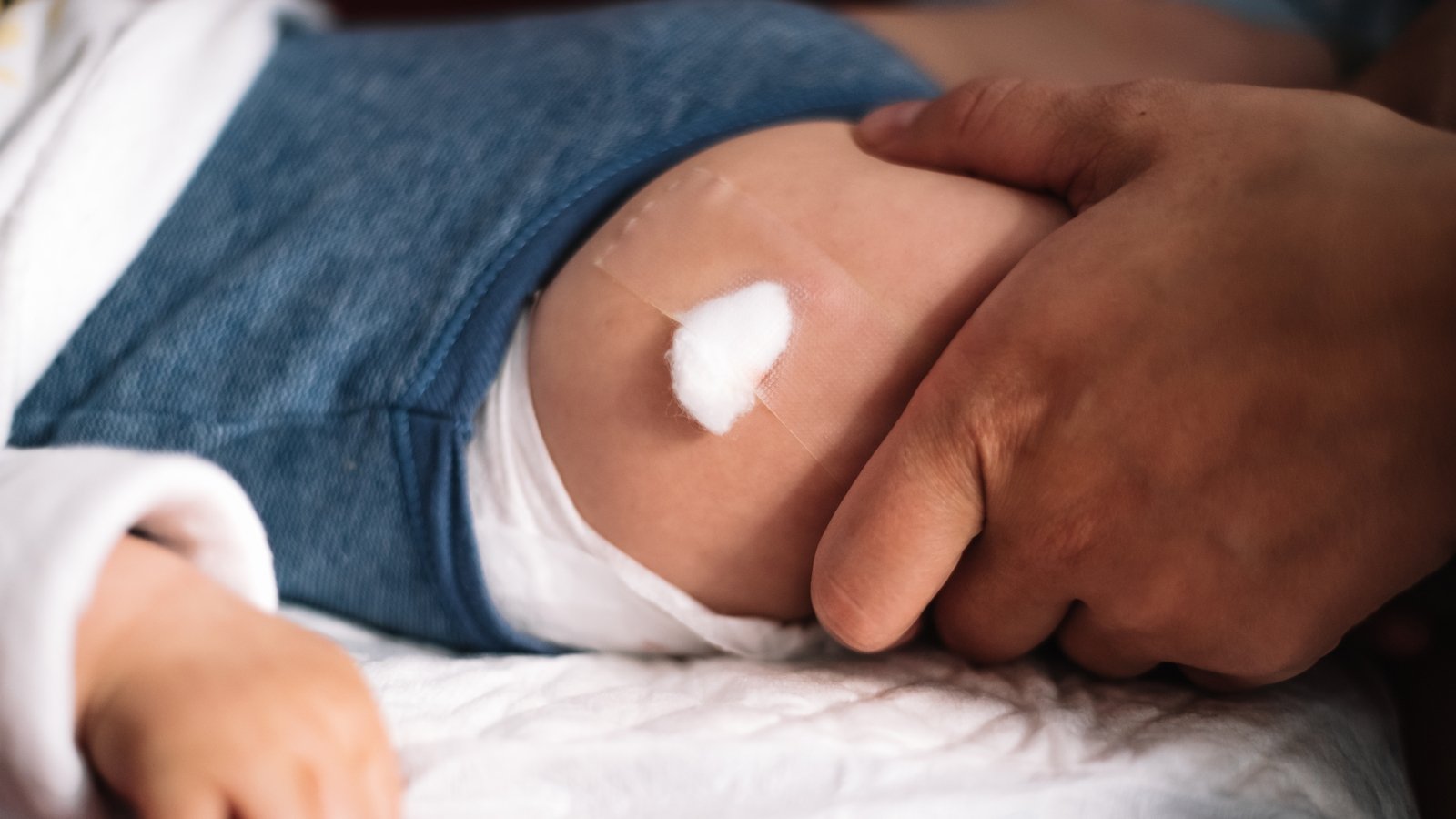
RSV immunisations will be available to newborns and babies aged up to six months old and the programme will run over the winter, the Minister for Health has said.
The immunisation will be offered in maternity hospitals to all babies born between 1 September this year and 28 February next year.
It will also be available to babies aged less than six months old on 1 September, to offer them protection ahead of the expected seasonal upsurge in infection with RSV in the coming months.
For babies born between 1 March and 31 August this year, appointments will be available during September until the first week in October.
Appointments can be booked online from 25 August for this group.
RSV (respiratory syncytial virus) is a common virus that causes coughs and colds.
The HSE said almost all children get the virus by the time they are two years old, adding that it is the main cause of bronchiolitis and pneumonia in very young children.
Most symptoms are mild, such as a runny nose, coughing and sneezing and recovery usually lasts two to three weeks without treatment or the need to see a GP.
However, four in every 100 newborn babies are hospitalised due to RSV each winter, with some needing special treatment in intensive care units.
Almost 22,500 infants were immunised against RSV last year with an uptake rate of approximately 83% overall.
There was an estimated 65% reduction in the number of RSV cases throughout the winter season when compared with 2023-2024, the Department of Health said.
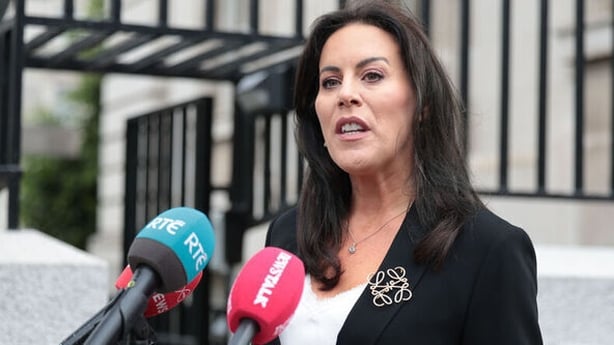
Minister Carroll MacNeill encouraged parents to get their children immunised
Minister Jennifer Carroll MacNeill said there was an estimated 57% reduction in emergency department presentations, 76% reduction in hospitalisations and a 65% reduction in ICU admissions for RSV-related illnesses last year.
“For new parents, knowing their baby is protected against a potentially serious illness has brought immense reassurance,” she said.
She encouraged all parents to “take up this opportunity to safeguard their child’s health”.
The RSV immunisation programme uses the monoclonal antibody nirsevimab, which the HSE said is not the same as a vaccine.
While vaccines stimulate the immune system to produce antibodies, nirsevimab gives the antibodies directly to the immunised individual.
“Nirsevimab works straight away so your baby is protected as soon as they get immunised,” the HSE said.
Nirsevimab is safe and it is more than 80% effective at protecting babies from hospitalisation due to complications of RSV infection, the HSE says.
It protects newborns against RSV for 150 days and protects them when their risk of severe infection is high.