
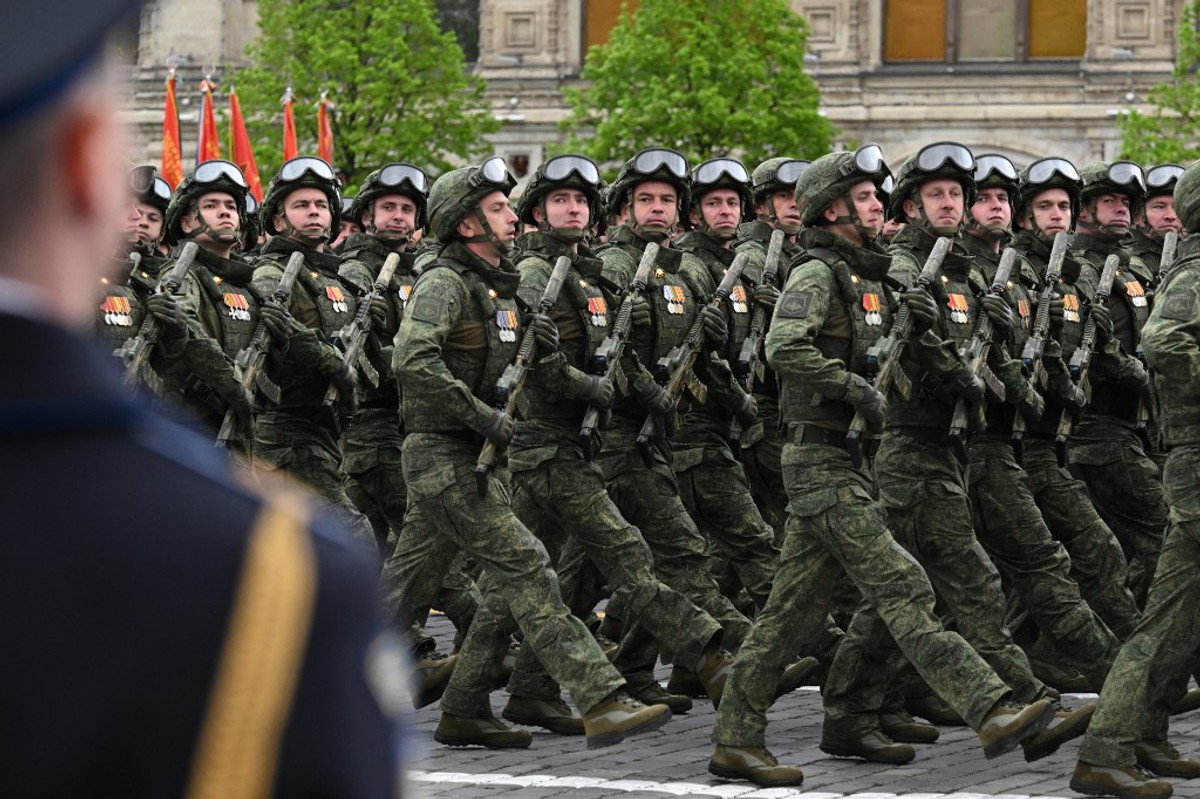
More than 250,000 Russian soldiers are confirmed to have died in Ukraine, and the actual figure is probably twice that, a report published jointly by the BBC and Russian outlet Mediazona on Tuesday says.
Since Russia’s full-scale invasion of Ukraine started in 2022, a total of 258,980 individuals serving in the Russian military, identified by name, died either in combat or as a result of it, the report says.
JOIN US ON TELEGRAM
Follow our coverage of the war on the @Kyivpost_official.
The figure came from years of research into publicly available, verifiable sources such as social media posts by relatives, death notices and obituaries, reports in local media and statements from regional authorities.
The updated report marked the fourth anniversary of the Kremlin’s emergency mobilization of reservists following the September 2022 collapse of Russian defenses on the northwestern Kharkiv front to a Ukrainian counteroffensive.
The last time the Kremlin made public numbers of war dead and wounded was on Sept. 21, 2022, when then-Defense Minister Sergei Shoigu said that 5,937 Russian service members had been killed in combat.
Practically all sources, including pro-Moscow milbloggers at the time, said the figure was minuscule and not credible.
According to current estimates published by Kyiv’s top headquarters, the General Staff, Russian military personnel losses in the war through Sept. 22, 2026, sit at 1,520,880 men killed or seriously wounded. The General Staff said its figures are backed by hard evidence, predominantly overhead drone video of the Russian soldier or soldiers hit.
Other Topics of Interest
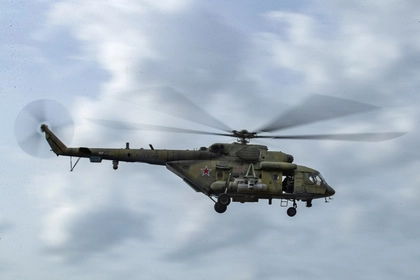
Russian Mi-8 Helicopter Briefly Violates Polish Airspace, Poland Scrambles Fighters
The helicopter entered Polish airspace from Russia’s Kaliningrad Oblast at 11:08 a.m. local time and remained there for 42 seconds, according to the statement.
International observer estimates are generally on par with Ukrainian estimates on Russian losses: The head of Britain’s armed forces, Air Chief Marshal Sir Rich Knighton, said British intelligence assessed about 1.5 million Russian military casualties since February 2022, including wounded, of whom about 500,000 had been killed, in his Sept. 11 comments to the media.
Per the Mediazona research, geographically, the death toll for Russian soldiers in Ukraine has been highest in peripheral territories with weak economies, particularly the interior Kuban region between the Black and Caspian Seas, and in the depressed regions in and around Chelyabinsk and Yekaterinburg.
The report says territories with majority non-ethnic Russian populations have been particularly hard-hit relative to their populations, including the predominantly Muslim Tatarstan and Bashkortostan along the upper Volga, and Buryatia and Zabaikalsky Krai near Mongolia.
Death rates in major cities with relatively well-off and educated populations, like the capital Moscow, along with the Russian heartland cities such as St. Petersburg, Tver, Yaroslavl, Vladimir and Smolensk, have been three or four times lower than in less-developed territories, data and graphics published in the report show.
Russian President Vladimir Putin and other Kremlin officials have, since the invasion, insisted Russia will eventually defeat Ukraine because Russia’s manpower reserves can support a continuous offensive that relentlessly gains ground and conquers parts of Ukraine the Kremlin wants to become part of the Russian Federation.
But increasing and sometimes rocketing soldier losses, especially since Ukrainian drone dominance made Russian armored operations obsolete and Russian troops shifted tactics to launching attacks on unarmored motorcycles or all-terrain vehicles (ATVs), have forced Kremlin recruiters to offer potential new recruits massive signing bonuses and to drum up volunteers in state prisons.
According to a report on current Russian recruiting practices published by the Conflict Intelligence Group (CIG) on Tuesday, the Russian state is working to replenish its ranks with a variety of tactics, but has not made the politically dangerous decision to conscript men into the army for combat operations.
Under current Russian law, a man drafted into army service may serve only on Russian Federation territory, though pressure on conscripts to “volunteer” for service in Ukraine is widely reported.
According to most reports, only a small percentage of potential recruits, despite those efforts, choose to go to war over Russian civilian life.
“In [the remote northeastern Siberian city of] Bratsk, the 2025 recruitment plan was increased from 548 to 645, but by Nov. 1, only 369 had been recruited,” the CIG report states.
“To fulfill the plan, city authorities visited over 14,000 addresses, conducted nearly 3,000 interviews, and targeted, among others, debtors, conscripts, foreigners, people with criminal records, and orphans. Of the 261 orphans and orphanage graduates ‘treated,’ only one signed a contract,” it adds.
Recruitment tactics used to fill the gap include offering the equivalent of a year’s factory worker’s salary as a signing bonus in the depressed central Russian region of the Republic of Mordovia, sending funding to and setting recruitment quotas for local governments and convincing them to sign up as soldiers in Yarsolavl, and even imposing fines and, in some cases, criminal liability on local officials failing to meet quotas, as seen in Stavropol, the CIG article says.
Cases of Russian unit commanders denying invalid soldiers, among them cripples and epilepsy sufferers, medical separation from the service, so that there might be more men available for the next attack are “multiplying,” as are incidents of men arrested on minor violations being forced by police to sign an army contract, a Tuesday Mediazona report says.
The article cited husbands of confirmed cases in the cities of Kirov, Penza, Petrozavodsk and greater St. Petersburg who were picked up by police for “questioning” and released only after signing an army contract.
Ukrainian news platforms and combat unit information feeds, citing Russian prisoners of war, have long reported limited training for new Russian recruits, usually 10 days to two weeks. Captured Chinese soldiers offered a broadly similar account of their training in their April 2025 press conference.
In a video published by Ukraine’s 3rd Army Corps from the eastern Lyman sector, Ukrainian troops encountered and took prisoner frontline Russian soldiers claiming not to have received food for days.
The images showed a poorly equipped Russian soldier, at one point unarmed except for a stick, surrendering to a 3rd Army Corps assault team. Four other Russian soldiers died in that single small battle, the same unconfirmed Ukrainian army report says.