
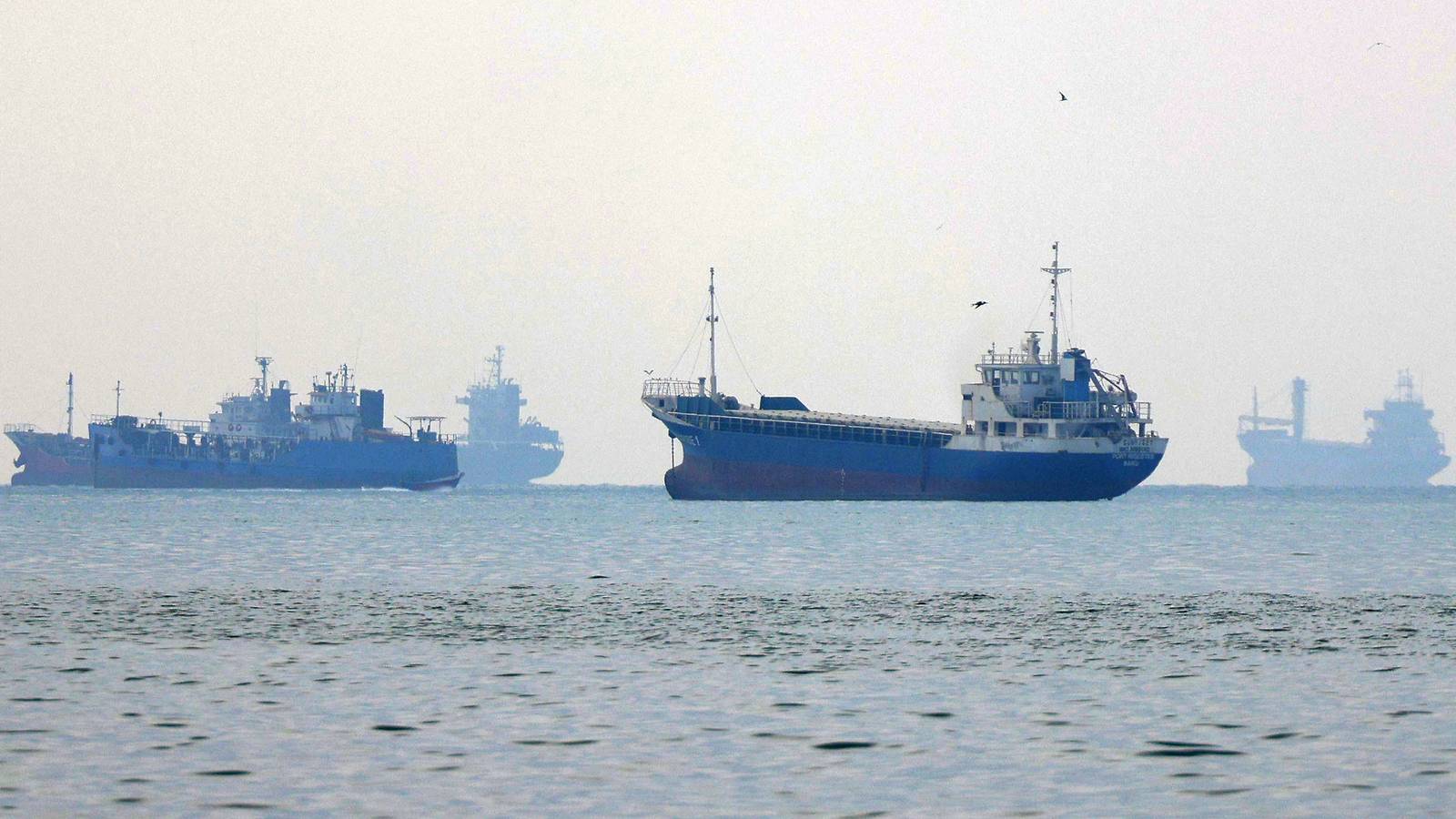
Oil surged as Iran threatened to expand the war in the Middle East, worsening the outlook for a deal to reopen the vital Strait of Hormuz.
Brent futures jumped more than 3% to trade above $106 a barrel, after a top Iranian military official said Tehran may broaden the war to the Indian Ocean if attacked. Prices pared some gains later in the session as traders also weighed rising flows from the region.
“This is a market with very little shock absorbers left, so any credible headline pointing to another potential physical disruption, or escalation, has a disproportionately outsized impact on prices,” said Emily Ashford, head of energy research at Standard Chartered.
The comments, reported by Iran’s Fars news agency, further undercut optimism around a meeting between Iranian and U.S. officials on the sidelines of the U.N. General Assembly earlier this week. President Donald Trump described the talks as “very good,” though Iranian officials downplayed any sense of diplomatic progress.
Iran has consistently vowed to escalate its attacks against the U.S. if it’s struck again, including with new targets and weapons. It’s unclear what escalation in the Indian Ocean might look like.
The Islamic Republic targeted a U.S.- U.K. military base in the Indian Ocean in March, but it wasn’t damaged, Bloomberg reported at the time. Tehran’s military could also step up attacks on U.S. naval assets outside the Persian Gulf in order to seek to push them further away from its territory.
Iranian President Masoud Pezeshkian said in an address at the U.N. meeting that the country is ready to resume talks about ending the near seven-month conflict, but added that Tehran won’t allow freedom of navigation through Hormuz while sanctions and a U.S. blockade remain in place.
Crude has climbed over 70% this year as the U.S.- Iran war, as well as the fallout from the Russia- Ukraine conflict, have cut supplies and damaged infrastructure. Still, Persian Gulf producers have continued to eke barrels out on tankers with their transponders turned off, helping cushion the impact of the turmoil.
Saudi Arabia’s crude shipments in September jumped to the highest level since the start of the war, as the kingdom has increased exports through Hormuz after attacks disrupted an East-West pipeline to the Red Sea that’s become a crucial workaround. The country is also working to restore that link.
Meanwhile, fuel markets have been hit harder, heaping pressure onto consumers and boosting inflationary challenges for central bankers.
U.S. retail prices for diesel, essential for transport, construction and agriculture, have surged to record levels. That’s prompted some lawmakers to push for export curbs. Earlier this week, Trump said he’d encouraged his advisers to support a ban.
Energy Secretary Chris Wright was said to have told oil industry leaders to brace for possible curbs on diesel exports. But no final decision has been made, Bloomberg reported, with key Trump aides divided over the idea and oil executives warning against it.
U.S. diesel futures have eased in recent days, while prices in Europe surged on the prospect of a cut in key American supplies.
—With assistance from Kanoko Matsuyama and Bingyan Wang.
___
©2026 Bloomberg L.P. Visit bloomberg.com. Distributed by Tribune Content Agency, LLC.
Related
Army Identifies Female Captain as 19th Iran War-Related Death, Citing ‘Non-Combat Incident’
Capt. Bianca C. Wilkerson, 37, of Norfolk, Va., died on Sept. 18. She’s been posthumously promoted to major.