
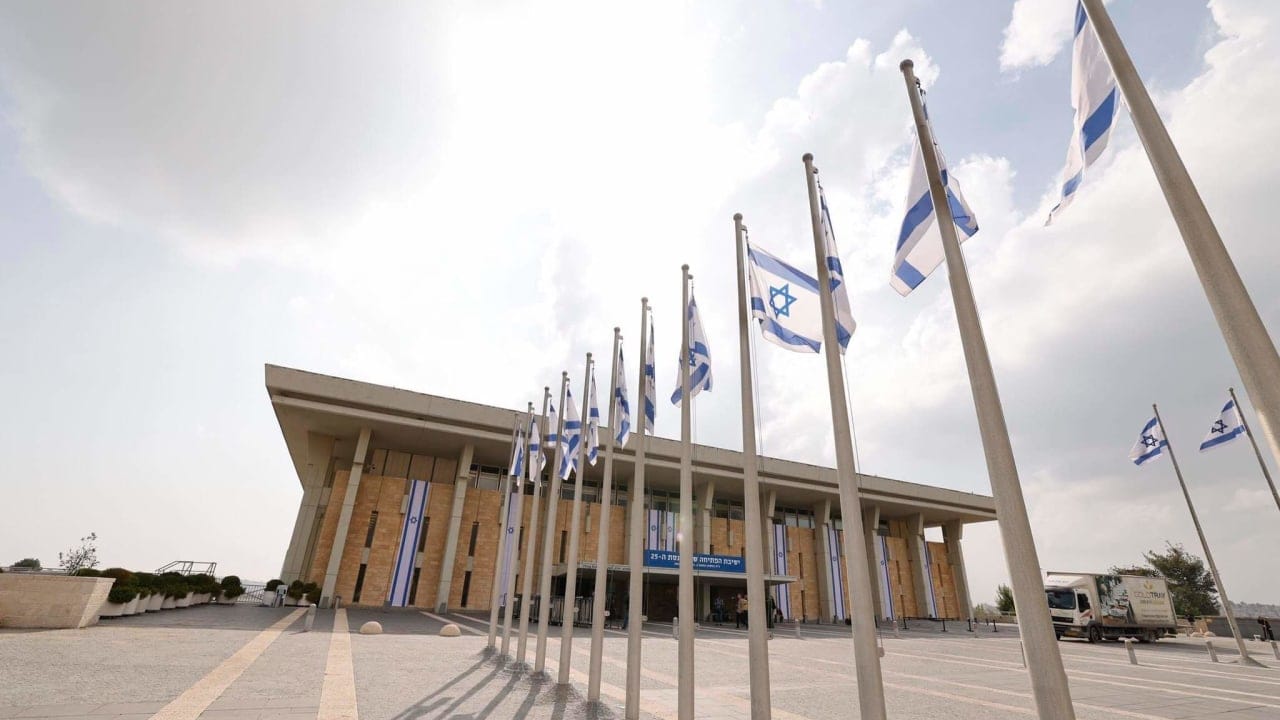
Five Knesset seat polls published in recent days present unusually wide disparities, but agree on one point: With one month until the election, Israel’s political system remains far from a decisive outcome.
While Channel 14 and i24NEWS give Likud a clear advantage, polls by Maariv, N12, and Channel 13 show Gadi Eisenkot leading or nearly tied with the party. The gaps between the blocs are equally dramatic, with the coalition bloc ranging from 49 seats in Maariv’s poll to 63 in Channel 14’s, while smaller parties hovering around the electoral threshold could reshape the entire picture.
Channel 14: Gap narrows between Netanyahu, Eisenkot
The Channel 14 poll showed the gap between Prime Minister Benjamin Netanyahu and Eisenkot narrowing. According to the results, Likud gained one seat, rising from 31 to 32, while Eisenkot’s Yashar party gained two seats, rising from 20 to 22.
Naftali Bennett’s B’Yachad weakened by two seats, falling from nine to seven. Below the electoral threshold, the Reservists-Economic Party remained at 2.2%. Ofer Winter‘s People of Israel fell from 2.6% to 1.9%.
According to the Channel 14 poll, the right-wing bloc fell from 64 to 63 seats but retained a majority. The left-wing bloc rose from 44 to 45 seats, while the Arab parties remained at 12.
 Campaign materials of candidates who ran in yesterday’s Likud primary elections are seen in Jerusalem, August 18, 2026 (credit: CHAIM GOLDBERG/FLASH90)i24NEWS: Coalition bloc at 60 seats, Likud steady at 27
Likud remained unchanged at 27 seats, the same result it received the previous week. Eisenkot’s Yashar came in second with 22 seats.
B’Yachad remained at nine seats, while the Democrats lost one seat and also reached nine. People of Israel lost one seat and came last among the parties crossing the threshold, with four seats.
According to the poll, the coalition bloc stood at 60 seats, the opposition at 47, and the Arab parties at 13.
Maariv: Haredi parties weaken, coalition falls to 49
Weakening support for the haredi (ultra-Orthodox) parties, each of which lost one seat, hurt the coalition bloc, which fell by one seat to just 49, according to a Maariv poll.
The poll also showed Otzma Yehudit gaining one seat to reach nine, while Likud, Religious Zionism-Zehut, and People of Israel maintained their strength with 18, six, and four respectively.
Within the opposition bloc, Eisenkot’s Yashar continued its downward trend, losing another seat this week to fall to 22. The Democrats gained two seats to reach 11, while B’Yachad, with 13, and Yisrael Beytenu, with nine, remained unchanged.
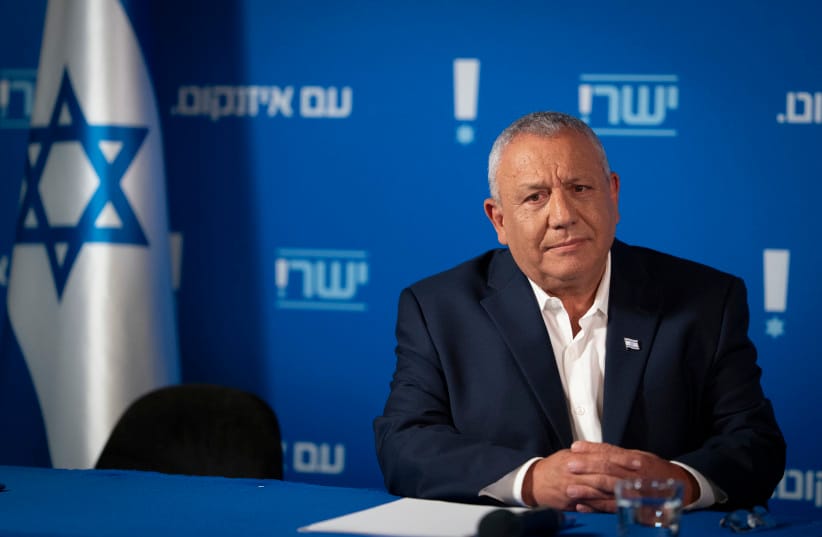 Gadi Eisenkot, head of the Yashar party, holds a press conference with the party’s new member Yoram Cohen in Tel Aviv, May 5, 2026. (credit: FLASH90)
Overall, the Zionist opposition parties gained one seat, reaching 55.
N12: Eisenkot leads Likud, Netanyahu bloc at 50
An N12 Knesset seat poll showed that if elections were held now, Eisenkot’s Yashar would be the largest party with 23 seats, unchanged from the previous poll.
According to the poll, Netanyahu’s Likud maintained its strength with 20 seats, while Bennett’s B’Yachad also remained unchanged at 13. Winter’s People of Israel received four seats, while the Reservists-New Economic Party, led by Yoaz Hendel and Yaron Zelekha, once again crossed the electoral threshold and received four seats.
The bloc map remained unchanged apart from internal shifts within the blocs, including changes among the Arab parties and among the parties in the anti-Netanyahu bloc.
The bloc opposing Netanyahu received 66 seats, including 54 for the Zionist parties and 12 for the Arab parties. The coalition received 50 seats, while Hendel and Zelekha’s party, classified as part of a “third bloc,” received four.
Channel 13: Eisenkot widens lead over Likud, Hendel-Zelekha crosses threshold
If elections were held now, Eisenkot’s Yashar would be Israel’s largest party with 22 seats, while Netanyahu’s Likud remained at a low of just 18 seats, according to a Channel 13 poll.
The surprise in the poll came around the electoral threshold, with Yoaz Hendel and Yaron Zelekha’s Reservists-Economic Party crossing the threshold and receiving four seats.
The bloc breakdown placed the opposition at 52 seats, while the coalition lost three seats compared with the previous week and fell to 51. The Arab parties stood between the two blocs with 13 seats, alongside Hendel and Zelekha’s list with four.
Poll average: Likud narrowly ahead of Eisenkot as political map remains deadlocked
The five Knesset seat polls published in recent days present very different pictures of the election campaign, but their average produces an exceptionally close contest at the top.
Likud leads with an average of 23 seats, with Eisenkot’s Yashar just behind at 22.2. The similarity in the averages, however, conceals an enormous disparity among the pollsters: Likud ranges from 18 seats in the Maariv and Channel 13 polls to 32 in Channel 14’s, while Eisenkot’s party is unusually stable, ranging only from 22 to 23 seats.
Bennett’s B’Yachad ranks third with an average of 10.6 seats, followed by the Democrats with 9.8 and Yisrael Beytenu with eight.
The picture within the right is also divided: Shas averages 7.6 seats, United Torah Judaism 7.4, Otzma Yehudit 7.2, and Religious Zionism-Zehut six.
The picture around the electoral threshold is similarly inconsistent. Winter’s People of Israel crosses the threshold in four of the five polls, giving it an average of 3.4 seats, despite falling below the threshold in the Channel 14 poll.
The Reservists-Economic Party crosses the threshold in three of the five polls but remains below it in the i24NEWS and Channel 14 surveys, leaving it with a lower average of 2.4 seats.
The bloc averages also remain far from producing a decisive outcome. The coalition and right-wing bloc averages 54.6 seats, compared with 50.6 for the Zionist opposition. The Arab parties average 12.4 seats, while the Reservists-Economic Party, which some polls classify as a “third bloc,” averages just 2.4 seats.