
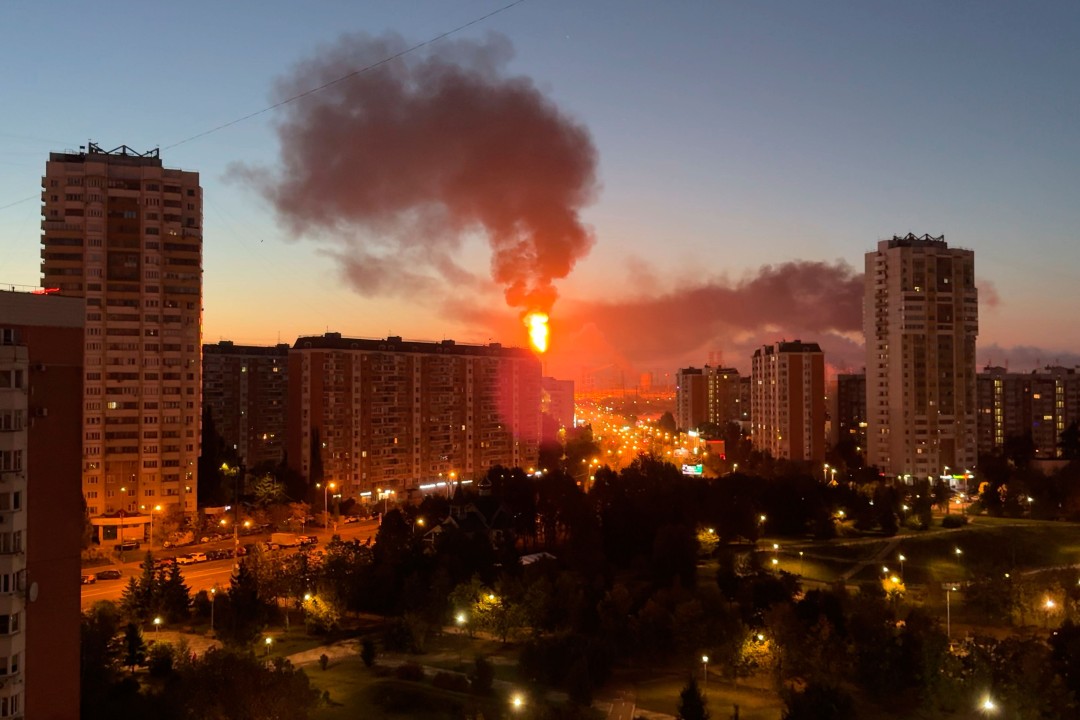
Factories and warehouses across Russia are being told to look to the skies—and fend for themselves. As Ukrainian drones increasingly reach deep into Russian territory, the Kremlin has ordered companies to secure their own sites or risk temporary state takeover, the Wall Street Journal reports. That’s pushed major firms like steelmaker Severstal to bring in air-defense systems, while retailers such as Ozon and Wildberries fortify logistics hubs with measures like steel netting. Job listings now seek guards and even gunners trained to spot and shoot down drones, with some posts on the Crimean Bridge paying hefty premiums and requiring contracts with the Defense Ministry.
To offset the cost, the government is floating tax breaks and injecting $2 billion into a key reinsurer as drone-related insurance claims climb. Postal workers have been authorized to carry weapons to take down drones, and cybersecurity firm Kaspersky is marketing AI-powered anti-drone packages. Yet coordination among industry, the Defense Ministry, and Russia’s arms sector remains patchy, even as spending on counterdrone systems reportedly jumped nearly sevenfold year-on-year in early 2026—likely an undercount, since companies don’t have to disclose everything they’re spending to protect themselves.
The industrial stakes are high: Ukraine’s attacks on oil infrastructure this year have been disruptive enough to refining and export capacity to forcing Russia to import three times the total volume of seaborne oil products it imported in all of last year in August alone, per the Kyiv Post. Ukraine again struck the Ilsky oil refinery in southern Russia with drones starting Friday night. Local officials confirmed the attack without providing details.