
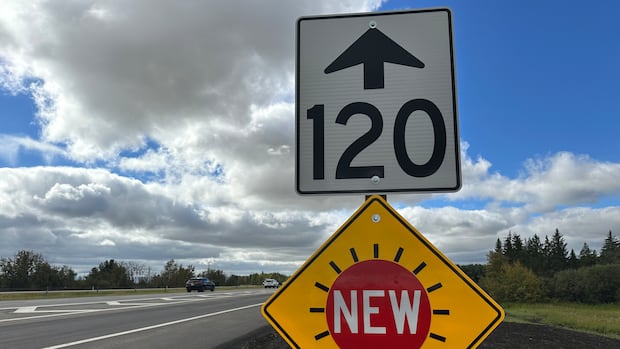
Two thirds of Albertans who filled out a survey on highway speed limits last year said they supported increasing the speed limit on rural divided highways to 120 km/h, but the results show older drivers were less likely than younger ones to support the idea.
Edmonton resident Don Davidson obtained a slide deck summarizing the results prepared by the government’s public opinion research unit and more than 1,400-pages of open-ended responses from the survey, using an access to information request. He shared the documents with CBC News.
“I wanted to see the results of the survey because I just couldn’t believe that the vast majority of the people in Alberta would want the highway speed increased,” the retired engineer told CBC in an interview last week.
“Most people are concerned about safety, as am I, and I wanted to read the comments and see what motivated them — and reading them, I can’t justify how they could increase the speed.”
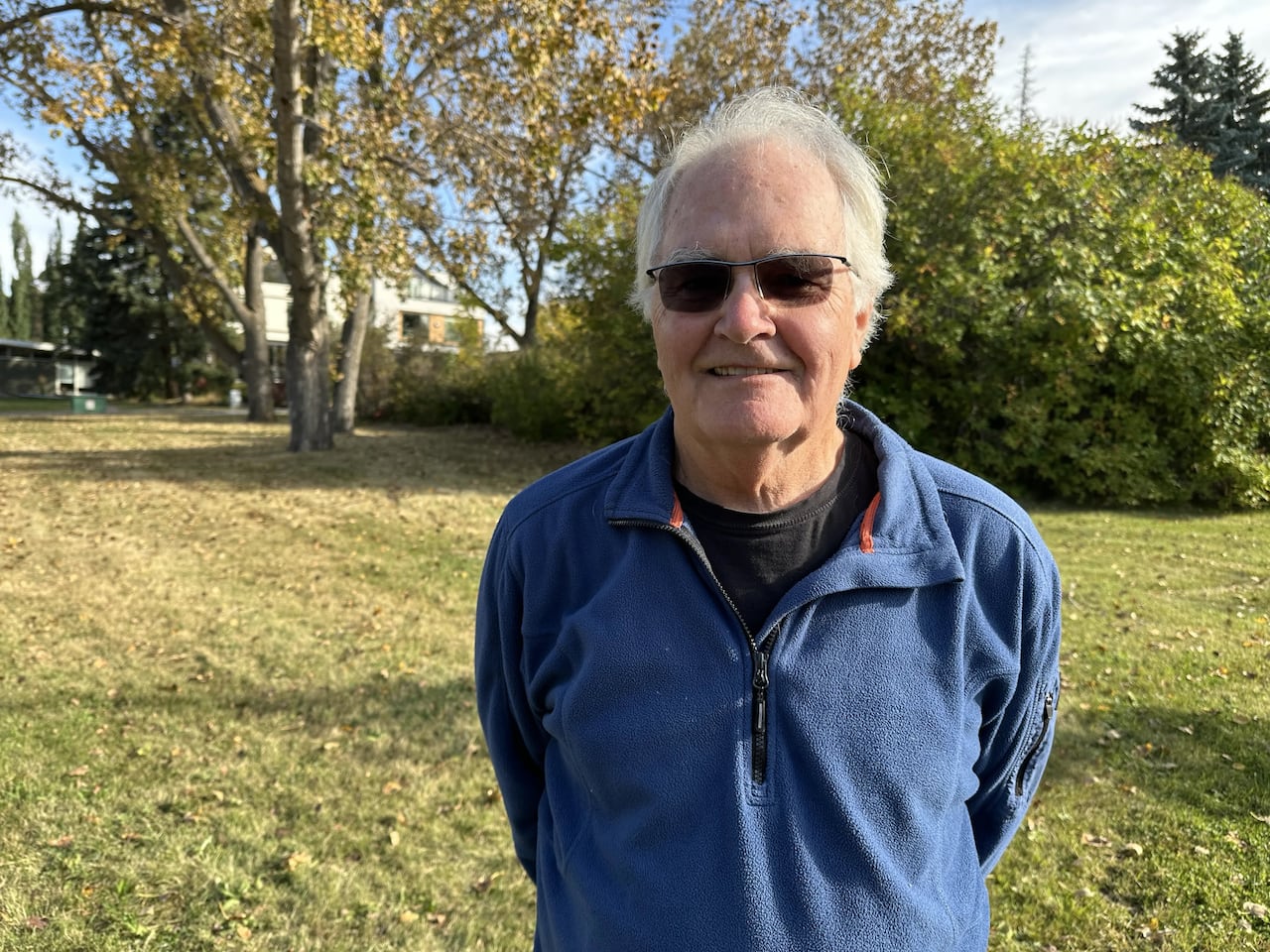 Don Davidson, a retired engineer in Edmonton, filed an access to information request to obtain results of the provincial government’s survey on highway speed limits. (David Bajer/CBC)
Nearly 60,000 people participated in the province’s online survey from Nov. 7 — Dec. 12, 2025.
Because public engagement surveys don’t randomly select respondents, their results are less accurate and representative of the population but they allow the government to hear from a wide range of people.
“Generally speaking, those who are dissatisfied with the status quo are much more likely to sound off on what the problem is rather than to take time out of their day and talk about how they really like things the way they are,” said Stewart Prest, a lecturer in political science at the University of British Columbia.
While not the most scientific way of gauging public sentiment, the survey results offer some insights into why many Albertans want to drive faster on highways and where opposition to the idea is coming from.
Older drivers less keen on speed increase
The slide deck summarizing results shows that support for raising the speed limit decreased with respondent age.
About 87 per cent of people under 35 either strongly or somewhat agreed with the idea of hiking speed limits on divided highways but that share dropped to 76 per cent for the 35-54 age group and 50 per cent of drivers 55 or older.
The report also showed more skepticism from more experienced drivers. Eight per cent of drivers with 2-5 years of experience said they were strongly opposed to the idea — compared to nearly a third of drivers with more than 10 years of experience.
“What it comes down to is people don’t know what they don’t know and it’s particularly true of less experienced drivers,” said La Velle Goodwin, the founder of Driving Hero Academy.
Goodwin, whose academy teaches advanced defensive driving skills, said there could be various reasons for the age disparity but she expects older drivers’ experience on highways is informing their opinions.
Why drivers want to go faster
Thirty-six respondents used the phrase “just do it” when answering an open-ended question at the end of the survey about increasing the speed limit.
Higher speed limit supporters most commonly brought up saving time during driving trips in their responses.
More than half of respondents said they agreed that time savings from speed limit increases would translate into broader economic benefit to the province.
Supporters also noted many drivers already surpass the 110 km/h limit.
“Most of us do this already, because it is safe to do so,” one driver wrote.
Goodwin said while increasing the speed limit from 30 to 50 km/h can lead to significant time savings, there are diminishing returns at higher speeds and she doesn’t think the risks of having a higher speed limit outweigh the benefits.
‘Ticket left lane campers!’
The survey also asked drivers for open-ended responses on what else would help improve their experience on provincial highways.
Drivers most frequently called for stricter rules and education on keeping slower vehicles in the right lane.
“Ticket left lane campers!” one respondent wrote.
The second most popular theme among the suggestions focused on road maintenance and infrastructure improvements.
“Here’s a thought, fix the roads and eliminate potholes, deep cracks, paint the lines and light areas that historically have higher collisions,” one respondent wrote.
Drivers also asked for lane additions, more electronic signs, better winter maintenance, removal of at-grade crossings, more wildlife corridors and extended ramps.
‘Speed kills’
Many respondents, answering the final open-ended question in the survey, shared concerns about safety and increased accident severity.
Hundreds used the slogan “speed kills.”
“My father lost his life on a double highway,” one respondent wrote. “Blood is on your hands if you make highways less safe.”
Another respondent, who said they have been a member of the Sheriff Highway Patrol since 2006, said increasing speed limits will do nothing except increase collisions, “putting further strain on our already overtaxed health system.”
Another respondent, who said they were a retired rural first responder, wrote, “increased speed results in a higher degree of injuries/deaths.”
Pilot zone expanded
RCMP and the provincial government have said that fewer collisions have occurred on the pilot section of Highway 2, compared to the same time period last year.
Earlier this month, Transportation and Economic Corridors Minister Devin Dreeshen told media the 120 km/h pilot has been “a great success” and is now expanded to cover up to 44 kilometres.
“We’re looking at additional expansion of that but we’re going to be data driven on how we expand this project, to see if we can expand 120 on all rural divided highways,” he said during a news conference on Sept. 10.
Mark Perry, a retired transportation engineer in Edmonton, said most Alberta highways aren’t designed for a higher driving speed.
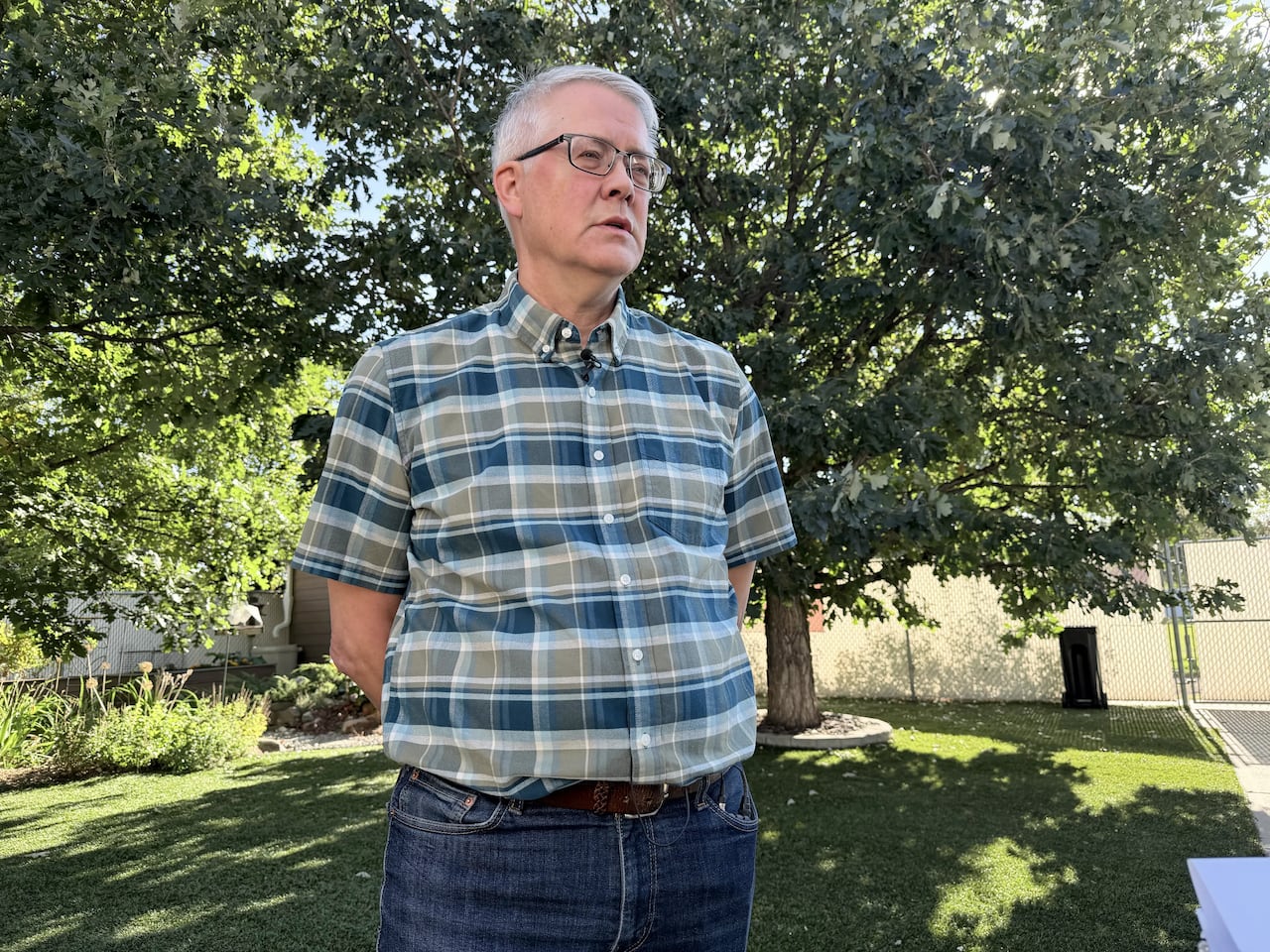 Mark Perry, a retired transportation engineer in Edmonton, estimates the upgrades needed to prepare Highway 2 for a 120 km/h speed limit would cost more than $1 billion. (Kevin Sabiston/CBC)
He said there were improvements made to the pilot section of Highway 2 before the experiment began and the public should know the costs associated with further upgrades.
“That’s the part that the province has not been telling us,” he said.
He said he estimates it would cost more than $1 billion to convert all of the at-grade intersections to interchanges along Highway 2 between Edmonton and Calgary.
CBC News asked the transportation ministry about Perry’s estimate and a press secretary sent a previous statement saying the initial pilot data is encouraging and the government continues to remind drivers that speed limits are intended for ideal conditions.