
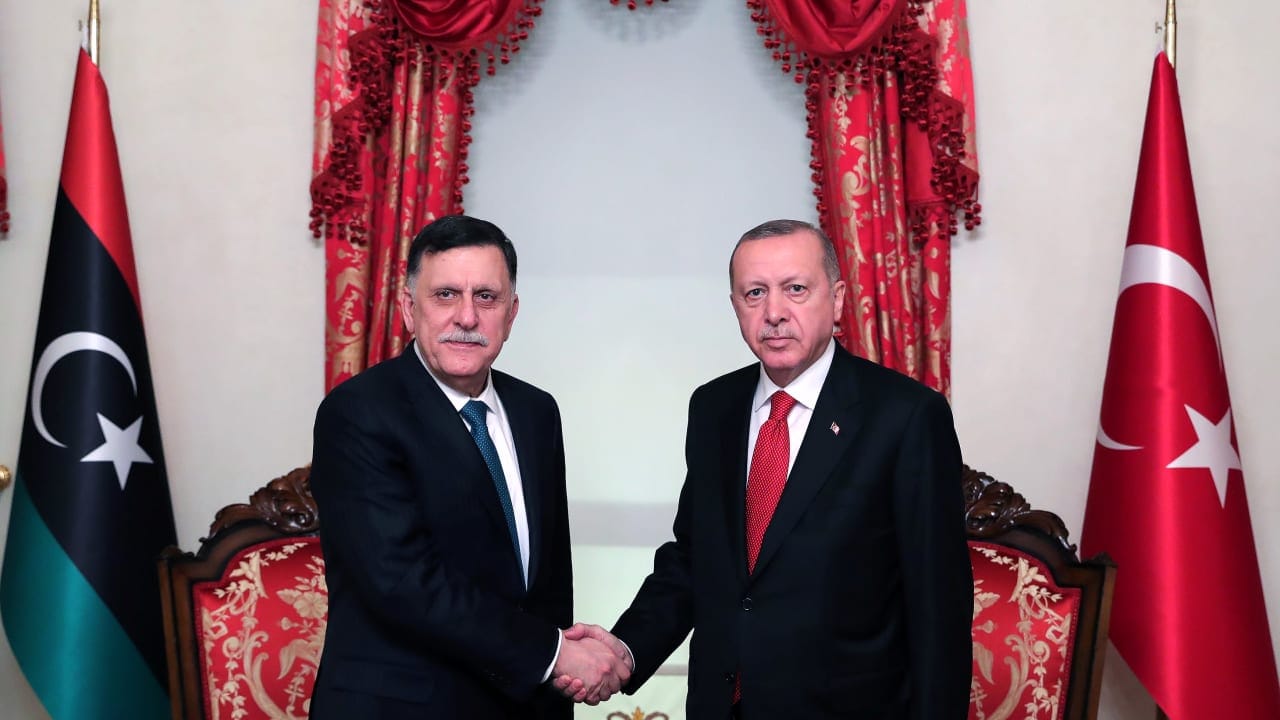
The IDF Intelligence Directorate has begun focusing on the “Libya corridor” and Turkey’s growing military and diplomatic influence in the region, based on a maritime economic agreement signed in 2019 between the Turkish government and Libya’s politically and militarily divided government, and has expanded over the past two years.
The agreement creates an artificial corridor stretching from Turkey’s coast to Libya’s, while completely disregarding the chain of Greek islands between them, including Crete and Rhodes.
The move includes armed Turkish activity in the area and effectively divides the Mediterranean Sea in two.
In return for Turkey’s military support for Libya, Turkish President Recep Tayyip Erdogan secured a presence in Libyan ports, an aerial presence, and rights to search for energy resources in Libyan territory.
Such a security reality allows Turkey to establish military infrastructure in the region and disrupt military and civilian activity, including civilian shipping, far beyond its internationally recognized borders.
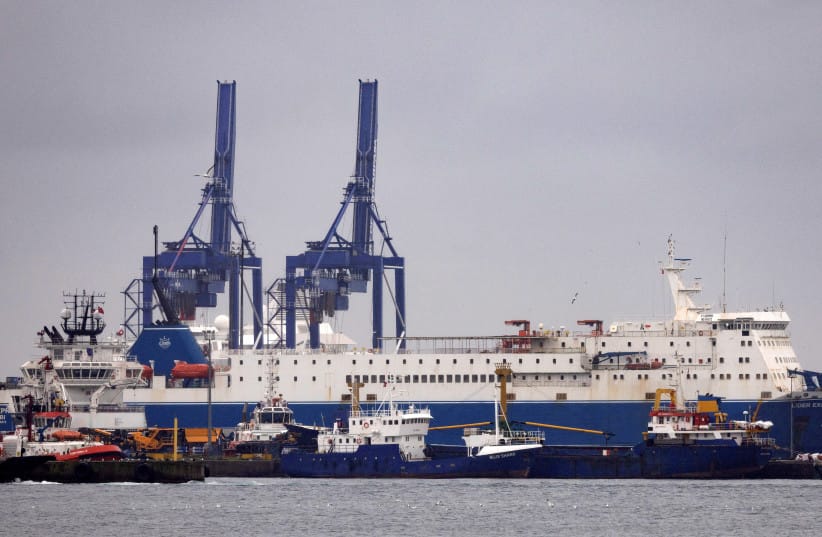 Cameroon-flagged Ro Ro ship Lider Express is moored at Haydarpasa Port in Istanbul, Turkey, February 17, 2025. (credit: REUTERS/UMIT BEKTAS)How does the process affect Israel?
The Turkish-Libyan agreement and its implications are intended to block, or at least disrupt, the construction of a gas pipeline from Israel to Cyprus, through Greece, and onward to Europe.
Turkey argues that any such project would require the pipeline to pass through Turkish territory and receive the Turkish government’s approval.
Another area affected by tensions between the countries is the deployment of undersea communications infrastructure and electricity cables in areas where there are clear concerns that they could be damaged.
Israeli defense officials stressed that the Intelligence Directorate has not ignored developments in the region and must examine any development that could affect the interests of Israel and its allies. The developments come against the backdrop of Israeli energy agreements with Greece, Cyprus, and Egypt.
At the same time, there are concerns over possible harm to Israel’s freedom of navigation, with 98% of Israeli imports arriving by sea.
Israel defense organizations concerned over Turkish threats
Israel’s defense establishment, particularly the IDF Intelligence Directorate, the Mossad, and the Israel Navy’s intelligence branch, is concerned by Turkey’s moves in the region, as senior officials view them as attempts to constrain and isolate Israel, in addition to what they see as clear and direct threats from Erdogan.
According to Israeli sources, Turkey already maintains a military presence in Libya, both in the air and at sea. This includes the presence of Turkish advisers and frequent visits by senior commanders.
The defense establishment is particularly sensitive to movements and changes along maritime trade routes amid tensions in the Strait of Hormuz and the Bab al-Mandab Strait in the Red Sea, due to the potential impact on Israel’s economy and its security interests.
Israel’s intelligence community is also monitoring Hamas’s attempts to establish infrastructure in the region, primarily logistical infrastructure, that would serve the terrorist organization’s interests.