
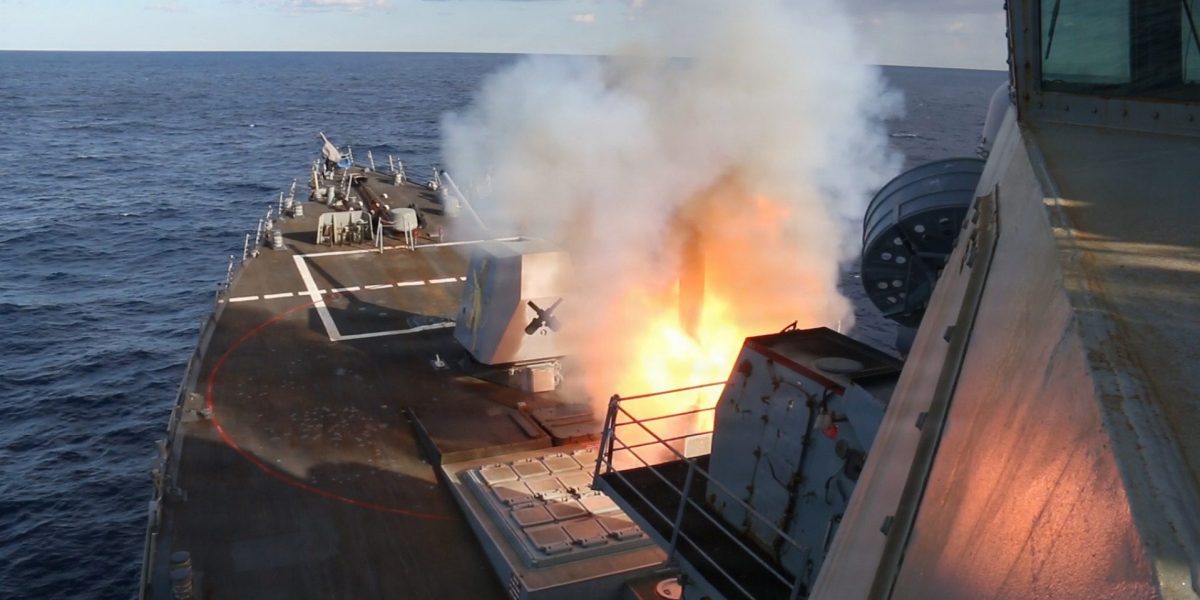
As ceasefire negotiations faltered and U.S. casualties of the Iran war mounted, the Trump administration on July 7 attempted to rebrand the struggling war effort by announcing the conclusion of Operation Epic Fury.
But in the 12 weeks since, more U.S. military personnel have been injured and killed than in the 18 weeks of Epic Fury. Of the 880 U.S. troops left wounded or dead, 444 have occurred since July 7, according to the official Pentagon count.
President Donald Trump’s war of choice has left nearly 100 U.S. troops wounded or dead this month alone, according to the Pentagon. This includes 29 Navy sailors and eight Marines added last week to the official tally of those injured, following claims by a top Iranian official that an attack with a new “anti-ship missile” had “created hell for the Americans.”
The Marines were injured in a cruise missile attack on September 14, according to two U.S. officials who spoke to The Intercept on the condition of anonymity. The Marines were aboard an unidentified vessel in the Strait of Hormuz, they said, and potentially suffered brain trauma among other injuries. The attack was first reported by NBC News.
A cargo ship was hit that same day by a projectile in the Strait of Hormuz, according to the United Kingdom Maritime Trade Operations organization. The officials would not say if Marines have been stationed on commercial vessels transiting the Strait.
The Navy did not answer The Intercept’s questions about when and where the sailors were wounded. A Navy official said that casualties had been “fully validated” but would not name the affected “units.”
This latest in a series of casualty spikes comes as additional details of the toll of Iranian attacks on U.S. troops become more apparent. Air Force personnel, alone, endured more than 1,200 “alarm reds” — the official code for imminent attack by missiles, aircraft, or ground forces — during just 38 days earlier this year, according to Air Force chief of staff Gen. Ken Wilsbach. He noted that these Iranian strikes also led to more than 420 “long lonely walks” by explosive ordnance disposal technicians. Dealing with such munitions can be lethal: Army Sgt. Michael Emmanuel Swinton, 30, of Fayetteville, North Carolina, was killed and another soldier was wounded “during a controlled detonation” of an Iranian attack drone at Iraq’s Erbil Air Base in July.
President Donald Trump recently said the conflict with Iran is “small potatoes,” Vice President JD Vance asserted it is not a “war,” and Commerce Secretary Howard Lutnick announced: “There haven’t been American deaths, it’s really just an economic choke-out.”
At least 19 personnel have died according to the official Pentagon count of war dead, including 11 killed by hostile fire. The actual number of troop deaths in the region since the war began is higher. The latest known fatality is Capt. Bianca Wilkerson, 37, of Norfolk, Virginia, who died on September 18 from a “coronary issue,” according to her brother. He said she returned from Saudi Arabia on September 10 and was headed back but died on the return flight, according to reporting by the Virginian-Pilot.
For almost six months, The Intercept has reported on anomalies in official counts offered on the website of the Defense Casualty Analysis System, or DCAS, which tracks “deceased, wounded, ill or injured” service members for Congress and the White House. On April 21, for example, the number of wounded-in-action troops declined by 15 without public acknowledgment by the War Department. Despite repeated questions for months, the Pentagon has not commented on the disparities.
Prior reporting by The Intercept also found that the Pentagon’s official tally of dead and wounded personnel is a gross undercount, stemming from what one U.S. government official called a “casualty cover-up.” When the Washington Post also recently suggested that the Pentagon had suppressed the casualty numbers, self-styled War Secretary Pete Hegseth called the report “DISGUSTING and FAKE.”
We’re independent of corporate interests — and powered by members. Join us.
Join Our Newsletter
Thank You For Joining!
Original reporting. Fearless journalism. Delivered to you.
Will you take the next step to support our independent journalism by becoming a member of The Intercept?
By signing up, I agree to receive emails from The Intercept and to the Privacy Policy and Terms of Use.
The Pentagon’s list of the names of the dead is still, for example, missing Maj. Sorffly Davius, a signals and communication officer with the New York Army National Guard who was assigned to the headquarters of the 42nd Infantry Division and died while on duty in Camp Buehring, Kuwait, on March 6.
The military has claimed that Davius was part of another mission but a recent National Guard news release noted that when “Trump made the decision to attack Iran and launched Operation Epic Fury on Feb. 28, the division headquarters began conducting combat operations.” The 42nd served as the primary headquarters leading what became, according to Maj. Gen. Jack James, the division commander, the “largest and first long-range precision fires campaign in the history of the United States Army.” James specifically saluted Davius whom the Guard admitted was “conducting operations” when he died.
The eight Marines added to DCAS last week appeared in the tally almost 10 days after the September 14 attack. Historically, there was little lag between a casualty occurring in the field and its inclusion in the DCAS system, according to two people who used to work on the official casualty tally. “We got it very quickly. We could report the number of casualties very fast,” Joan Crenshaw, who worked on DCAS during the war on terror, previously told The Intercept, noting that data was refreshed daily. A current U.S. official also previously told The Intercept that the recent reporting lags are a blend of incompetence and deliberate slow-walking of casualty data to manage public fallout.
We’re independent of corporate interests — and powered by members. Join us.
Join Our Newsletter
Thank You For Joining!
Original reporting. Fearless journalism. Delivered to you.
Will you take the next step to support our independent journalism by becoming a member of The Intercept?
By signing up, I agree to receive emails from The Intercept and to the Privacy Policy and Terms of Use.
Iran’s ability to overwhelm U.S. air defenses in the Middle East using attack drones and advanced ballistic missiles, as previously reported by The Intercept, has left the U.S. military in a precarious situation. Despite months of claims by Trump and Hegseth that Iran’s military was annihilated, Iran has attacked more than 15 bases across the Middle East, according to information from U.S. officials and Iranian reports. These strikes damaged or destroyed hundreds of facilities at U.S. bases in Bahrain, Iraq, Jordan, Kuwait, Oman, Qatar, Saudi Arabia, and the United Arab Emirates, according to Central Command. Air Force personnel alone conducted 48 airfield repairs in a little more than a month, according to Wilsbach.
An Iranian missile and drone attack on February 28 destroyed Navy facilities in Manama, Bahrain, the region’s most critical U.S. military logistics hub. The Pentagon claimed for months that the strikes did not significantly impact military operations, but acting Navy Secretary Hung Cao recently admitted that Iran “blew the hell out of Bahrain.”