
The government is considering buying new trains for public ownership instead of routinely leasing them from private companies, after rail operators spent £2.7 billion on train leases in a year.
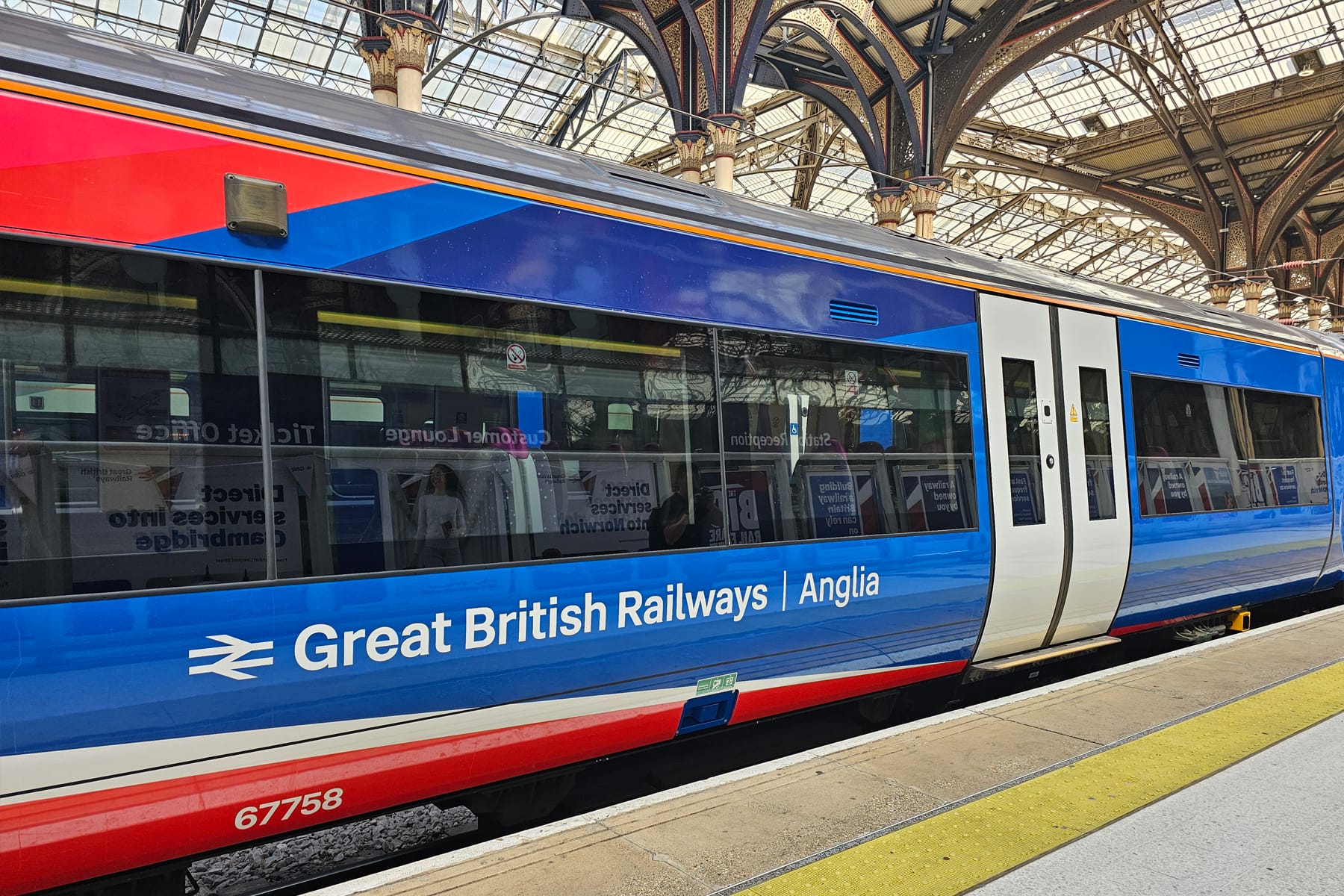
Since rail privatisation, most passenger trains have been owned by rolling stock companies, known as ROSCOs, and leased to the operators that run them. Under its new rolling stock and infrastructure strategy, Great British Railways (GBR) will assess public ownership, leasing and other financing arrangements for each future train order.
The government says existing leases will continue, as the change applies only to decisions about new trains.
That suggests that it might be a long wait to see any meaningful change as the UK’s rolling stock is actually quite young – being barely 17 years old (pdf). Obviously that masks several very old fleets, where changes would be expected anyway, but if existing leases are left alone, then the bulk of the UK’s rolling stock will remain privately owned for a good 20 years or so.
If priorities are to be looked at, then the oldest trains in England are at Chiltern Railways, followed by Northern, SWR, East Midlands and CrossCountry.
The government says it’s considering changing how it buys trains, as it could offer substantial savings in some circumstances, although it has not identified a fleet it intends to buy or put a figure on potential savings.
The financial distinction matters. According to the Office of Rail and Road’s latest annual figures (pdf), franchised train companies spent £4.1 billion on rolling stock in 2024-25. Of that, £2.7 billion went on leases from ROSCOs and around £1.5 billion on maintenance.
The regulator’s analysis of six rolling stock companies found that they received £1.3 billion in income, incurred £1 billion in expenditure and had a net profit margin of 18.5% in 2024–25. It found that they paid £275 million in dividends, down from £339 million the previous year.
While switching to in-house ownership may look like it would save a couple of hundred million per year, that would have to be offset by the upfront costs of buying the trains at a time when government finances are constrained.
For GBR, the calculation will be whether the full cost of buying, financing, maintaining and eventually replacing a fleet is lower than leasing it over its working life.
The strategy also proposes planning trains alongside track, depots and maintenance, rather than making those decisions separately.
GBR has long suggested it will try to move to more standardised “families” of trains that could be used more flexibly across the network. It says future fleets should offer better passenger information and digital connectivity, while battery trains and further electrification would help replace diesel trains.
For rolling stock manufacturers, the big gains could come from a stable long-term pipeline of work if governments can move away from the “feast and famine” that has blighted railway orders in recent decades. A recent RIA report suggested that smoothing the spikes in orders would mean a reliable workload of around 150-200 vehicles in each of the UK’s existing railway factories per year, rather than fallow years followed by overflowing order books when an occasion big order is placed. That would mean more reliable jobs at the factories and for their suppliers across the UK.
However, for customers, it’s worth remembering that the government ordered the notorious “ironing board” seats for the Thameslink trains. Be careful what you wish for.