
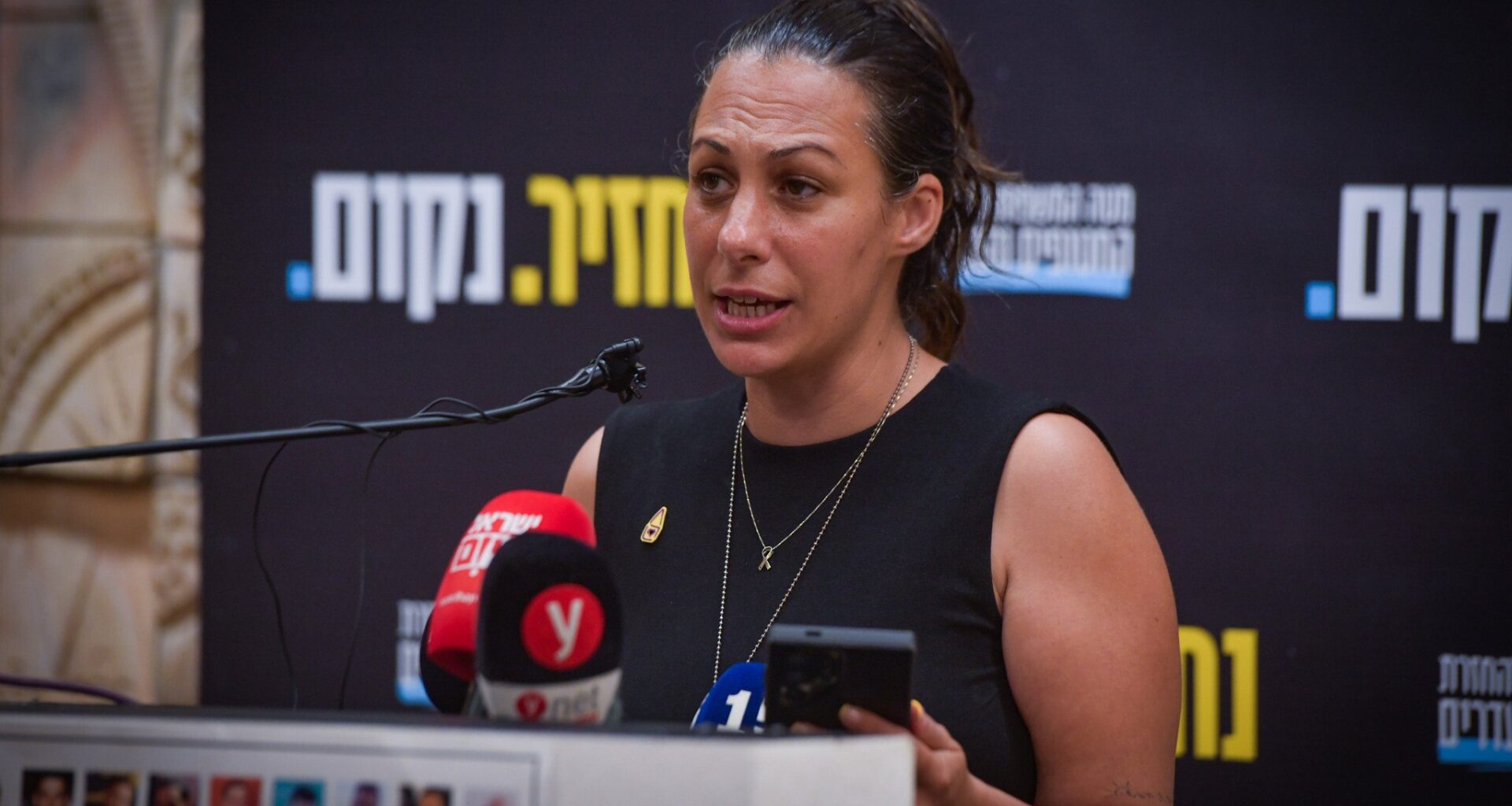
Relatives of Israeli hostages held in Gaza urged the government on Thursday to accept a proposed ceasefire deal that would free at least some of the hostages held in Gaza, fuming at Prime Minister Benjamin Netanyahu for appearing to ignore the Hamas terror group’s ostensible acceptance of terms he previously okayed.
With Netanyahu vowing to press ahead with plans to intensify fighting and conquer Gaza City, family members warned that leaving a deal to begin bringing home captives on the table and unanswered would condemn the 20 hostages still thought to be alive.
“We’re a step away from a total torpedoing” of the hostage agreement, Lishay Miran Lavi said at a press conference called by the Hostages and Missing Families Forum, which represents relatives of most of the hostages held in Gaza. Her husband Omri Miran has been held in Gaza for nearly two years.
Netanyahu has repeatedly claimed over the past 16 months to be “a step away” from the total defeat of Hamas. He repeated the contention in an interview broadcast on Australian television Thursday, saying Israel was “on the verge of completing this war,” and vowing to go through with plans to take over all of Gaza militarily — even if Hamas agrees to a ceasefire and hostage release deal.
Under intense international pressure, Hamas agreed earlier this week to a 60-day ceasefire that would reportedly free 10 living hostages, in line with an American proposal previously backed by Netanyahu’s government, and launch negotiations for the return of the rest of the hostages and an end to the war.
Get The Times of Israel’s Daily Edition
by email and never miss our top stories
By signing up, you agree to the terms
However, Netanyahu has in recent weeks shifted from supporting the partial agreement and instead now insists on a comprehensive deal rather than a partial, phased agreement. He has not convened his cabinet to discuss Hamas’s acceptance of the 60-day truce.
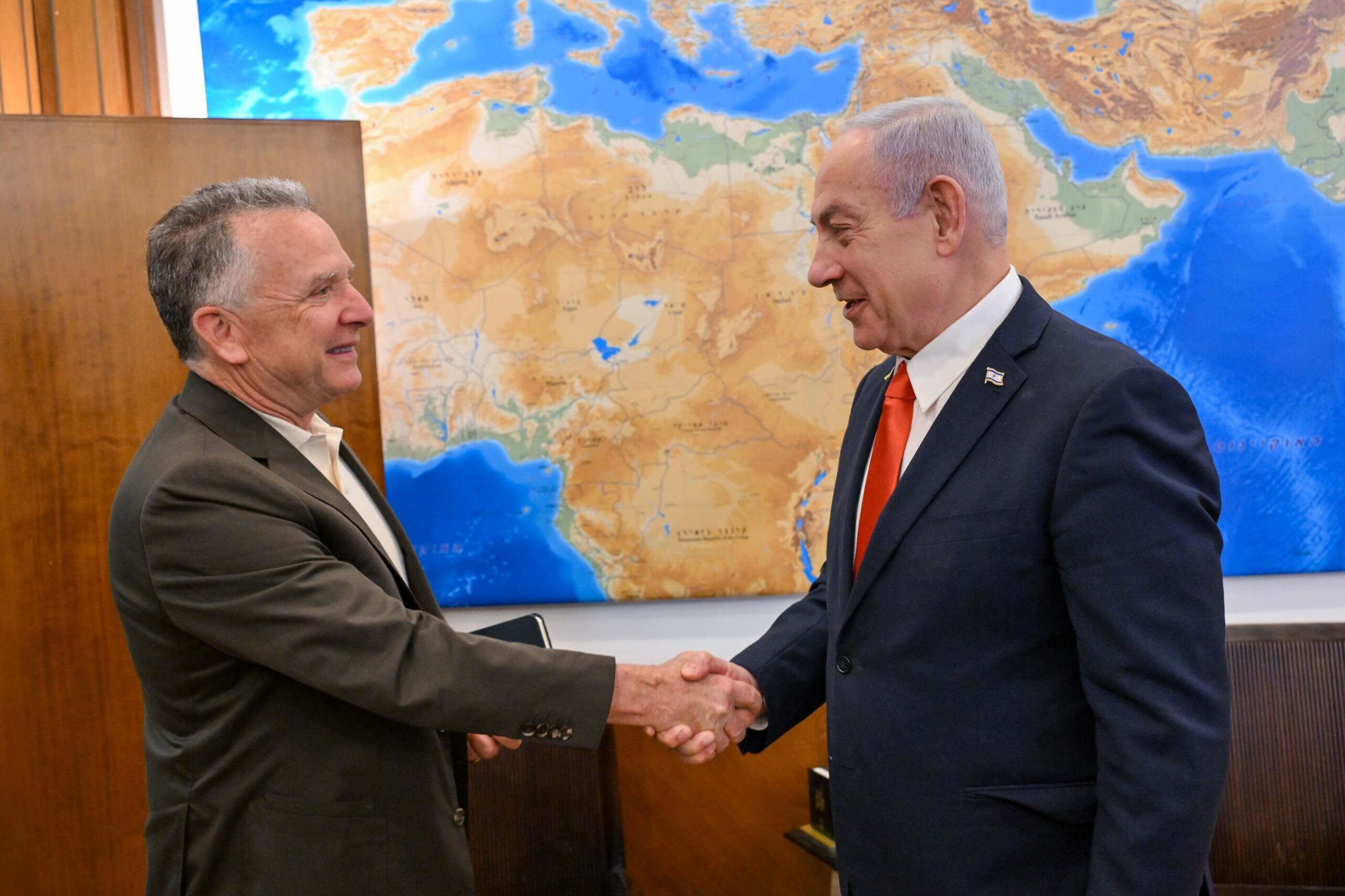
Prime Minister Benjamin Netanyahu, right, meets with US Special Envoy Steve Witkoff at his office in Jerusalem on July 31, 2025. (Kobi Gideon/GPO)
“Someone who has chosen for three days now not to respond to [Hamas’s acceptance of] an agreement the government already approved, not to convene the security cabinet or the [general] cabinet, has essentially chosen to sacrifice the hostages,” said Bar Goddard, daughter of Manny Goddard, who was killed on October 7 and whose body is one of at least 28 deceased hostages being held in Gaza.
An unnamed senior Israeli official told Hebrew media outlets on Wednesday that Israel does not currently plan to dispatch a team to Qatar or Egypt to take part in talks aimed at reaching a deal. Reports also suggested that Israel has, for the time being, decided to avoid responding at all to the phased deal approved on Monday by Hamas.
“There’s an agreement on the table that can save living hostages and bring deceased ones back for a proper burial,” Miran Lavi said. “Hamas has agreed, but the Prime Minister’s Office is working on torpedoing it, which will be a death sentence for the living hostages and condemn the deceased ones to remain lost.”
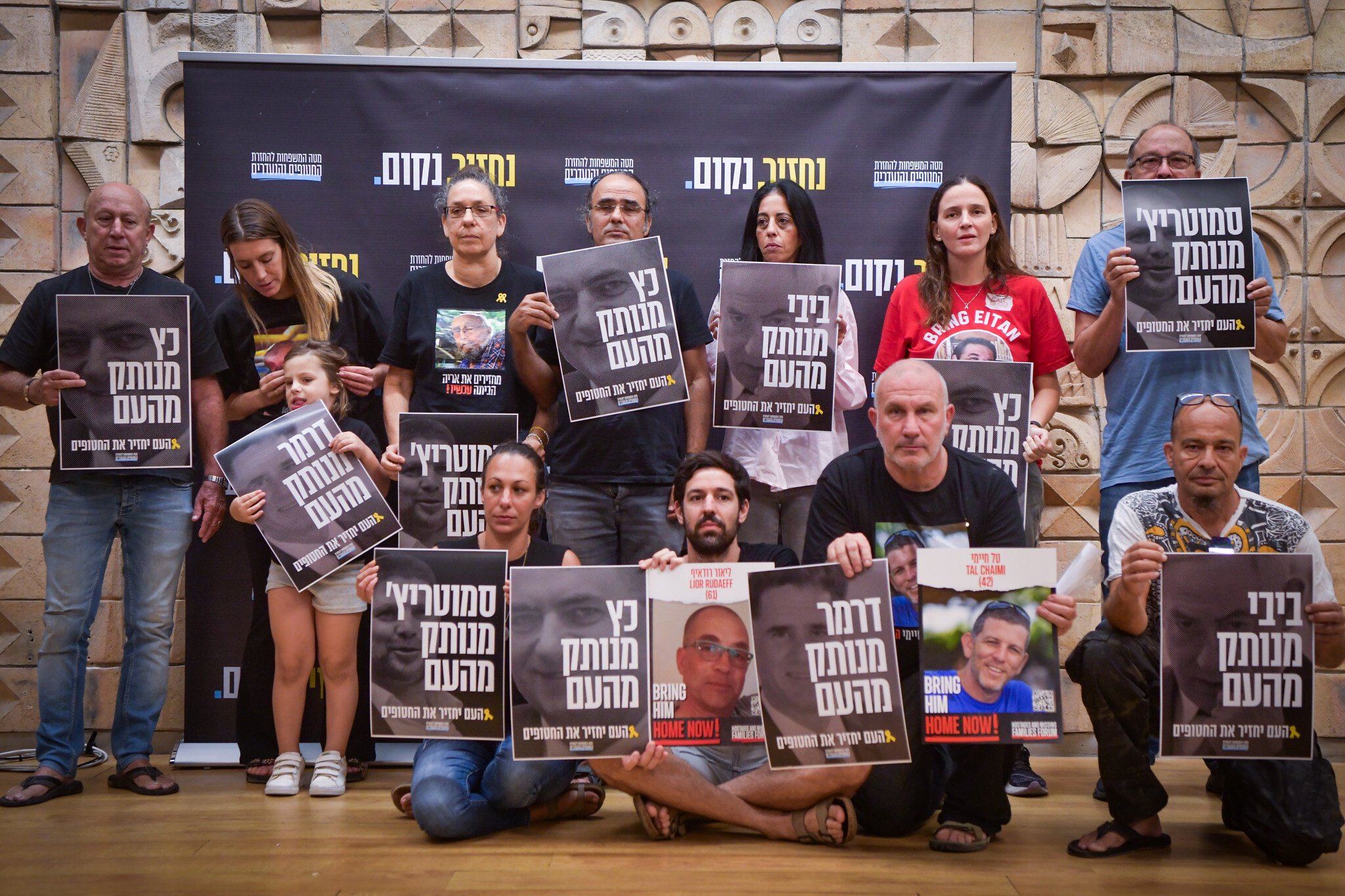
Families of Israelis held hostage in Gaza at a press conference in Tel Aviv on August 21, 2025. (Avshalom Sassoni/Flash90)
Fifty hostages remain held captive in Gaza — 49 of the 251 taken hostage on October 7, and the body of a soldier who was killed in 2014. Israeli officials have declared that 28 of them are dead, while 20 are believed to be alive, and there are grave concerns for the well-being of two others.
In the first ceasefire deal in November 2023, 105 hostages were freed by Hamas, and another 30 were released in another deal in January-February 2025 alongside the bodies of eight slain hostages, which were returned to Israel. Five other hostages have been freed outside of these deals, while eight have been rescued by IDF troops, and the bodies of 49 captives have been recovered from Gaza throughout the war.
Channel 12 news reported on Monday that a senior member of Israel’s negotiation team told families that officials were seeking to leverage Hamas’s weakened position to reach a more comprehensive agreement, without giving up the possibility of securing the narrower deal Hamas has already accepted.
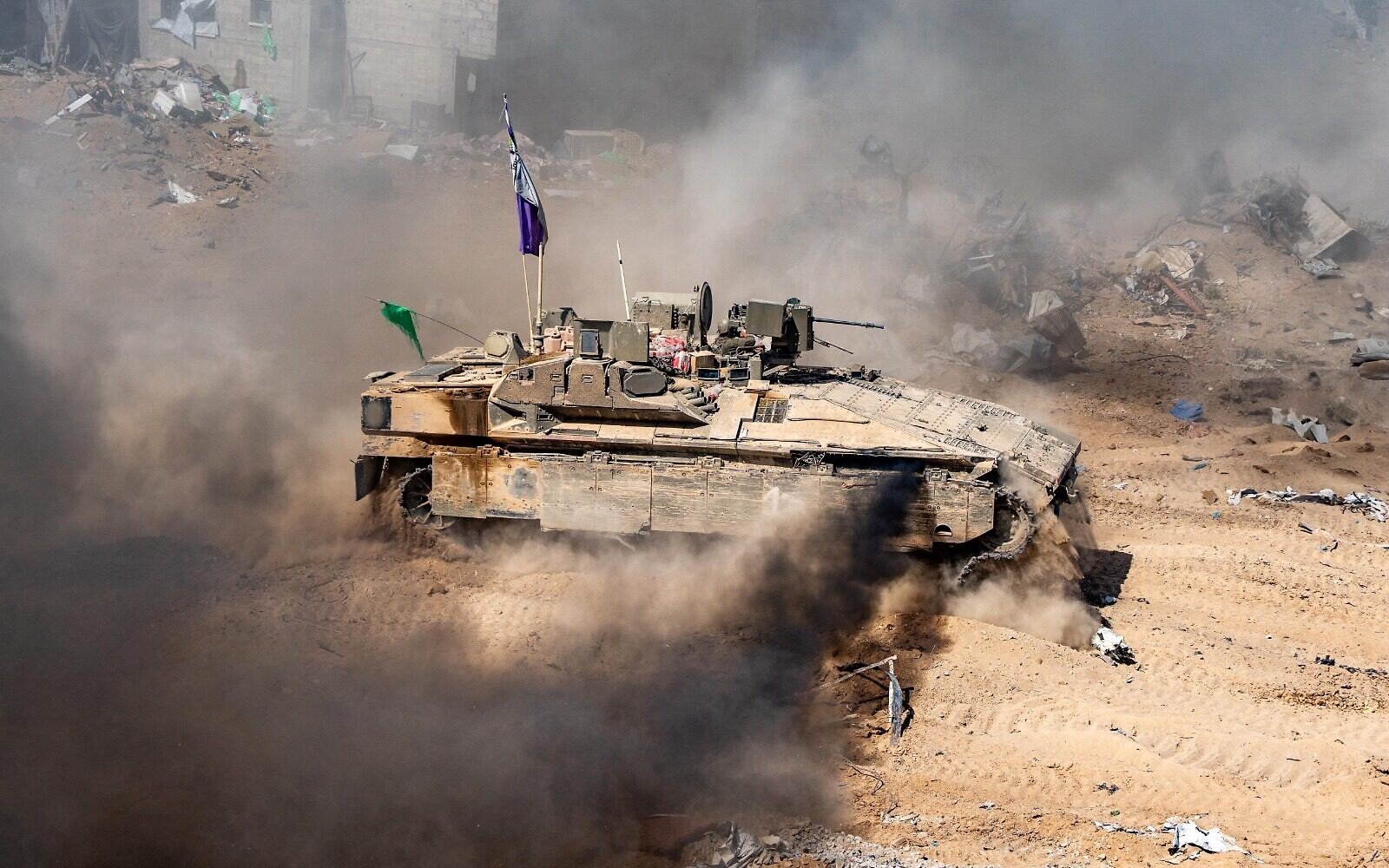
Israeli forces operate in the Gaza Strip, in a handout image published on August 20, 2025. (Israel Defense Forces)
The proposal to forge a partial hostage release deal, potentially leading to a final one, has garnered significant opposition from hard-right elements in Netanyahu’s coalition. However, opposition parties have promised to provide him with the necessary political cover to approve a deal.
Critics of Netanyahu, including the Hostages and Missing Families Forum, have accused him of making wartime decisions according to political considerations, a charge he forcefully denies, and of passing up past opportunities to reach a deal.
Netanyahu has in the past demanded that Israel reserve the right to resume fighting, while Hamas insists that it will only consider releasing all the hostages in exchange for a guaranteed end to the war. To bridge the divide, international mediators have focused on partial agreements meant to lead to a permanent settlement.
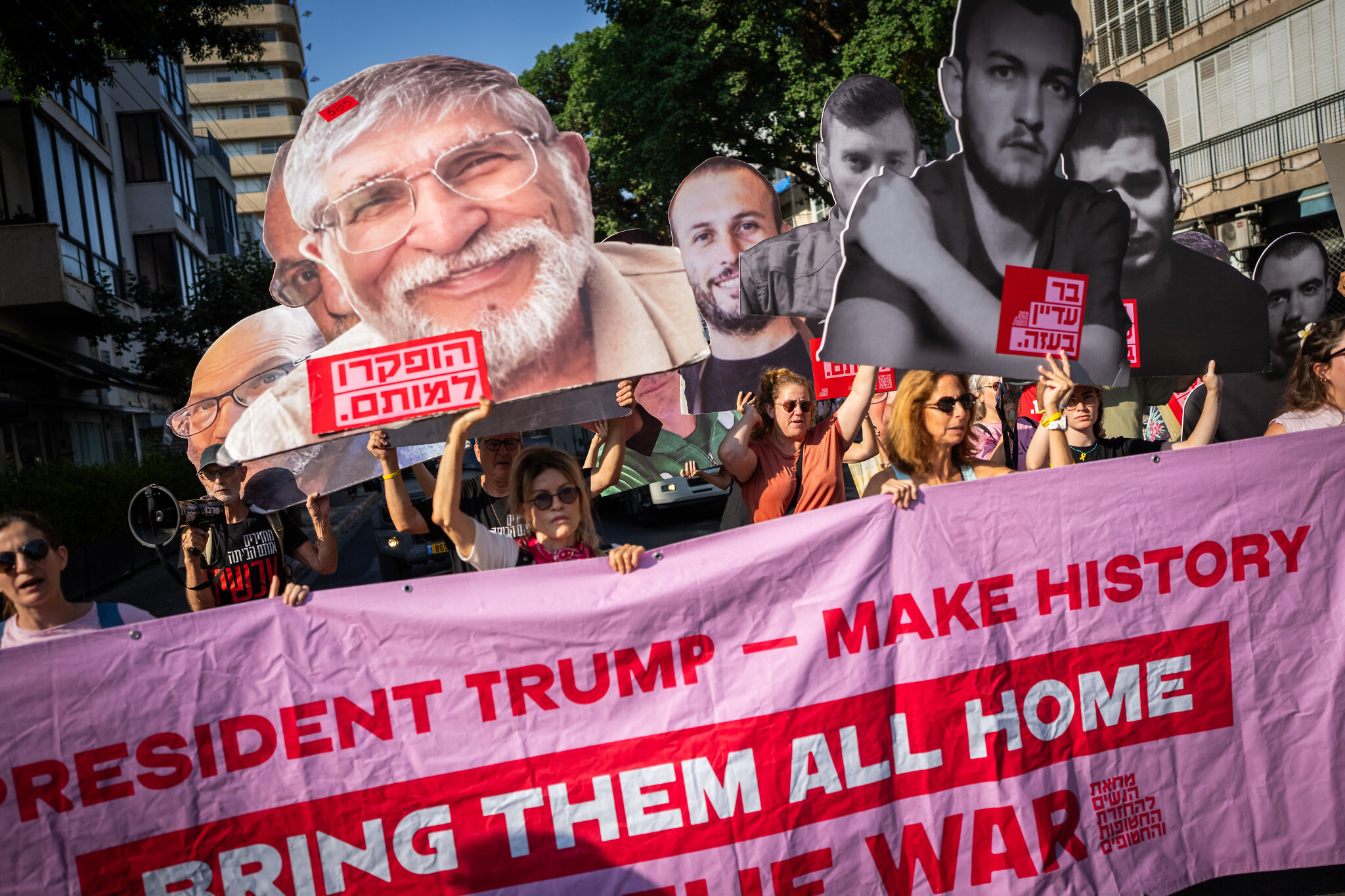
Demonstrators protest for a hostage deal in Tel Aviv on August 21, 2025. (Erik Marmor/Flash90)
The terror group claimed this week that it had agreed to a deal based on a framework previously proposed by US Special Envoy to the Middle East Steve Witkoff, which would commit the terror group to release 10 living hostages and the bodies of 18 of the slain hostages, in exchange for a 60-day ceasefire and the release by Israel of hundreds of Palestinian security prisoners. The ceasefire deal would also include talks for a permanent end to the war.
“There’s a deal on the table. This is the opening we need for a comprehensive deal. We must sign it immediately,” Dalia Cusnir, whose brother-in-law Eitan Horn is among the hostages, said in English.
“We cannot support more fighting. We must make it clear: With this deal, negotiations must begin immediately for a comprehensive agreement that will bring them all back and end this war,” she added, calling on Witkoff and US President Donald Trump to put pressure on Jerusalem to agree to the deal.
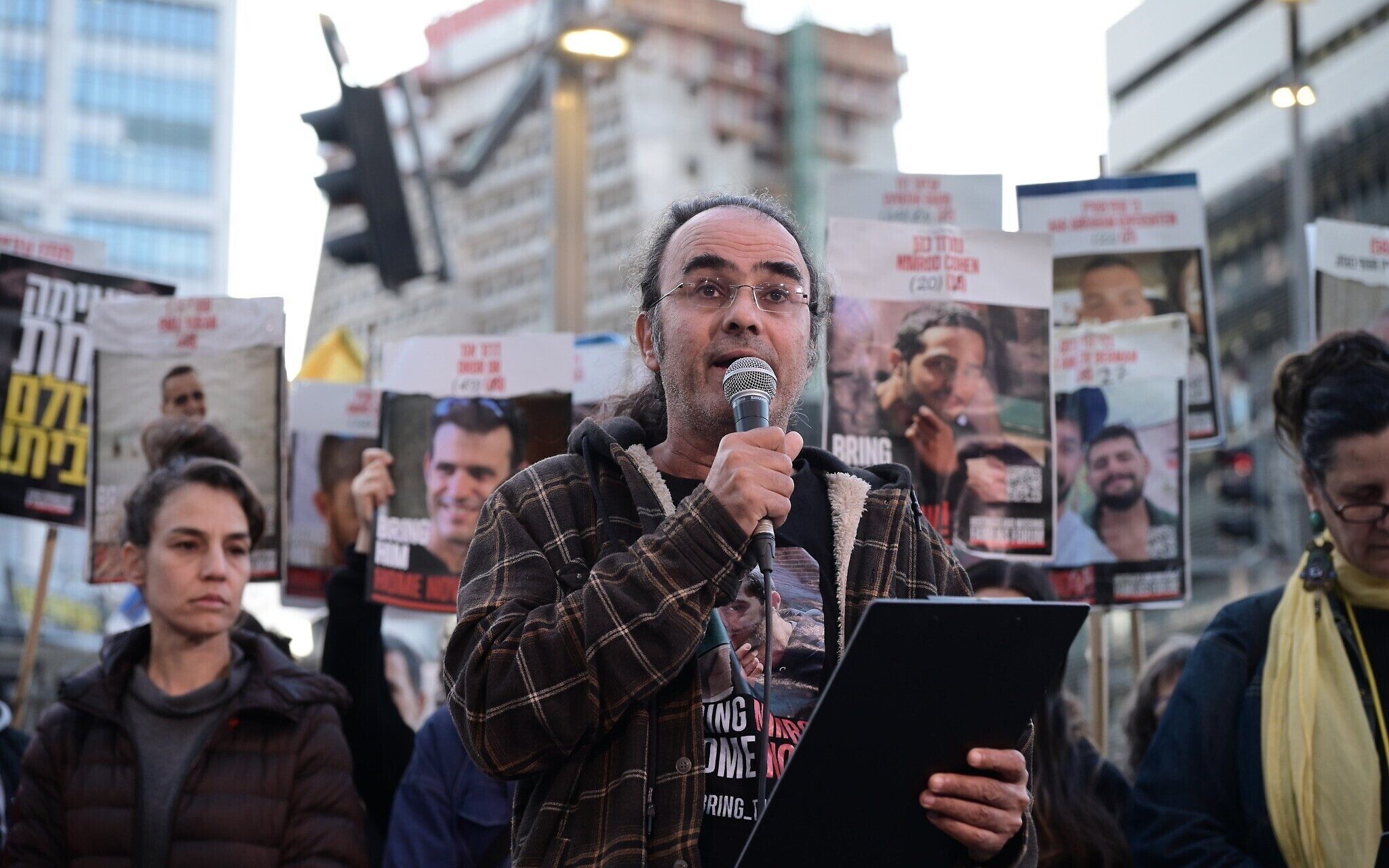
Yehuda Cohen, father of hostage soldier Nimrod Cohen, and other relatives of Israeli captives in Gaza hold a press conference in Tel Aviv on March 22, 2025. (Avshalom Sassoni/Flash90)
Yehuda Cohen, the father of hostage Nimrod Cohen, voiced fears that an intensification of fighting would put hostages in harm’s way, noting that it was now the one-year anniversary since six hostages were executed by their captors as troops unknowingly closed in on their position.
He claimed that Israel Defense Forces soldiers had captured video footage in Gaza showing his son, vowing to fight for it to be published.
“Again, Netanyahu is presenting impossible conditions for a deal. This is of course to buy time and extend the war in order to serve the messianic extremists in the government,” he charged. “He plans to force the IDF to enter areas where they are being held alive… killing the rest of the living hostages.”
You appreciate our journalism

You clearly find our careful reporting valuable, in a time when facts are often distorted and news coverage often lacks context.
Your support is essential to continue our work. We want to continue delivering the professional journalism you value, even as the demands on our newsroom have grown dramatically since October 7.
So today, please consider joining our reader support group, The Times of Israel Community. For as little as $6 a month you’ll become our partners while enjoying The Times of Israel AD-FREE, as well as accessing exclusive content available only to Times of Israel Community members.
Thank you,
David Horovitz, Founding Editor of The Times of Israel