
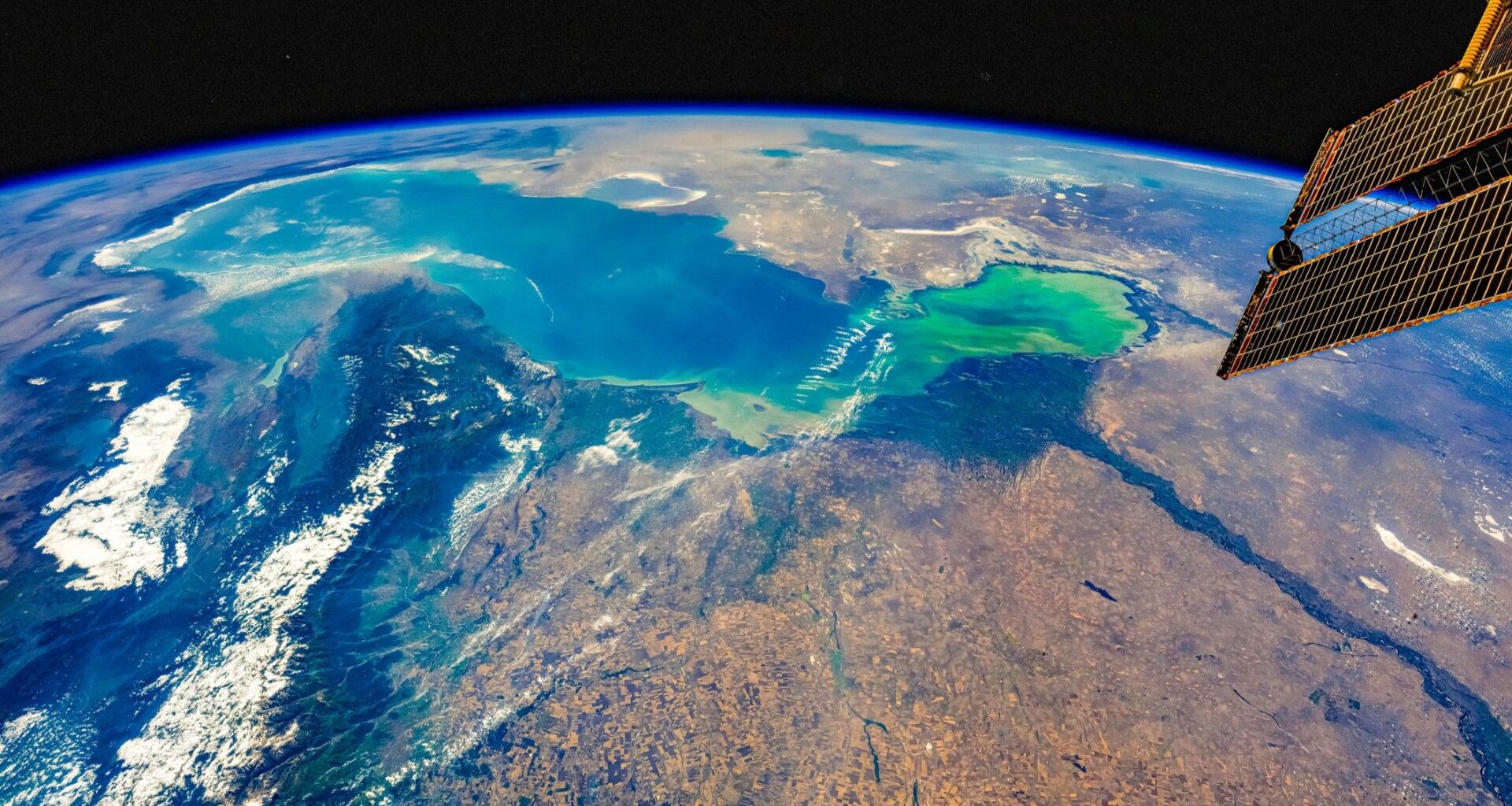
Earth’s life-support systems are in peril — and they’re getting worse — but although the window for action is closing, we still have a chance to give our planet a sustainable future, a new report finds.
The report, called “Planetary Health Check 2026,” was written by more than 60 scientists and assessed the state of interconnected natural systems, or planetary boundaries, upon which Earth’s stability and resilience depend. When these boundaries are crossed, researchers say there’s an increasing risk of serious and irreversible harm.
You may like
Planetary health check
The El Niño in the room
This year’s report comes as Earth is experiencing an unprecedented El Niño event, which is injecting extra heat into our already-warming world and threatening widespread disruption to both humans and nature. We will have to wait until next year’s report to see how the forecast global temperature rise will impact the already-struggling planetary boundaries.
What to read next
Boundaries in the danger zone
Image 1 of 4
(Image credit: Abstract Aerial Art via Getty Images)
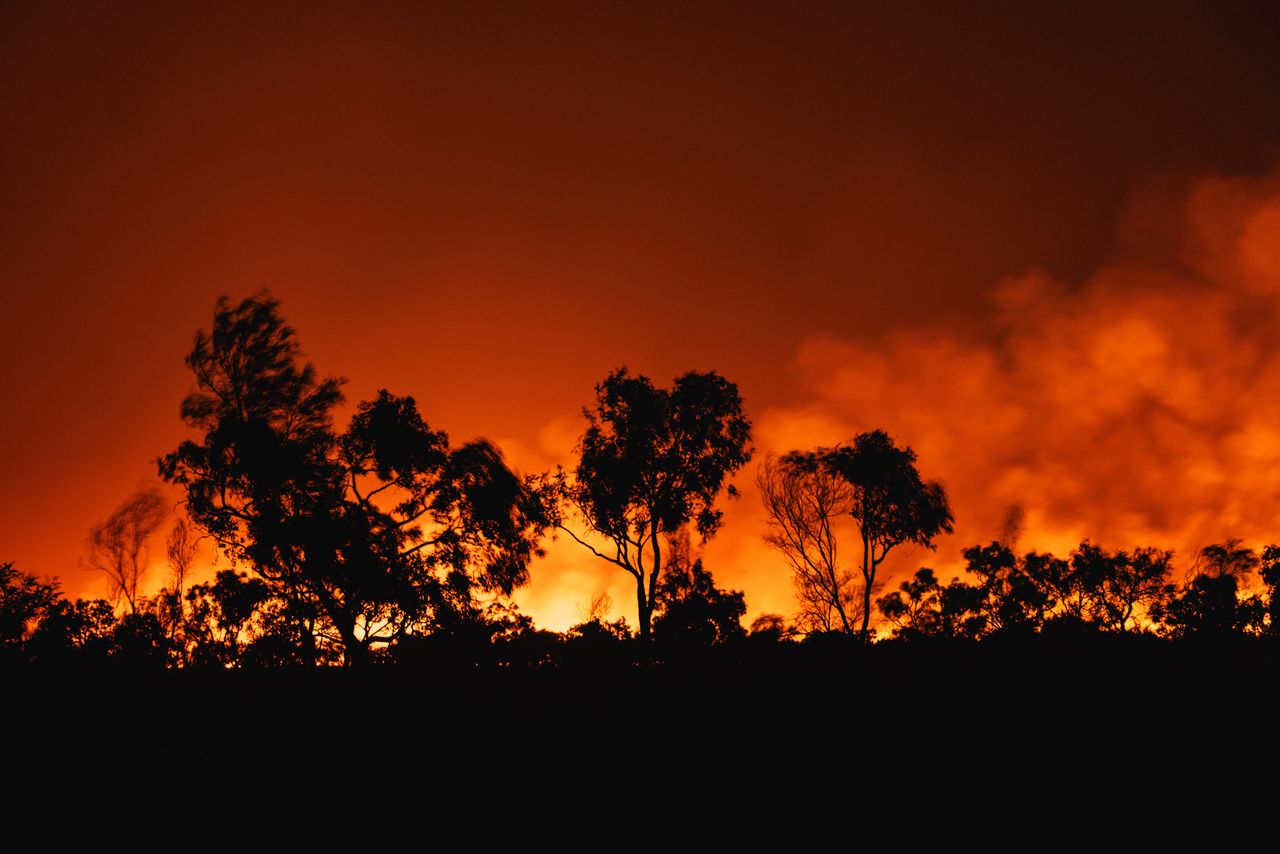
Climate change
(Image credit: Abstract Aerial Art via Getty Images)
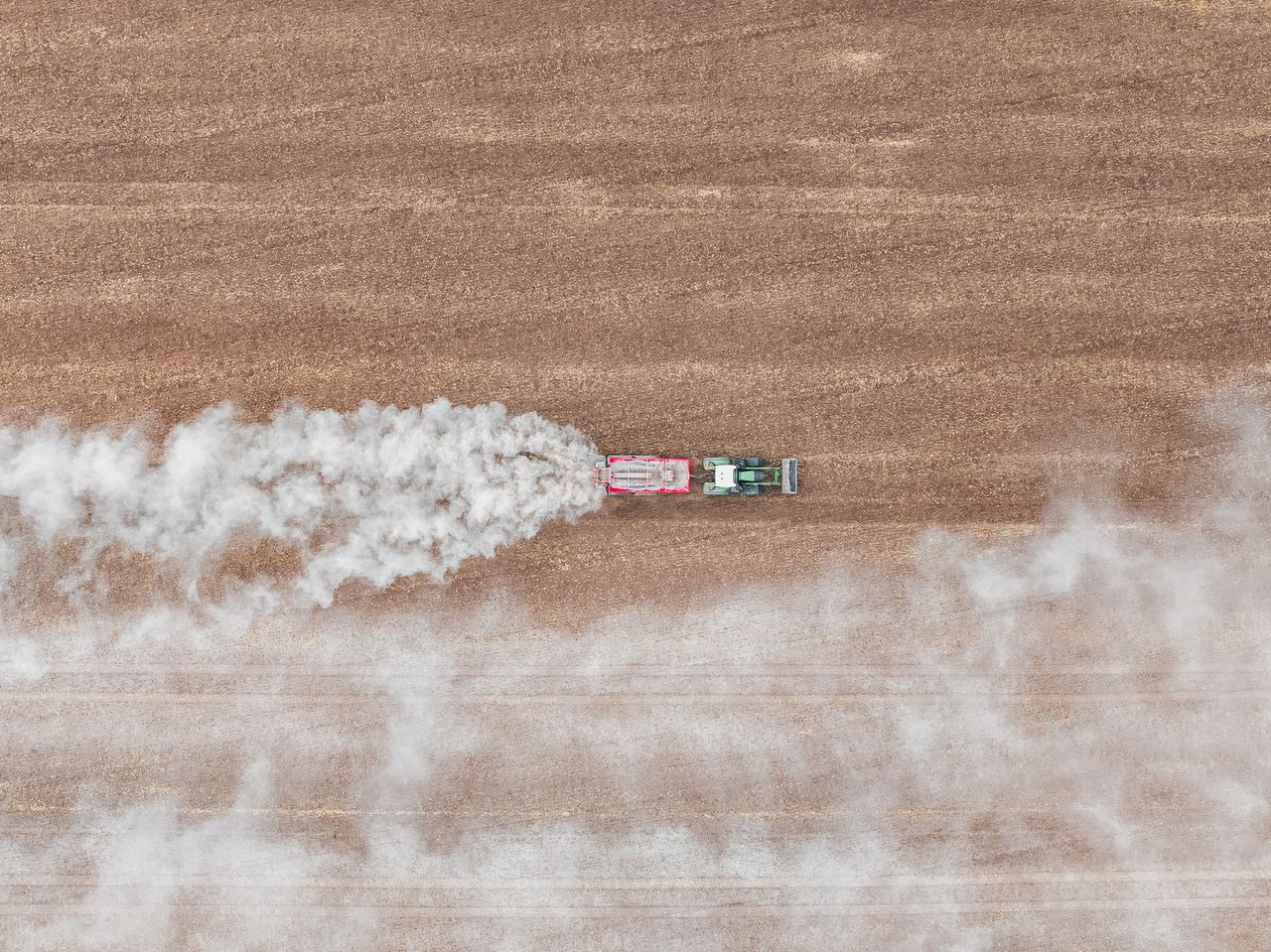
Modification of biogeochemical flows

(Image credit: Alistair Berg via Getty Images)
Introduction of novel entities
(Image credit: Education Images/Universal Images Group via Getty Images)
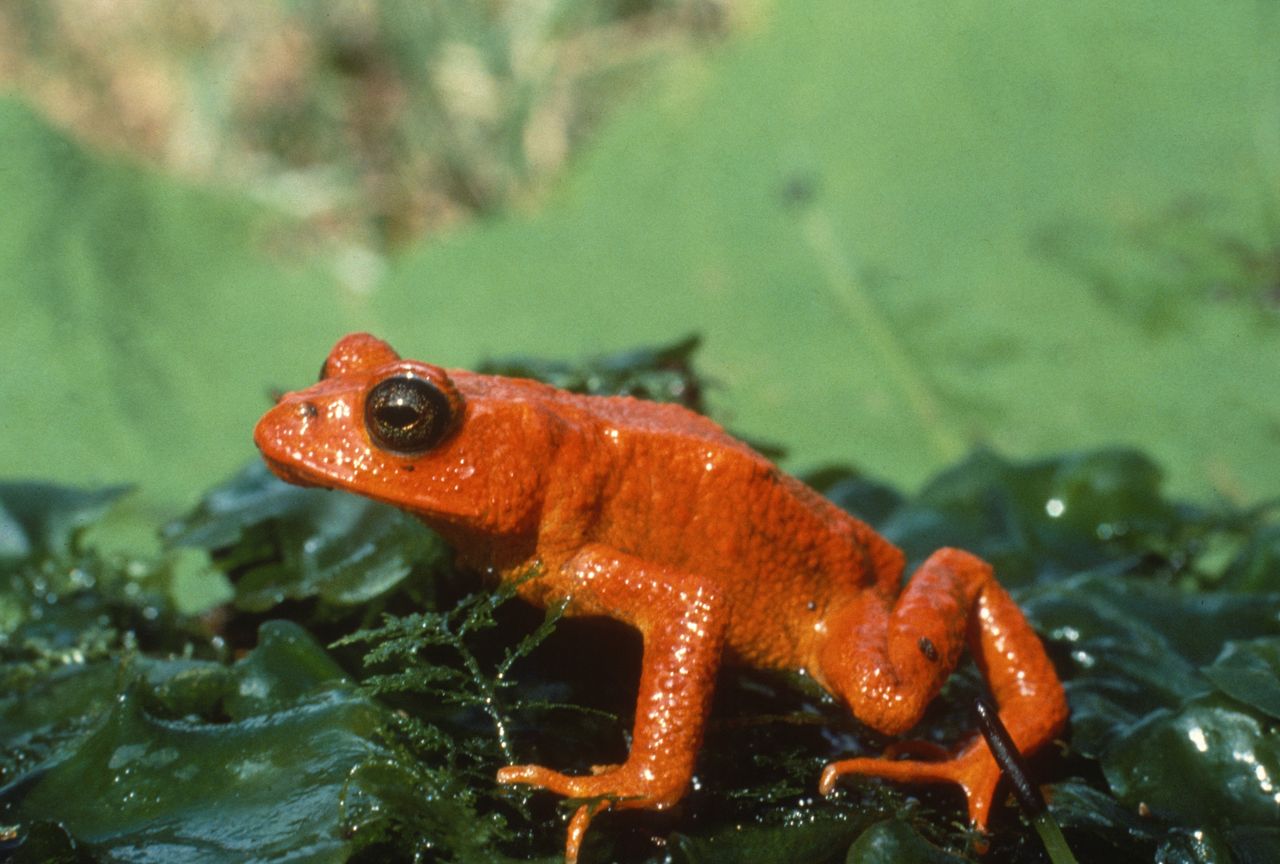
Changes in biosphere integrity