
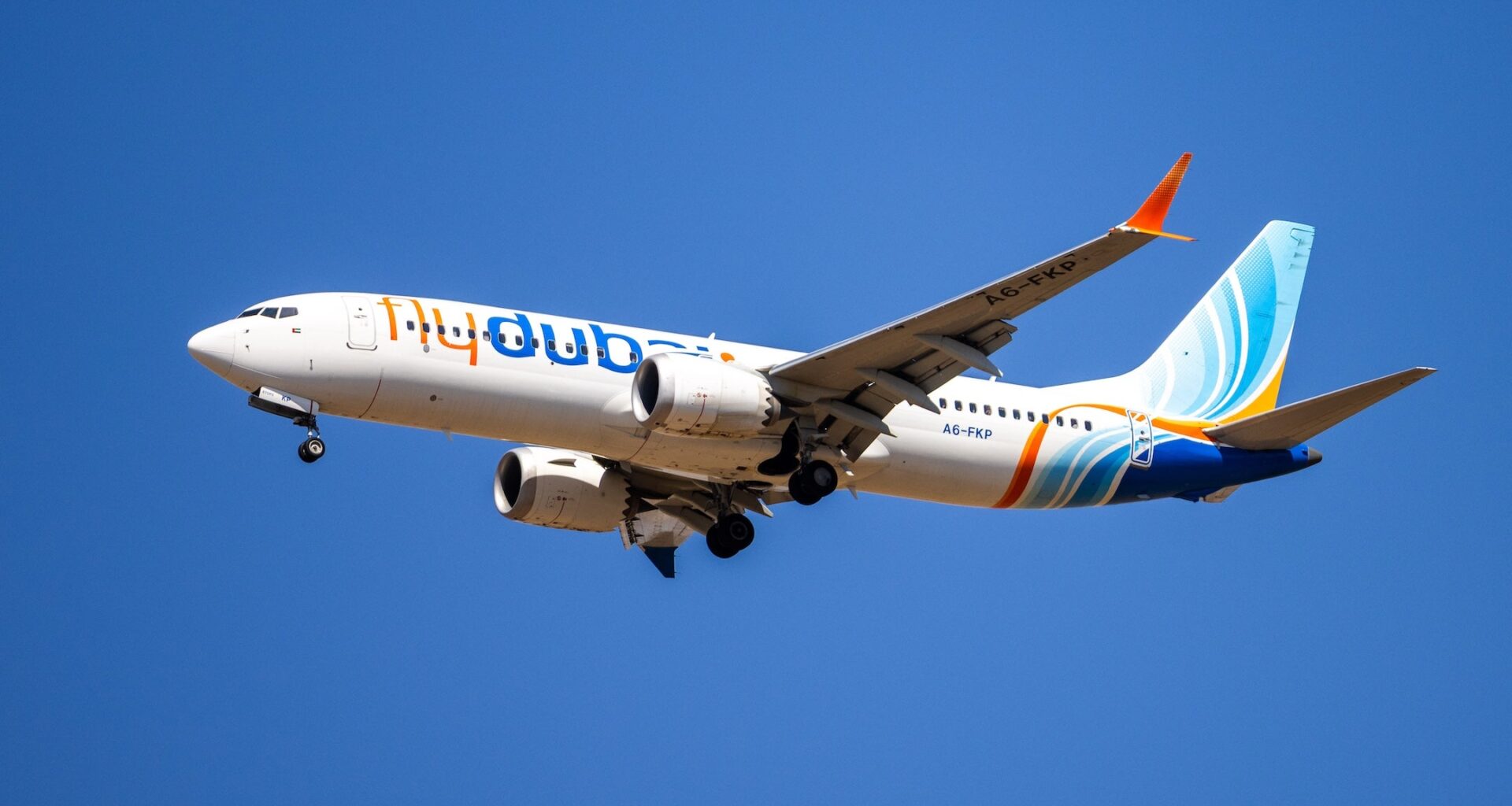
TEL AVIV – The apparent hijacking attempt aboard flydubai Flight 1073 has put a spotlight on the Emirati airline, which has become a main air link connecting Israelis to the rest of the world.
The incident could also test the relationship between Israel and one of the airlines that has come to symbolize the ties forged by the 2020 Abraham Accords, in which the United Arab Emirates was one of a small number of Arab countries that recognized Israel.
Flydubai, a Dubai government-owned airline, began operating in 2009 and launched regular flights to Israel in 2020, shortly after the UAE and Israel established diplomatic relations.
When war broke out in Israel in October 2023, many foreign airlines suspended flights to the country for extended periods. Flydubai and other UAE airlines continued operating flights to and from Israel through much of the conflict, providing an important connection for Israelis seeking to travel abroad at a time when international air service to the country was severely reduced.
The airline has also become an important hub for Israelis traveling beyond the UAE itself. Through Dubai, passengers can connect to destinations across Asia, Africa and other regions. The airline operates dozens of flights between Tel Aviv and Dubai each week.
According to Ben Gurion Airport data for August, flydubai carried roughly 90,000 passengers during the month. Since the beginning of 2026, more than 420,000 passengers have flown with the airline to or from Ben Gurion, accounting for roughly 4% of the airport’s international passenger traffic and placing it third among international airlines operating at the airport by passenger volume.
The incident aboard Flight 1073 could now put that relationship under scrutiny.
Israel’s Transportation Minister Miri Regev has reportedly asked Prime Minister Benjamin Netanyahu to immediately suspend flydubai flights to Israel until the circumstances of Wednesday’s incident are clarified, according to Israeli news outlet Ynet.
Regev said flydubai had violated the countries’ aviation agreement, which she described as requiring pilots operating flights to Israel to be citizens of countries with which Israel maintains diplomatic relations. Israeli and international media have reported that the co-pilot who instigated the incident was an Omani national.
Former Israeli Ambassador to the UAE Amir Hayek pushed back against calls to suspend the flights, however. In a post on X, Hayek wrote that flydubai and Etihad were the only two airlines in the world that continued flying to Israel “even during the most difficult times,” and argued that the UAE and the airline should be allowed to fully investigate what happened rather than face action based on speculation.
“I trust them,” he wrote.
The episode comes as Flydubai continues to expand its global network. The airline said this month that it was operating an average of 2,200 flights a week and serving more than 125 destinations in 56 countries. Its partnership with the major airline Emirates gives passengers access to a combined network of more than 214 unique destinations in more than 100 countries, with more than 4,600 possible connections through Dubai.
As the Year Turns, Support the Journalism You Trust. JTA covers the stories shaping Jewish life around the world — with the depth this moment calls for. As you reflect on the year ahead, consider a gift that keeps independent Jewish journalism strong.
One-time
Monthly
Choose an amount to donate
$72$180$360$500
Support Us