
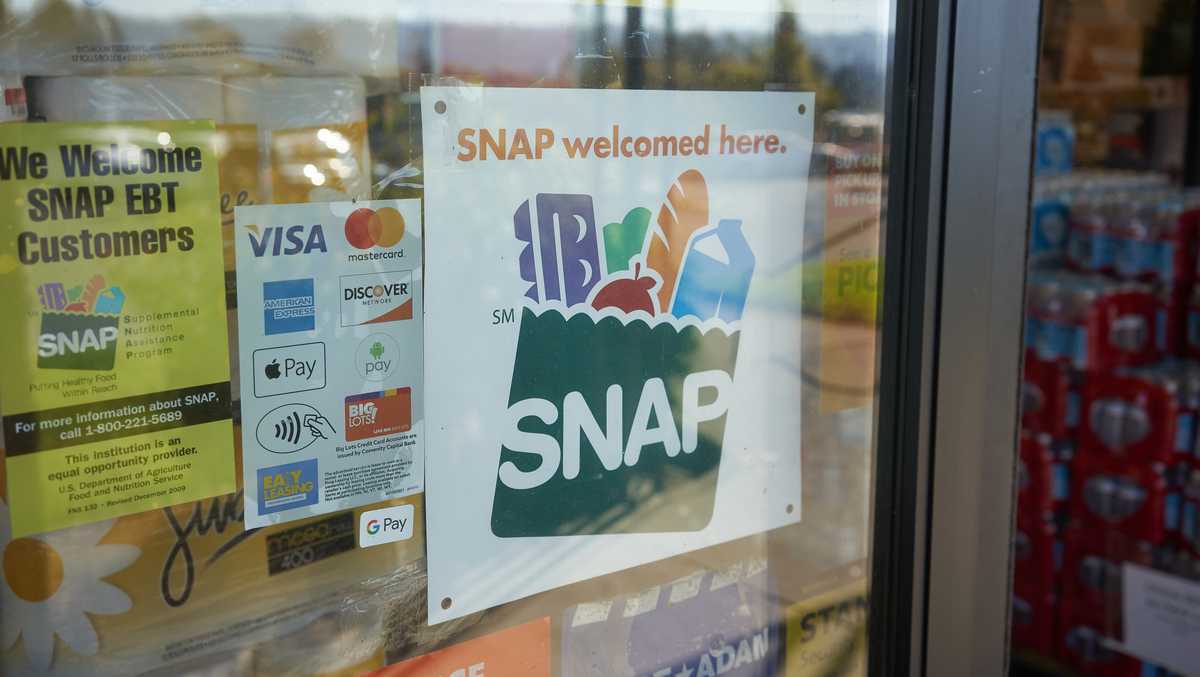
Changes to SNAP benefits begin Thursday: Here’s what it means for your wallet

Major changes to the Supplemental Nutrition Assistance Program go into effect Thursday for millions of Americans.
In the short term, most recipients will see a slight bump in payments to buy groceries. But in coming months, households could face stricter eligibility requirements.
Every year on Oct. 1, the federal government adjusts its monthly SNAP benefits to account for inflation.
In the 48 contiguous states and the District of Columbia, the maximum monthly benefit for a single-person household rises to $306 from $298. For a family of four, the maximum increases to $1,023 from $994. Actual benefits vary based on household income, size and expenses, and the maximum amounts are higher in Alaska, Hawaii, Guam and the U.S. Virgin Islands.
The annual adjustments are intended to account for changes in food costs.
Trump’s law shifts costs to states
At the same time, states must begin paying 75% of SNAP’s administrative costs, up from 50%, while the federal government’s share falls to 25%.
Those expenses include the work of running the program, rather than the food benefits deposited for recipients. Federal law is also scheduled to require some states to contribute toward benefit costs beginning in October 2027, based on their payment error rates.
The changes stem from a 2025 tax and spending law signed by President Donald Trump.
The benefit increases and state cost shift begin as the federal fiscal year starts Thursday.
Fewer people are receiving SNAP benefits
The Supplemental Nutrition Assistance Program, known informally as food stamps, provides monthly payments to help low-income residents to buy food.
More than 37 million people nationwide received SNAP benefits in March, according to preliminary USDA figures.
That’s down nearly 5 million people — over 11% — from a year earlier.