
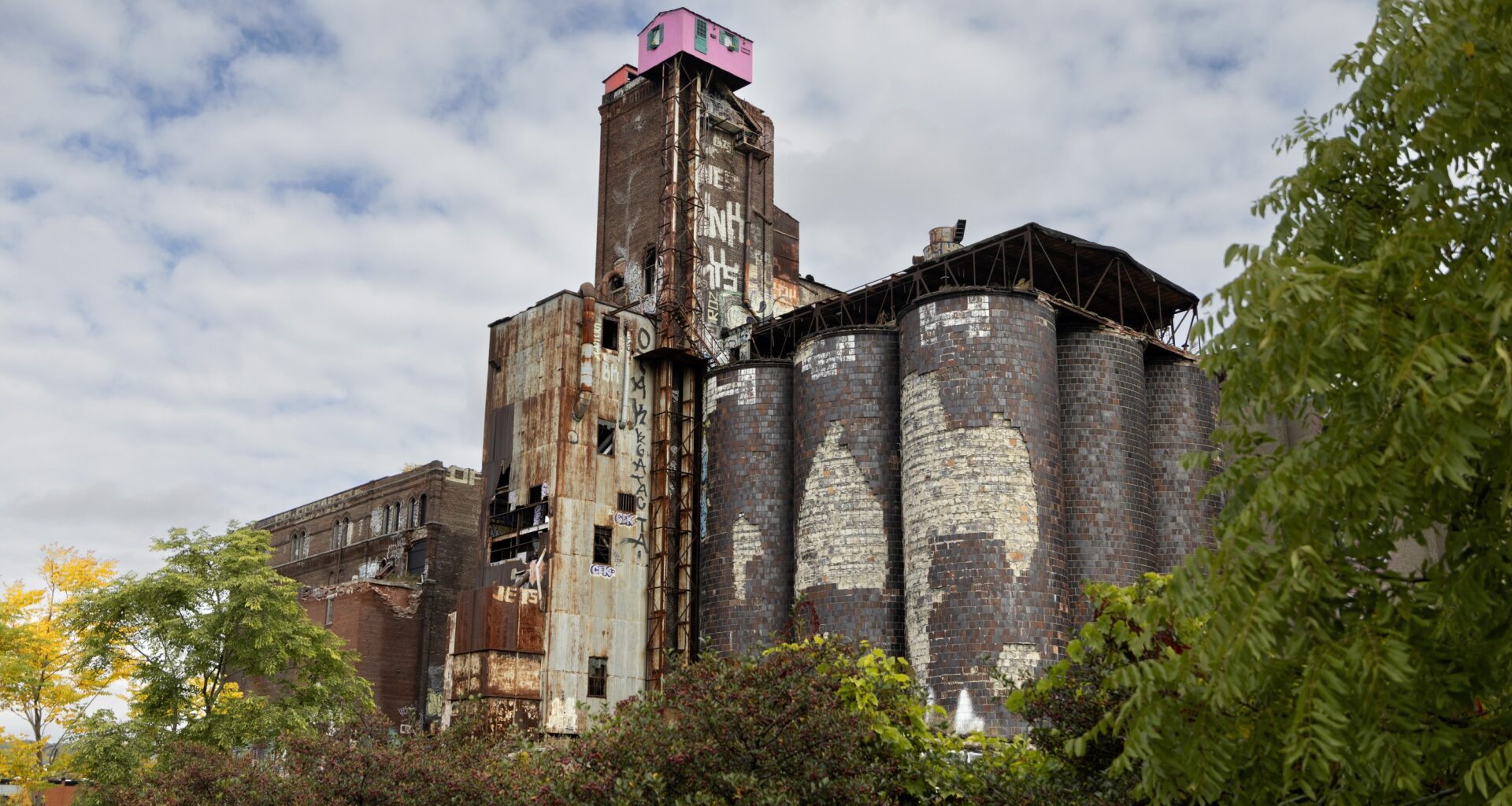
The former Canada Malting plant in Montreal’s St-Henri neighbourhood poses an immediate structural risk and needs to be demolished before collapsing, a new engineering report says.
The iconic landmark, next to the Lachine Canal, has long been abandoned and has now reached what the report describes as a “state of irreversible ruin.”
“The risk of structural collapse is immediate and unpredictable,” wrote André Houle, the engineer who authored the report. “It could occur at any moment, without any warning signs.”
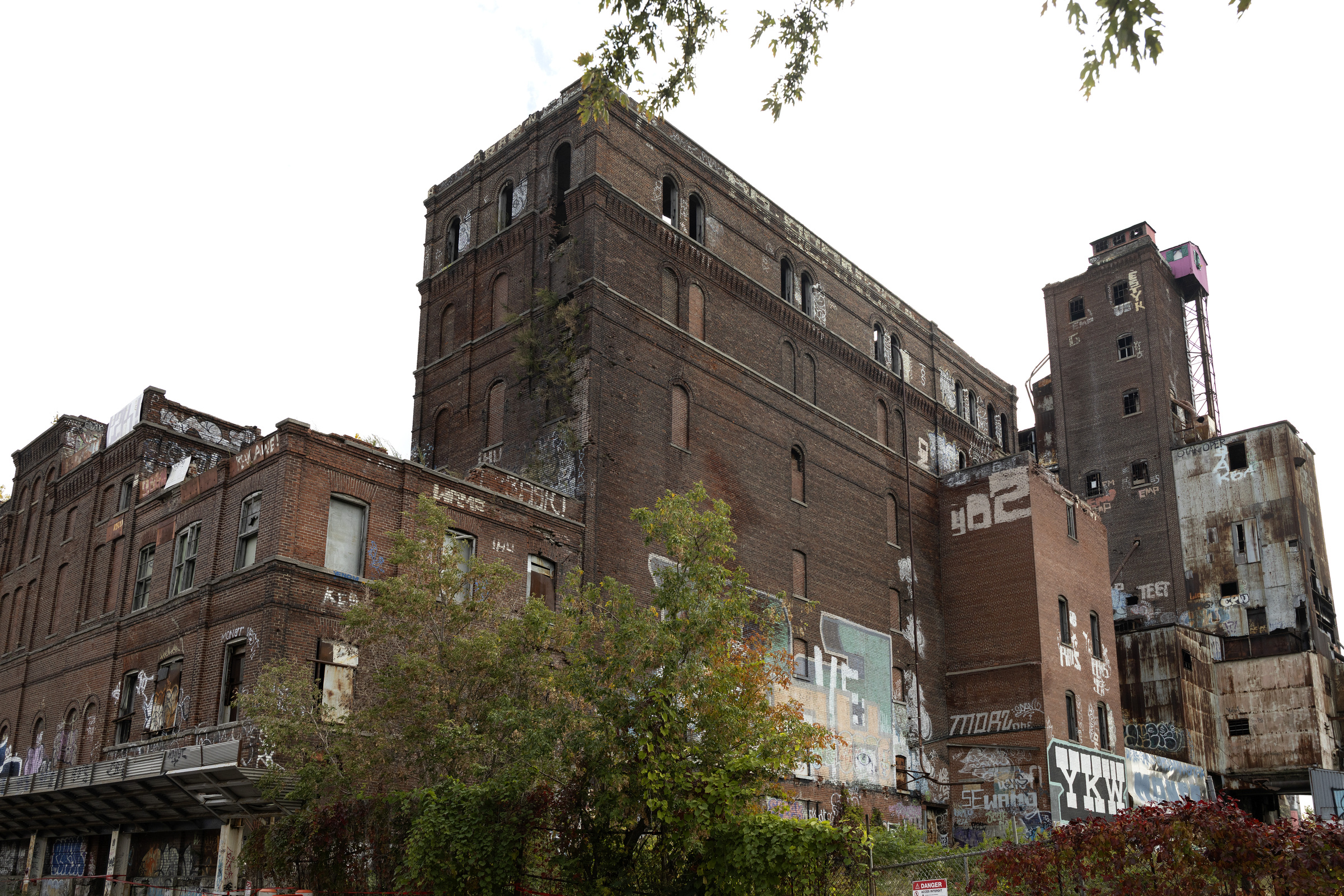 The former Canada Malting industrial site in Montreal’s St-Henri neighbourhood. Allen McInnis / Montreal Gazette
The site’s owners commissioned the report this summer at the request of the Sud-Ouest borough, which is reviewing their proposal to turn the site into a 685-unit housing development.
In a statement Thursday, borough mayor Véronique Fournier said steps are being taken to secure the site, including closing the stretch of St-Ambroise St. in front of the plant.
But Fournier said the borough is also having the report independently reviewed.
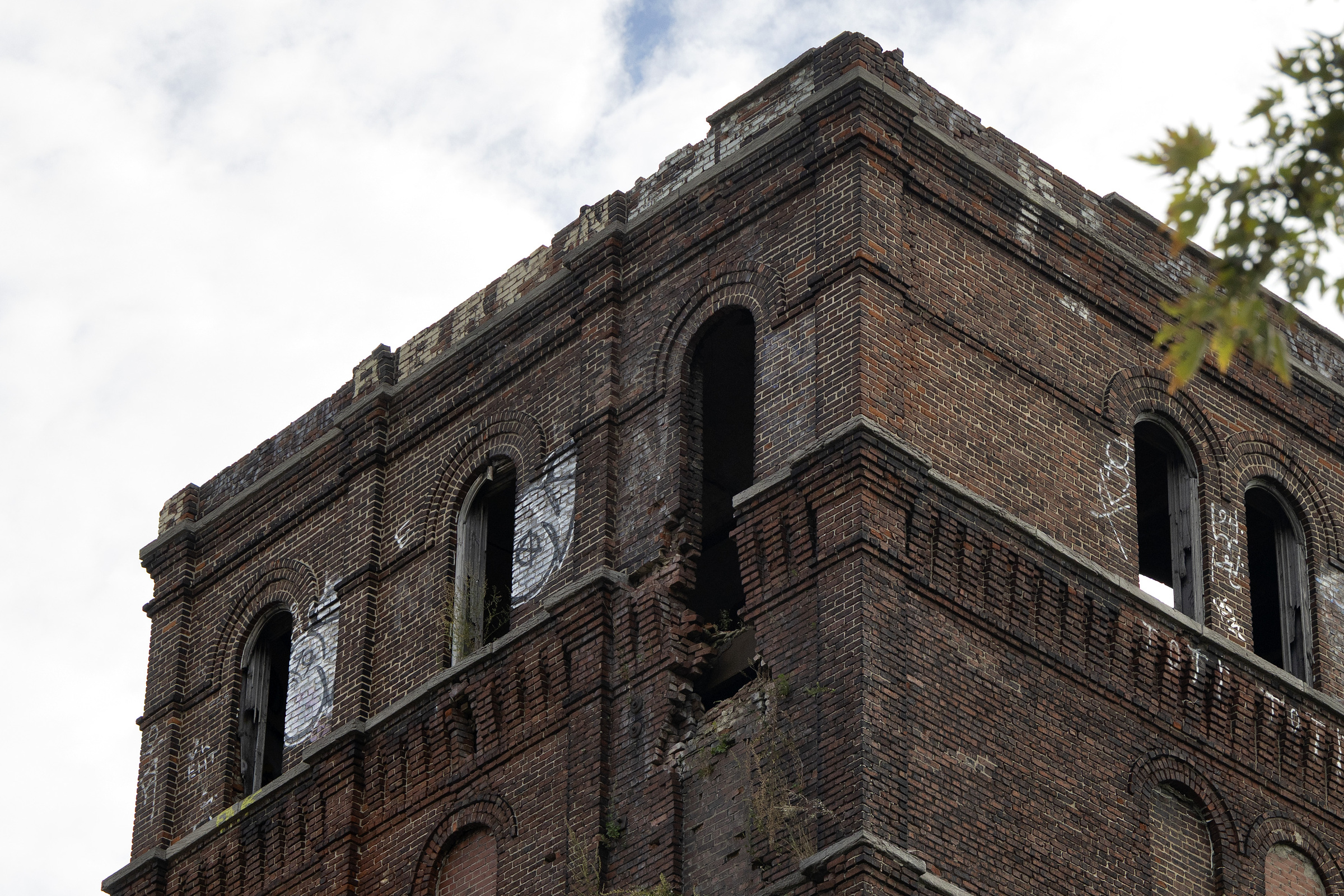 The walls of the upper sections of the former Canada Malting site have been deemed unsafe and at risk of collapse. Allen McInnis / Montreal Gazette
 Allen McInnis /Montreal Gazette
“Given its heritage value, its complexity, and the deep attachment Montrealers feel toward the symbol it represents, we deemed it our duty to verify whether the emergency demolition of part of the site was truly justified,” Fournier wrote.
Houle’s report draws particular attention to the building’s brick facade on St-Ambroise St., but deems the overall site to be beyond repair, suggesting its different components and silos should all be razed.
Built in 1905 and expanded in 1930, the plant malted barley used to produce beer, spirits and food products. It was abandoned in the 1980s, but has remained a neighbourhood landmark. In 2019, a control cabin atop a grain silo was painted pink and decorated, gaining its own popularity.
 The mysterious little pink house that sits atop the old Canada Malting plant. Dave Sidaway / Montreal Gazette files
How the site should be redeveloped has been debated for years.
Community organizations and advocates have long demanded any project should meet the neighbourhood’s social housing needs and preserve part of the site’s heritage.
Under the current proposal, 20 per cent of the project’s 685 units would be dedicated to social housing. Hugo Lanscotte, a community organizer with CDC Solidarité Saint-Henri, said Thursday that share should be much higher.
He also stressed how important the site is to the community.
“While safety concerns are a logical factor, the site also carries significant heritage importance — both in terms of its historical value and the sense of belonging it fosters among people in the neighbourhood,” Lanscotte said.
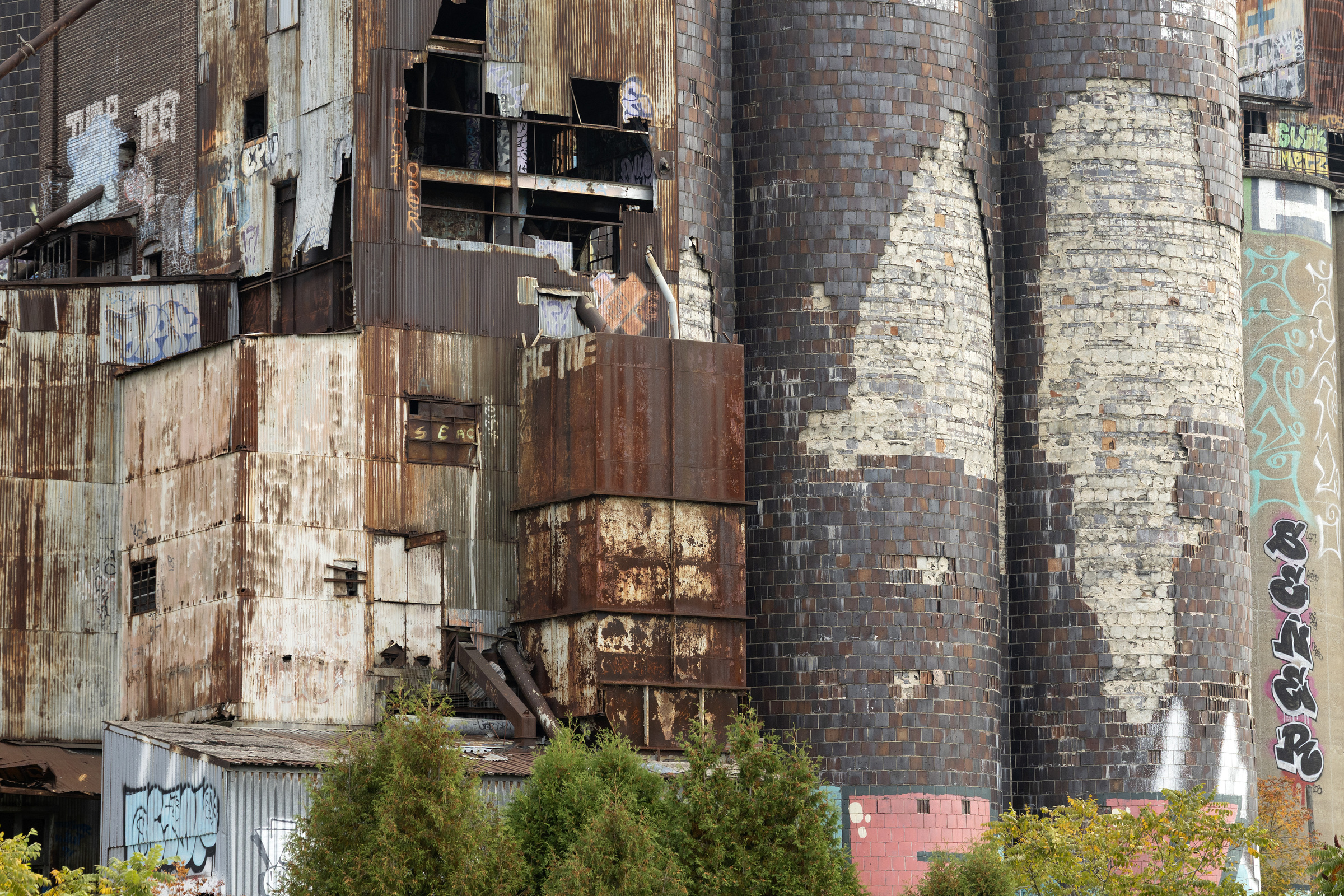 The engineering report deems the overall site to be beyond repair, suggesting its different components and silos should all be razed. Allen McInnis / Montreal Gazette
Noam Schnitzer, who is heading the project, declined an interview request. In a statement, Schnitzer said he understands the “unique place” the site holds in St-Henri and Montreal’s industrial legacy, and is committed to respecting it.
Fournier, the borough mayor, said clear conditions have been set for the site’s development, including it come with a significant proportion of social housing and honour its heritage.
“One thing is certain,” the mayor added. “This iconic site will undergo major transformations in the coming years.”
Editor’s Picks