
(Oct. 2, 2026 / JNS)
For most of the last 13 centuries, the rule for a Jew in the Arab world came down to two words: sit down. Under the dhimmi system, Jews were tolerated so long as they knew their place. They paid a special tax, stepped aside in the street and never raised a hand to defend themselves against a Muslim. My family’s story runs through Beirut, Cairo and Syria, and every branch of it carries some memory of that bargain.
This past week, high over the Saudi desert, aboard an airliner belonging to a Dubai airline, a plane load of Jews refused to sit down.
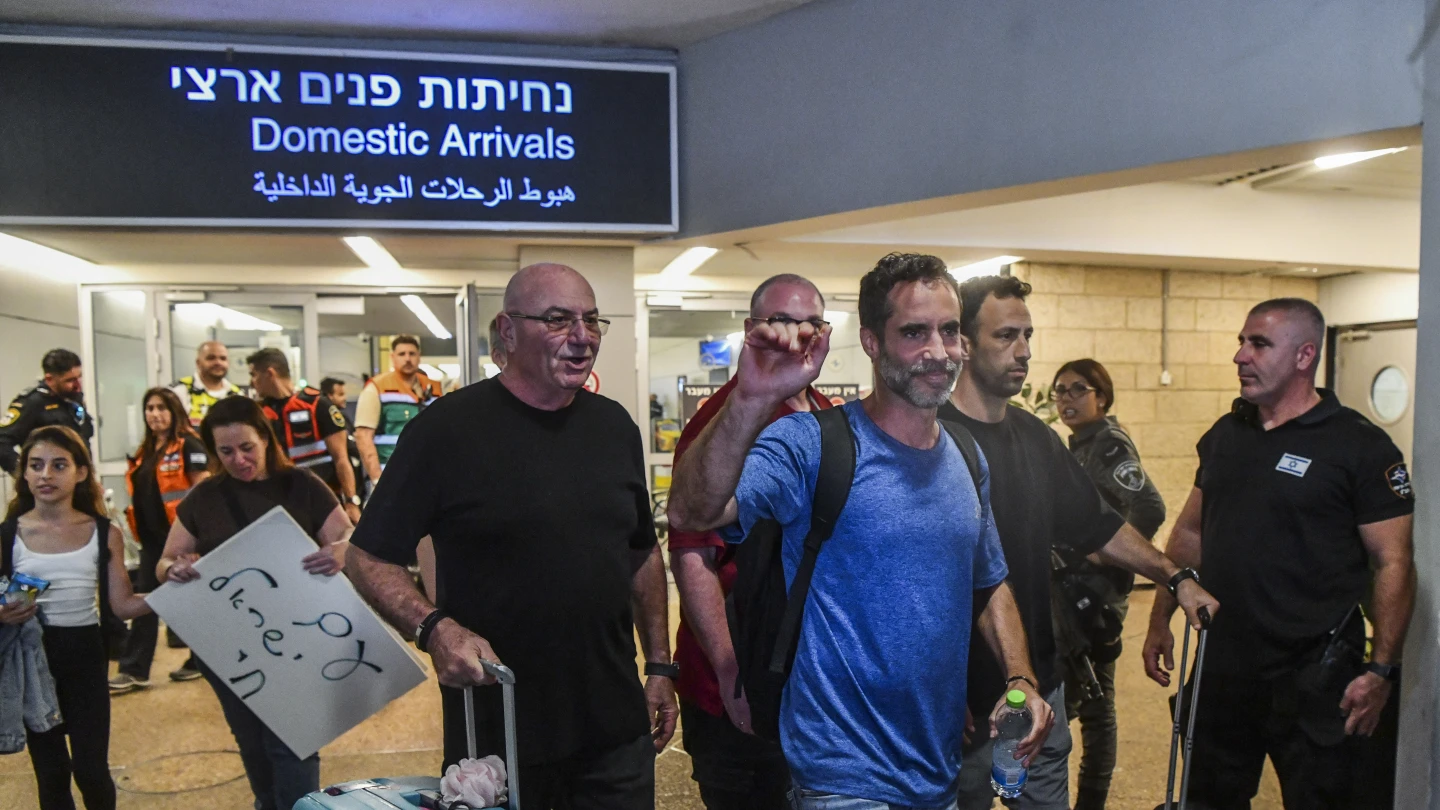
According to reports, flydubai flight FZ1073 left Dubai for Tel Aviv with 174 passengers, 166 of them Israeli. Then, one of the pilots stabbed the other and tried to crash the plane. Passengers near the front heard the struggle, charged the cockpit (which the injured Indian co-pilot managed to open) and subdued him. They brought forward two off-duty pilots who happened to be aboard, and the plane landed safely in Tabuk, Saudi Arabia. Israel is treating the incident as terrorism.
Across the West, we have spent decades training ordinary people to comply: Stay in your seat, don’t be a hero, wait for the professionals.
On Sept. 11, the passengers of United Flight No. 93 had about half an hour to unlearn that lesson, and they paid with their lives. Israelis grow up in a country where most adults have served in the military, children practice running to shelters, and the working assumption is that no one is coming to save you. Those who came to the aid of passengers on Sept. 30 didn’t need half an hour. They needed seconds.
Israel has become too strong, too capable and too useful to ignore.
Now consider the irony that much of the world would prefer to ignore: For years, the fashionable view in Western capitals and on Western campuses has been that Israelis are foreign bodies in the Middle East, colonial intruders who don’t belong there. Just days ago, the people supposedly most out of place in the region saved a Gulf airline’s plane, its crew and every other passenger aboard, in Arab skies.
To its credit, Saudi Arabia let the plane land, cared for the passengers and helped get them home within hours. A generation ago that would have been unthinkable, and it deserves to be acknowledged. But when the Israeli Air Force sought to fly in and bring its own citizens home, the Saudis said no. Within hours, flydubai, whose aircraft had just been saved by Israeli passengers, announced it was suspending its flights to Israel while it investigates.
As a Jew from Arab lands, I recognize this pattern. It is the dhimmi in modern dress. Jews may be rescued. Jews may be hosted, treated kindly, even welcomed as business partners. What they may not do is arrive under their own flag, on their own aircraft, to take care of their own. The old rule survives in the fine print: Be grateful and stay seated.
Here is what the diplomats will not say out loud: Normalization didn’t happen because the region woke up one morning and decided that it liked Jews. It happened because Israel became too strong, too capable and too useful to ignore. In the Middle East, respect follows strength, and the passengers who stormed that cockpit showed more of it in 30 seconds than a decade of peace conferences.
Any future agreement, especially one with Saudi Arabia, should guarantee Israel’s right to retrieve its stranded citizens on its own aircraft. A partnership that cannot survive that request is not yet a partnership.
There is a lesson here for Jews in America, too. On college campuses, and in city streets and in too many boardrooms, Jews are hearing the same advice my ancestors heard in Cairo and Damascus: Keep your head down, don’t make a scene, let someone else handle it. The passengers on flight 1073 offer a better model. They did not ask permission, and they did not wait to be told it was their place to act.
My father, Shlomo Salim Argalgi, was born a Jew in Beirut in 1938. He passed away in May, before he could see what happened this week over the Saudi desert. I believe that he would have understood it instantly because his generation knew exactly what it cost to sit down.
For centuries, the Jews of the Arab world were told to remain in their seats. But just days ago, a plane full of Jews stood up. The rest of us should do the same.