
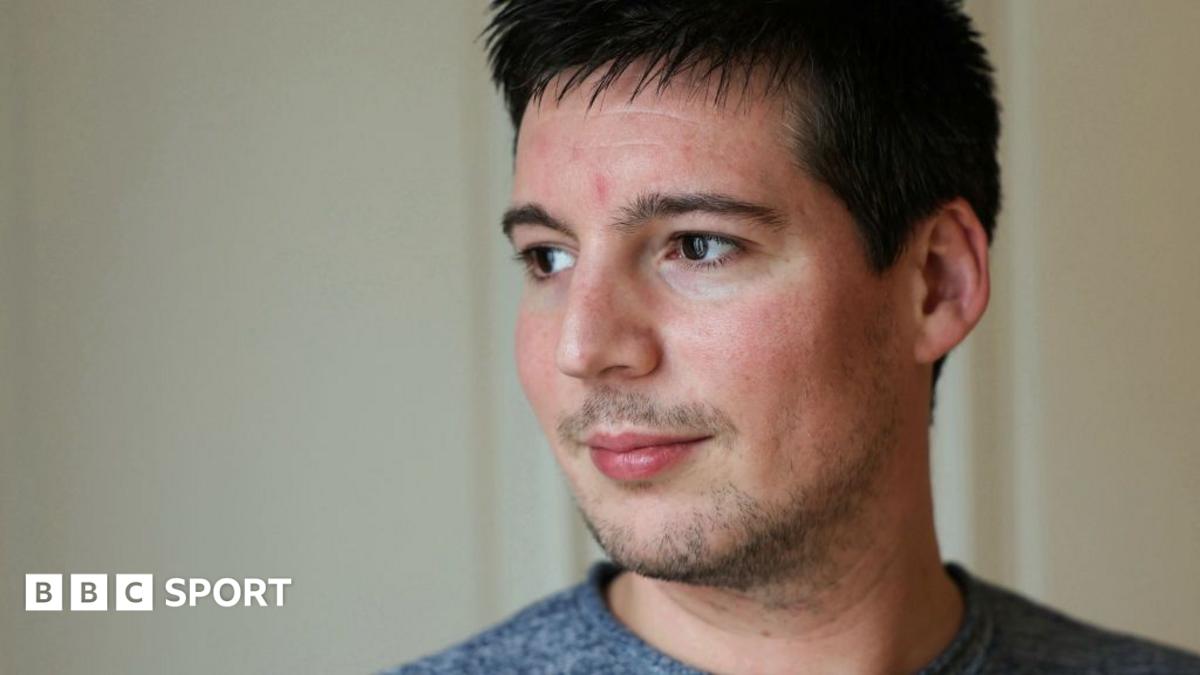
Pinto became part of Portugal’s witness protection programme in 2020 after agreeing to co-operate with authorities and provide files obtained through the Football Leaks operation.
He posted on X on Friday, external that the decision to terminate his participation in the programme on 10 October has put him in a “life-threatening situation”.
The 37-year-old said it had left him with no alternative but to relocate to an undisclosed location for an indefinite period because of “multiple death threats” and “the serious risk of an assassination attempt”.
BBC Sport has approached the Commission for the Protection of Victims of Crimes in Portugal for comment.
Pinto has described himself as a whistleblower, but was convicted in Portugal of offences including illegal access to data and attempted extortion and given a four-year suspended sentence.
He wore a bulletproof vest during his first trial in 2020, which was also subject to heightened security measures.
Earlier this year, he was acquitted in a second trial of 241 counts of illegally accessing email accounts belonging to a number of sports bodies in Portugal, including Benfica.
On Wednesday, Pinto turned his attention to Fifa president Gianni Infantino, saying he had “become a cancer on football” and should “have no place in the future of the game”.
Pinto repeated allegations from 2018 that Infantino intervened to help City and Paris St-Germain avoid financial fair play sanctions from European football’s governing body Uefa.
Infantino’s position has recently come under increased pressure following controversial plans to sell stakes in the governing body’s competitions, such as the World Cup, to private investors.
A statement from Pinto’s lawyers released on Friday said the decision to end his participation in the witness protection programme left him at heightened risk, noting legal proceedings stemming from the leaks remained ongoing, including the case against Manchester City.
Pinto has set up a fundraising page to help him “survive this serious situation”, which he claims was “created by the Portuguese State”.