
(Oct. 5, 2026 / JNS)
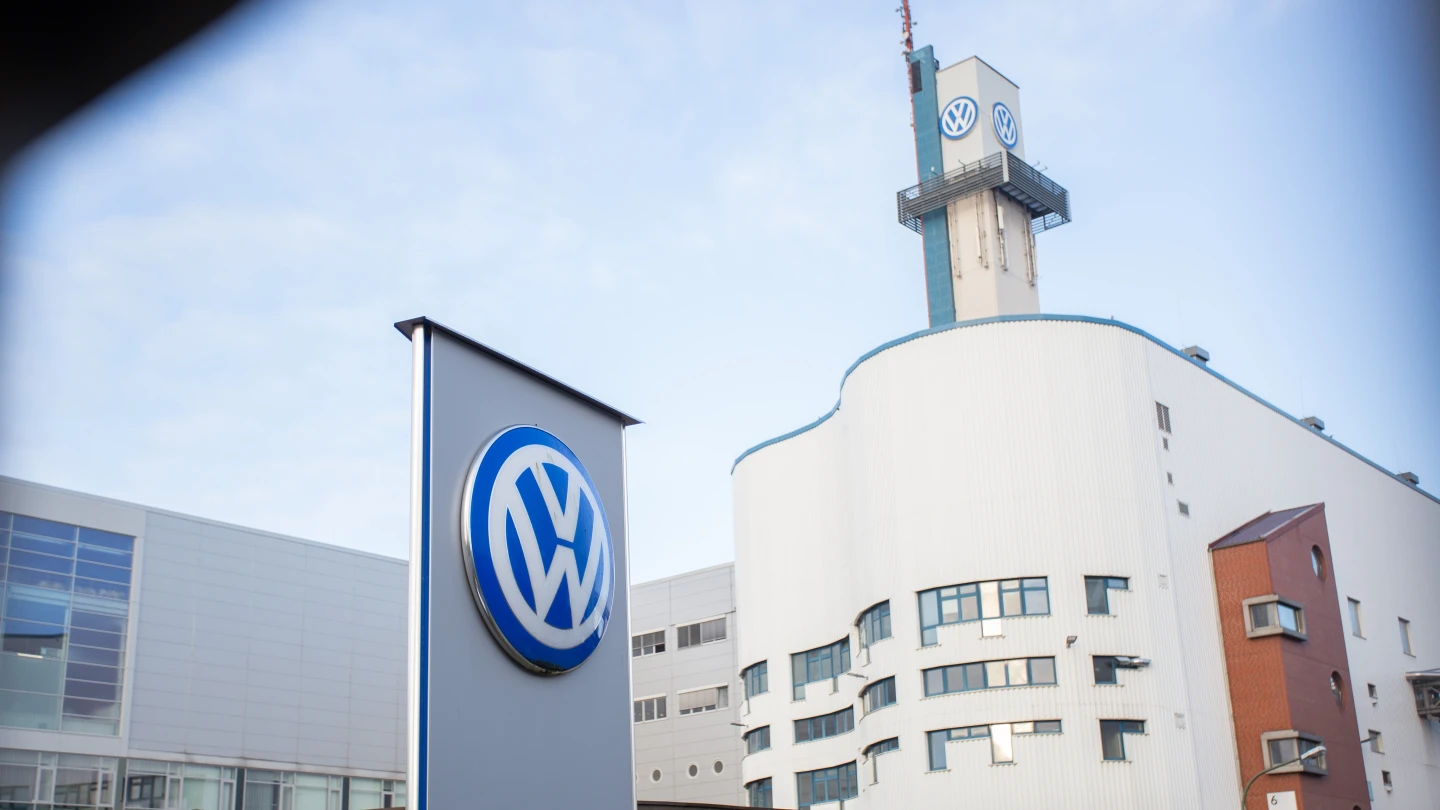
Israeli defense giant Rafael Advanced Defense Systems is set to establish production at a Volkswagen plant in Osnabrück, northwestern Germany, as part of plans to manufacture air-defense components and other military equipment at the site.
The state government of Lower Saxony and Aurelius Capital, a Tel Aviv-based investment firm focused on defense, cybersecurity and AI, have agreed on key terms to purchase Volkswagen Osnabrück GmbH, with Rafael serving as an anchor industrial partner. The deal remains subject to final agreements and regulatory approvals.
Maj. (res.) Raphael BenLevi, a senior fellow at the Misgav Institute for National Security who served for seven years in the IDF Intelligence Branch and the Israeli Air Force, told JNS the deal marks a milestone in Israel’s defense-export relationship with Europe.
“This is a very positive development and there is potential for additional deals of this kind,” BenLevi said.
He added that the deal strengthens Israel’s existing defense ties with Berlin and opens new markets elsewhere on the continent.
“The deal deepens security cooperation with Germany, which is a central partner of Israel in Europe, but it also opens the door to sales with additional European countries in the field of missile defense,” BenLevi said.
The former IDF officer also pointed to a symbolic dimension of the arrangement.
“From a historical perspective, 50 years ago many Jews sought to boycott the Volkswagen company as a German national company, and today Volkswagen is selling its plant to the Israeli Rafael company to manufacture weaponry,” BenLevi said. “This is a sign of how much Israel has grown in strength since then.”
From cars to air defense
The Osnabrück plant first became the focus of a possible Rafael partnership earlier this year, with Reuters reporting in June on discussions about converting the site to defense production.
The report said at the time that Qatar’s stake in Volkswagen was complicating negotiations. The Qatar Investment Authority is one of the German automaker’s major shareholders.
On Sept. 7, Volkswagen, the state of Lower Saxony and Aurelius Capital signed a letter of intent under which Aurelius would take a majority stake and Lower Saxony a minority stake in Volkswagen Osnabrück GmbH. The plant currently employs about 1,800 people, with the proposed deal expected to preserve approximately 1,400 jobs.
As part of the agreement, Aurelius and Lower Saxony separately signed a statement of intent with Rafael to develop the site into what Volkswagen described as a center for security and defense solutions.
The initial focus will be on manufacturing systems and components for air defense for Germany and other European countries.
Lower Saxony Minister-President Olaf Lies said the agreement gave the plant a genuine future.
“Through this Statement of Intent, we are opening up a genuine future perspective for Volkswagen’s Osnabrück site,” Lies said, adding that the agreement “forms part of a broader strategic realignment of the Osnabrück site, which is also supported by Volkswagen AG.”
Rafael President and CEO Yoav Tourgeman said the partnership was intended to establish long-term production in Germany.
“The technology at the heart of this partnership is built for the defense of today, tomorrow, and well beyond,” Tourgeman said. “Today we are building a long-term industrial relationship with our German partners with the idea that the technology will be fully produced in Germany, to protect Germany and Europe.”
Israeli defense sales expand in Europe
Rafael has been expanding its footprint across Europe amid the continent’s rearmament drive following Russia’s invasion of Ukraine.
On Aug. 31, Greece signed an approximately €3 billion ($3.5 billion) agreement with Israel for the Achilles Shield multilayered air-defense system. The package includes Rafael’s David’s Sling and SPYDER systems as well as Israel Aerospace Industries’ BARAK MX and radar systems.
Romania signed a framework agreement worth approximately €2 billion ($2.3 billion) for Rafael’s SPYDER air-defense system in June.
Germany has also significantly expanded its procurement of Israeli defense technology in recent years.
Its acquisition of Israel Aerospace Industries’ Arrow 3 air-defense system, designed to intercept ballistic missiles outside the atmosphere, has grown to more than $6.5 billion following a $3.1 billion expansion signed in January, making it the largest defense export agreement in Israel’s history.
Germany’s ThyssenKrupp Marine Systems also built INS Drakon, Israel’s sixth Dolphin-class submarine, which arrived at Haifa Naval Base on Sept. 24.