

Listen to this article
Estimated 4 minutes
The audio version of this article is generated by AI-based technology. Mispronunciations can occur. We are working with our partners to continually review and improve the results.
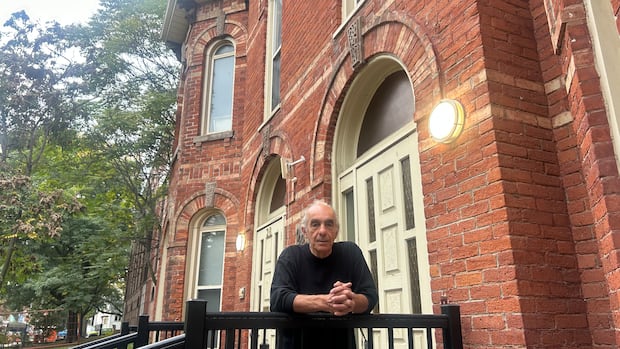
A 145-year-old home near Kensington Market may soon be demolished, despite its status as a listed heritage site, after the building was bought earlier this year by Hydro One.
The house at 28-30 Cecil Street, built in 1881 and listed on the city’s heritage register for 50 years, is adjacent to a Hydro One transformer station, which is scheduled for expansion to meet the city’s burgeoning electricity demands.
“After nearly 50 years of operation, the station requires updated equipment and additional capacity to help maintain reliability and support the city’s growing electricity needs,” the utility company said in a statement to CBC Toronto.
Although Hydro One wouldn’t comment on its plans for the heritage home, in a Sept. 28 letter to the area’s MPP, Jessica Bell, a utility staff person noted: “Hydro One is unable to retain the existing building for its station plans.”
That decision is not sitting well with some of the roughly 20 tenants now facing eviction from the building, or other nearby residents, who maintain demolishing the building will diminish the neighbourhood.
“I want my neighbourhood to have some character to it,” said George Traini, of the Baldwin Village Community Association. “What would at least be the best thing for the neighbourhood is if they kept the facade.”
“Look how beautiful it is.”
Under normal circumstances, homes on the city’s heritage list — often a preliminary step toward full heritage designation — are protected from outright demolition without city council’s approval.
However, under the province’s 2022 More Homes Built Faster Act, municipalities were given a deadline by which they had to promote all listed properties to full heritage designation.
Any that are not moved by Jan. 1, 2027 will be removed from the heritage register all together, leaving them open to development.
Adam Wynne, chair of the Toronto and East York Community Preservation Panel, said he’s “disheartened” by Hydro One’s move to take over the site.
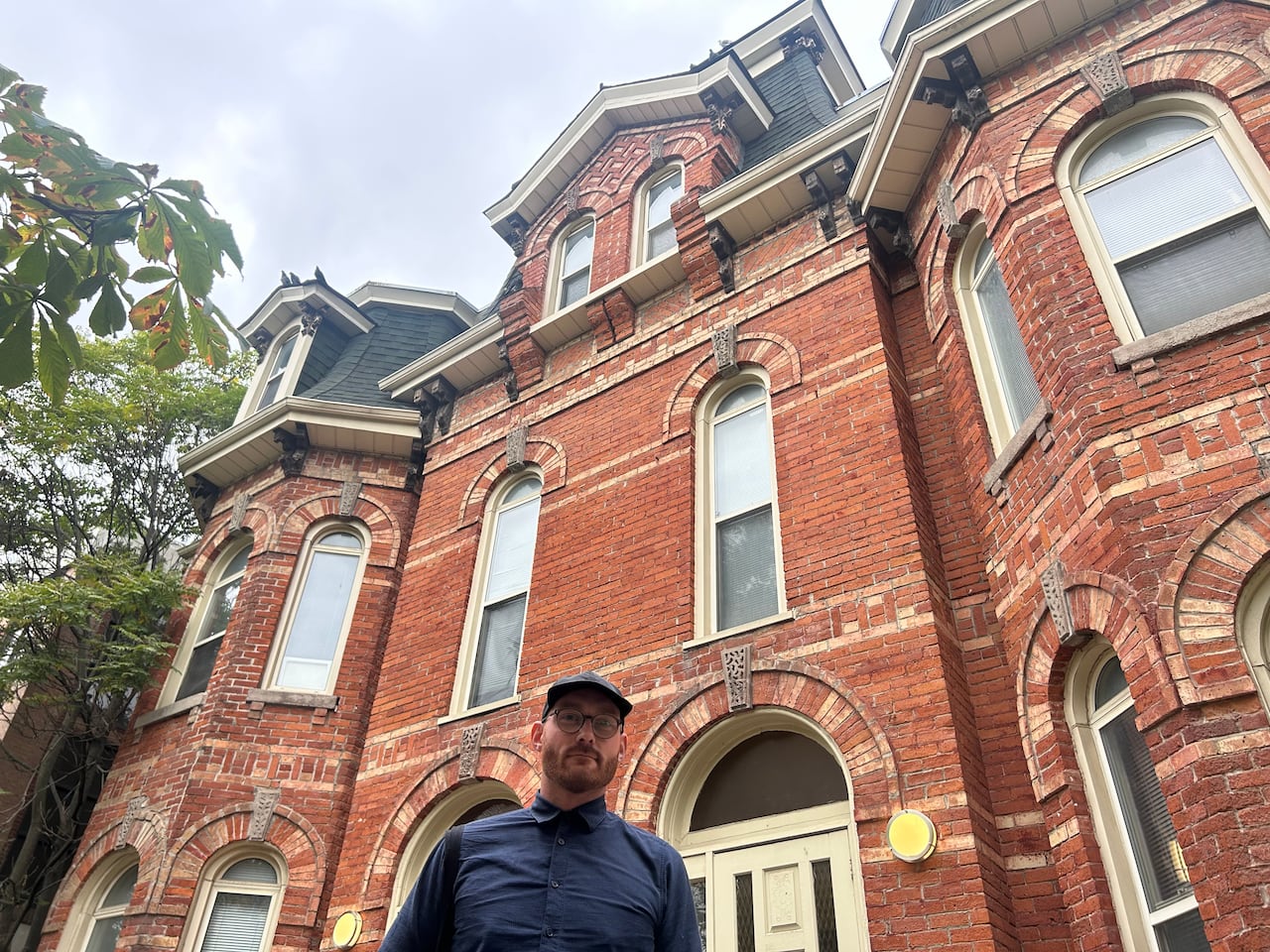 Adam Wynne, chair of the Toronto and East York Community Preservation Panel, says the Cecil Street building is one of at least 3,900 listed heritage sites that could lose their status as of January 1. (Mike Smee/CBC)
Wynne is calling on the province to give municipalities more time to research listed properties and nominate them for full heritage designation.
He said in Toronto there are at least 3,900 listed heritage properties, but the city only has the resources to promote about 100 to 120 of them to full designation before Jan. 1. This is because each property requires months of research, culminating in its own bylaw, which needs to be passed by city council.
However, calls for an extension will likely not be heeded.
The province’s Ministry of Municipal Affairs and Housing said in an email to CBC Toronto last week that in the summer of 2024, the province extended its deadline — from Jan. 1 2025 to Jan. 1 2027 — after pressure from municipalities.
“The January 1, 2027 timeline remains unchanged,” the email reads. “This extension provided municipalities with additional time to identify and designate properties of cultural heritage value under the Ontario Heritage Act … municipalities have had an additional two years to determine which listed properties warrant designation.”
‘This kind of infrastructure is necessary’: MPP
Both 28 and 30 Cecil Street are owned by the same company, JBR Investments Inc., and have been broken up into a series of units, according to its tenants.
One tenant showed CBC Toronto a letter dated Aug. 17 from the building’s owner that gives tenants until Nov. 30 to move out.
MPP Bell said that although she’s concerned about the loss of a heritage building, she understands the need for expanded electricity generation, as demand grows.
“We’re plugging in our electric vehicles, we’re building more condos — this kind of infrastructure is necessary.”
Bell said her biggest concern is the future of the tenants in the building.
“If you get evicted in this kind of hostile housing market, you’re in for a massive economic shock. You can pay upwards of a thousand more in rent,” she said.
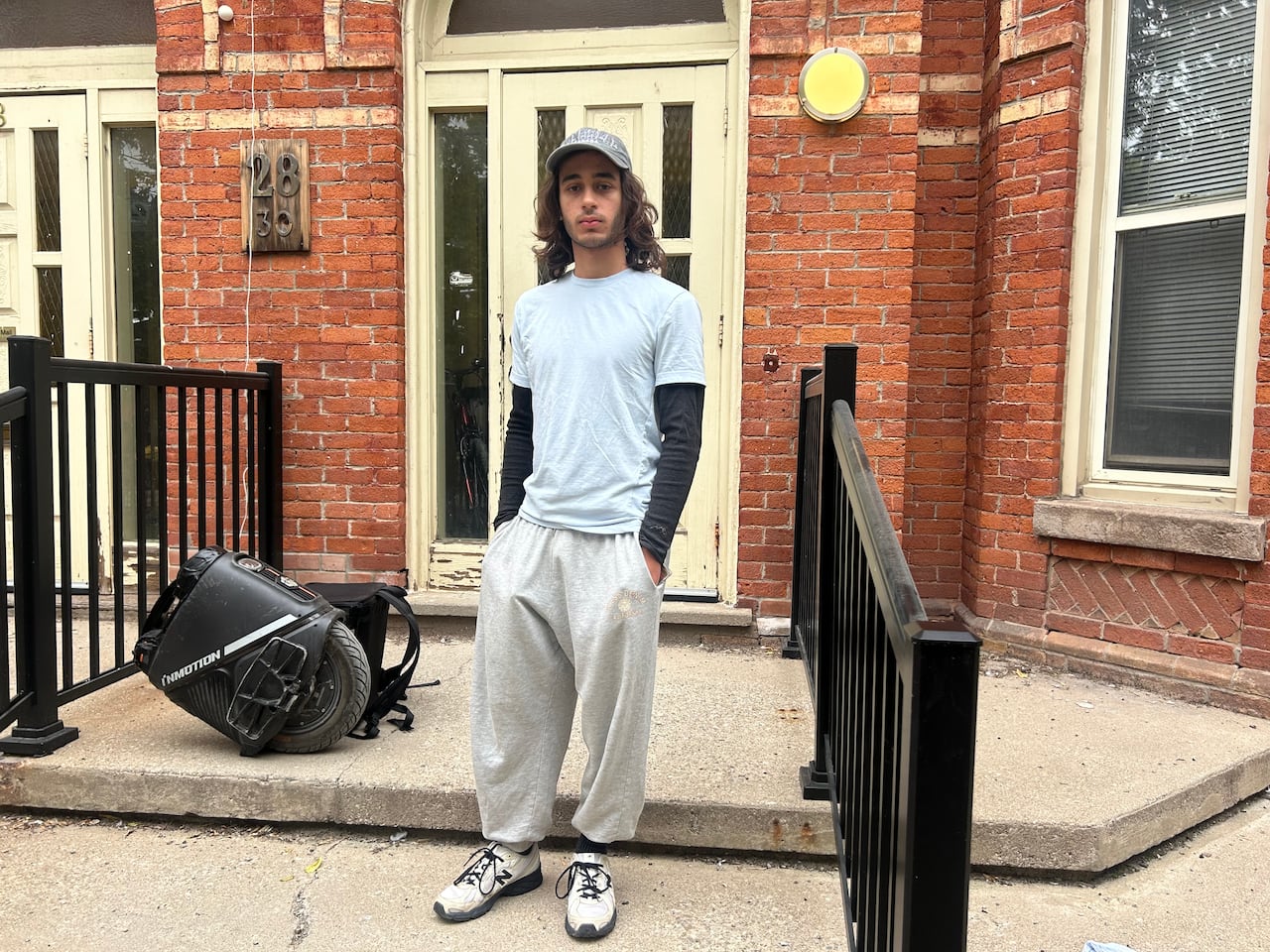 Guiseppe Awada, who has lived in a rented room in the house for about six months, says he was ‘saddened and shocked’ when he learned that he’ll have to move out of the building by Nov. 30. (Mike Smee/CBC)
She said she’s hoping Hydro will compensate the current tenants, who live in rented rooms or small apartments within the building.
Tenant Guiseppe Awada said he’s not sure where he’ll go when eviction day comes, but he’ll be upset to leave the old building where he’s lived for the past six months.
“I was saddened and shocked but I feel like we don’t really have an option, so now we’re forced to just find a random place,” he said.