
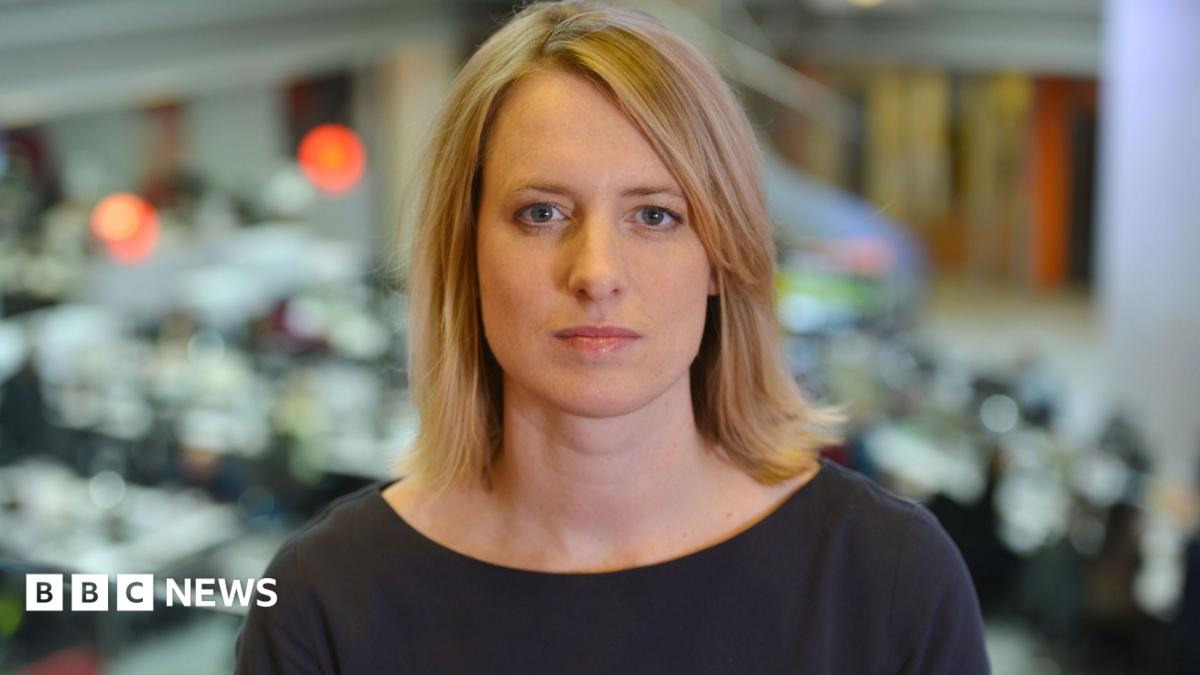
Rachel Jupp has been appointed the new director of BBC News, nearly a year after the previous CEO resigned.
Deborah Turness announced last November that she would step down from the role following the fallout over how Panorama edited a speech by President Trump.
Jupp is a former deputy editor of BBC Two’s Newsnight and has also served as Panorama’s editor, but left several years before the controversial Trump episode aired.
In a statement, Jupp said she was “honoured to be asked to lead BBC News”, while the corporation’s director-general Matt Brittin described her as “an outstanding editorial leader”.
The appointment comes as the BBC continues to make sweeping cuts to its news division. Around 550 job closures have been announced so far, with more expected to follow.
The BBC as a whole will cut between 1,800 and 2,000 jobs – almost one in 10 – in an attempt to save £500m over two years as it faces “significant financial pressures”.
In a statement, Brittin said Jupp was “widely regarded for her news judgement, fairness and high standards”.
“She brings a clarity of vision for the future, and the determined, collaborative approach needed to strengthen BBC News,” he added.
Jupp joined Channel 4 News in 2005 and served as the programme’s head of home news, before moving to the BBC in 2013 to become Newsnight’s deputy editor in 2013.
She became the editor of Panorama in 2016, a position she held for the next four years.
Jupp also served as editorial executive for BBC Content, and more recently has led the BBC’s editorial work on generative AI, based in the US.
In her statement, Jupp said: “I want to champion our vital, independent and impartial journalism, deepen the trust people have in the BBC and meet our audiences wherever they are.
“I’m grateful to Matt for this opportunity, and I’m looking forward to working with our dedicated, brilliant teams across the UK and around the world.”
The BBC’s cuture and media editor Katie Razzall said it was “significant” that Brittin had chosen someone with experience of using artificial intelligence to run his news teams, “raising questions around how AI could open up the next frontier of a modern newsroom”.