
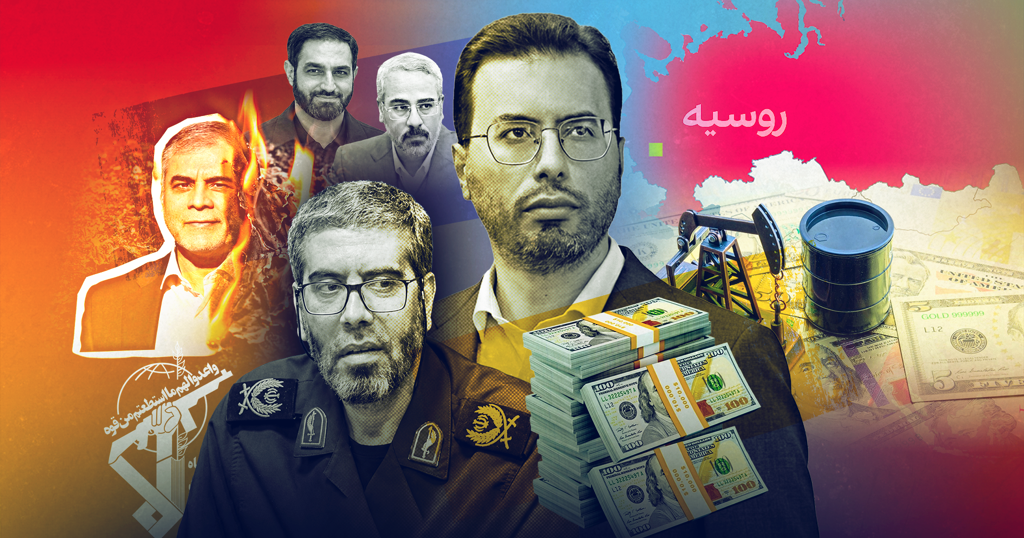
Two informed sources told Iran International that Sadeghi, a senior adviser to the Revolutionary Guards commander-in-chief, and his son were at the center of efforts to shift the mechanism for transferring sanctioned oil revenues from the UAE to Russia.
The sources linked the changes to the departure of Oil Minister Mohsen Paknejad.
On Sunday, the IRGC-affiliated Fars news agency reported that Iran’s Central Bank had found an alternative route to repatriate money held by oil intermediaries trusted by the Islamic Republic, known as “trustees,” and transferred $1.5 billion in Iranian oil revenues through Russia’s banking system.
Hours after the report, Paknejad resigned and President Masoud Pezeshkian accepted his resignation.
The two sources said Paknejad’s removal and the change in the money-transfer route were part of an effort to preserve the IRGC Intelligence Organization’s oil-sales corruption network.
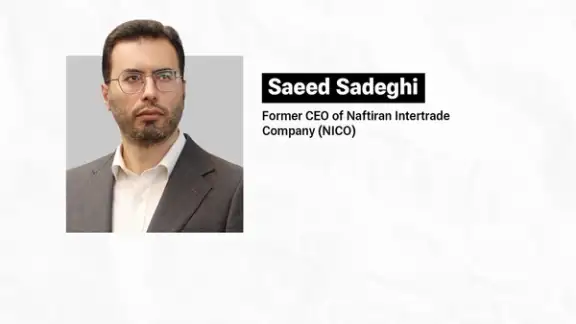
Saeed Sadeghi’s role in Iran’s oil sector
Although Saeed Sadeghi currently holds no official Oil Ministry position, he has for years been a trusted Revolutionary Guards figure in Iran’s oil industry.
During Ebrahim Raisi’s presidency, he became chief executive of Amir Kabir Petrochemical Company. He previously served as deputy for legal affairs and contracts at the oil, gas and petrochemical holding company of the Guards’ Khatam al-Anbiya Construction Headquarters and at Shastan Investment Holding, which is affiliated with the Defense Ministry.
Two months after Pezeshkian took office, Sadeghi was appointed chief executive of Naftiran Intertrade Company (NICO). In September 2025, he was removed just one week after being appointed director of international affairs at the National Iranian Oil Company.
His removal came after it emerged that trustees had failed to return $8 billion in proceeds from oil sales to Iran.
After anti-government protests broke out in January, several establishment figures said economic pressure stemming from corruption among the trustees had caused the unrest.
Mehdi Kharatian, director of the Hayat-e Siasat think tank and an analyst close to the Islamic Republic, compared “the trustees’ failure to return the dollars” to “the pager operation in Iran” during a video podcast.
Iran International’s sources said Sadeghi traveled to Moscow at his father’s request a week before the start of the 40-day war, apparently to avoid possible judicial proceedings.
He remained in Russia until the war ended and worked on moving the financial network used to handle proceeds from sanctioned Iranian oil sales from the UAE to Russia, the sources said.
Shift from UAE to Russia
On June 6, Mohammad Javad Bavand, a former deputy head of the IRGC Intelligence Organization’s economic affairs division, was appointed the oil minister’s special assistant for sales.
Bavand had held the same position under Raisi and previously represented IRGC Intelligence on the Supreme National Security Council committee tasked with circumventing sanctions.
On June 17, Central Bank Governor Abdolnaser Hemmati visited Mir Business Bank in Moscow alongside Iran’s ambassador to Russia.
Bank Melli Iran owns all shares in the bank, which is registered in Moscow and has operated since 2002. Mir Business Bank provides correspondent accounts and services for ruble and foreign-currency transactions, connecting Iranian banks with Russia’s banking network.
The US Treasury sanctioned the bank in 2018 for providing financial services to sanctioned Iranian entities.
Iran International’s sources said proceeds from oil sold by the trustees are to be returned to Iran through Russia’s Mir financial network, which they said replaced SWIFT following US banking sanctions.
IRGC Intelligence builds new network
IRGC Brigadier General Hossein-Reza Sadeghi was tasked with completing the IRGC Intelligence Organization’s network for selling Iranian oil, according to Iran International’s sources.
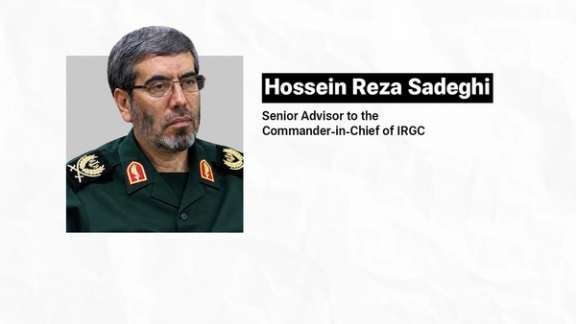
Sadeghi has held senior oversight positions within the Revolutionary Guards, including heading the office responsible for special oversight of IRGC Intelligence on behalf of the Guards’ commander-in-chief. He has also served as deputy coordinator of the IRGC Intelligence Protection Organization.
The sources said the establishment of the IRGC trustee network was approved by Mehdi Sayyari, the new acting head of the IRGC Intelligence Organization.
At the same time, a separate network of oil intermediaries linked to Iran’s Intelligence Ministry, known as Shayan, came under scrutiny by the ministry’s internal security unit. Shayan, the ministry’s director-general for fuel and energy, was subsequently removed from his post.
Previous investigations traced billions in oil proceeds
One week later, Iran International identified nine trustees in the network, including children of senior security figures, among them Ali Rezaei, son of Supreme National Security Council Secretary Mohsen Rezaei.
Members of the network have collectively failed to return $11 billion in proceeds from Iranian oil sales, Iran International’s investigation found.
Two weeks later, Iran International published two confidential documents showing that Mohammad Javad Bavand, an IRGC-linked official in the Oil Ministry, had assigned the sale of 86 million barrels of Iranian oil to four trustees who already owed money from previous sales.
Iran International’s sources said that after the reports were published, IRGC commander Abdollah Zeighami, also known as Moshfegh and deputy head of the Revolutionary Guards’ media headquarters, held a confidential meeting with Bavand and Mostafa Ahadi, a former deputy for economic affairs at IRGC Intelligence who now serves as deputy head of Unit 600 of the IRGC Intelligence Organization.
The sources said the meeting focused on suppressing reporting about corruption involving IRGC-linked oil trustees.
Iran International’s sources said Sunday’s transfer of $1.5 billion in oil proceeds from Russia to Iran marked the completion of the Revolutionary Guards’ project.
Paknejad resigned hours later.
The sources said Paknejad had himself played a central role in establishing oil-sales corruption networks involving two of the Islamic Republic’s security agencies. He was removed after the new IRGC Intelligence network had been completed, while all the trustees remained free.